Senate bill targeting Russian oil imports grants Trump new tariff powers
A new bipartisan Senate bill aims to weaken Russia's war efforts by authorizing up to 100% tariffs on top importers of its energy and mandating sectoral sanctions. The proposal, supported by President Trump, targets Russia's defense, financial, and energy industries.
- Core Development: A new bipartisan Senate bill aims to weaken Russia's war efforts by authorizing up to 100% tariffs on top importers of its energy and mandating sectoral sanctions. The proposal, supported by President Trump, targets Russia's defense, financial, and energy industries.
- Beat Context: Categorized under World with independent corroboration.
- Reporting Depth: 3 minute analytical read synthesized from verified newsroom sources.
A bipartisan group of US senators introduced a sweeping sanctions package on Tuesday, 14 July 2026, aimed at dismantling the financial underpinnings of Russia's war in Ukraine. The legislation, which arrives in the wake of the sudden death of South Carolina Senator Lindsey Graham, seeks to codify a new era of economic statecraft by authorizing the president to impose tariffs of up to 100% on the world’s five largest purchasers of Russian oil and natural gas.
The bill is a notable departure from earlier legislative efforts, scaling back a previous proposal that had sought tariffs as high as 500%. Lawmakers identified China, India, Slovakia, Hungary, and Azerbaijan as the primary targets of the new tariff provisions. Under the proposed measure, the Office of the United States Trade Representative would be empowered to determine specific tariff rates, though sponsors indicated the goal is to set these levels high enough to aggressively discourage further reliance on Russian energy.
Media additions
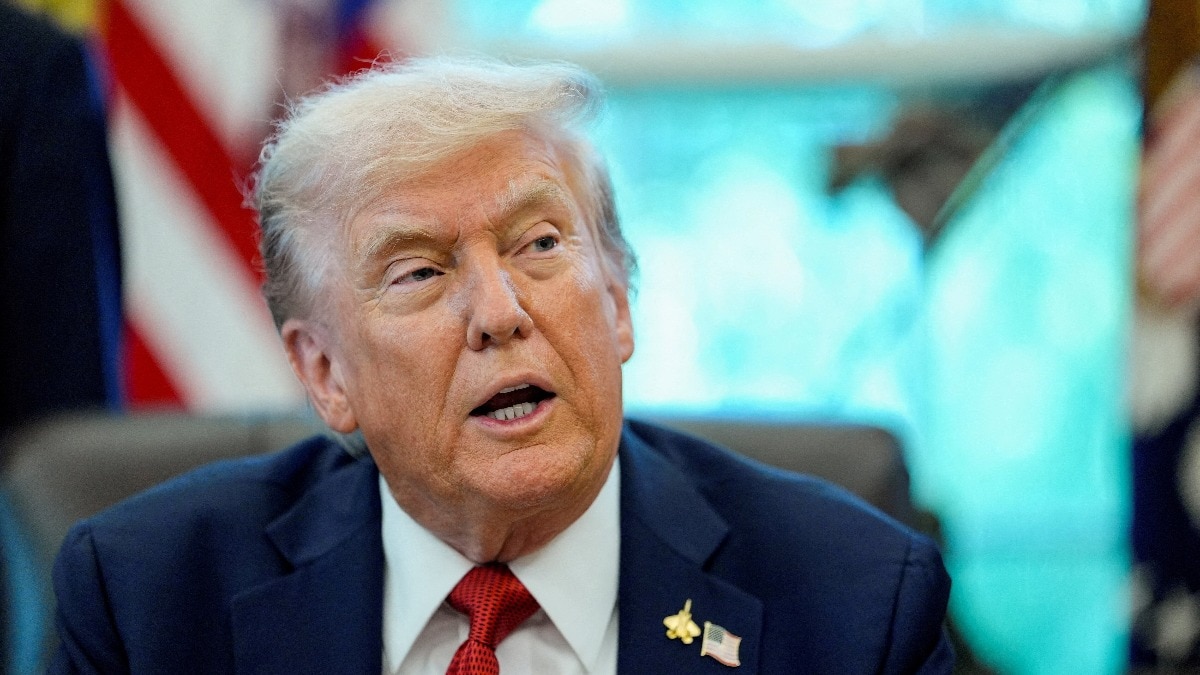

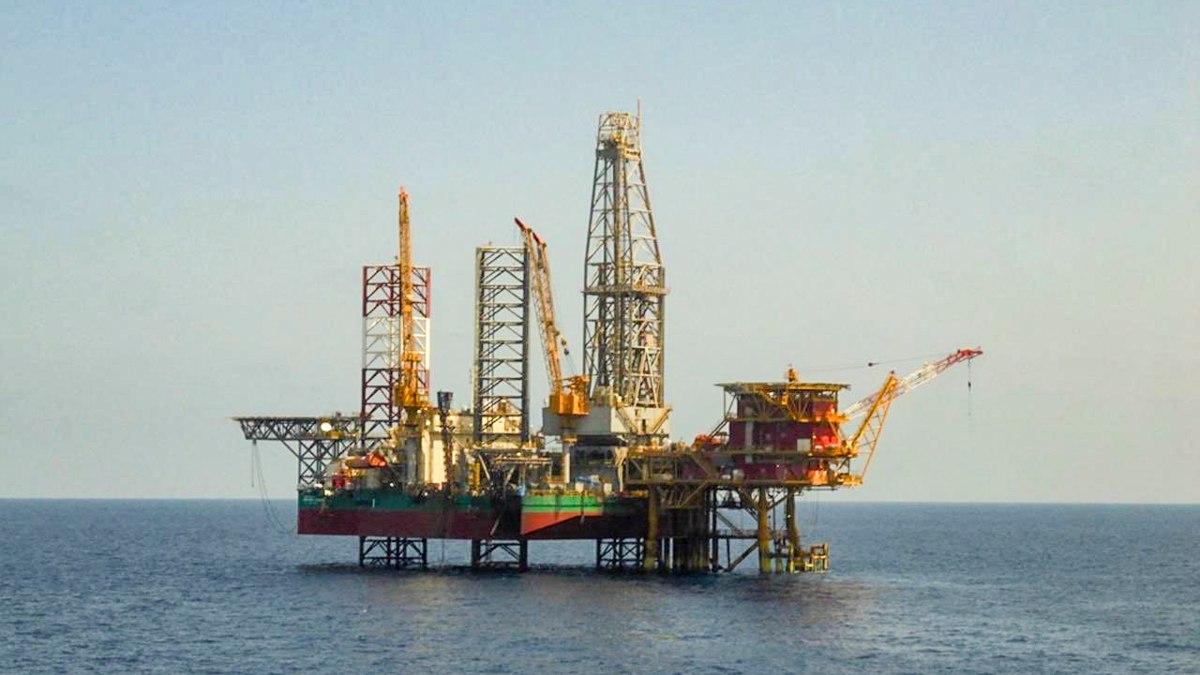
The legislation represents the culmination of nearly two years of negotiations between Senate leadership, Democratic and Republican sponsors, and the White House. Senator Richard Blumenthal of Connecticut, who partnered with the late Senator Graham on the bill, characterized the measure as a critical tool to squeeze the Russian war machine.
"It's been referred to as a tariffs bill, but actually it imposes full blocking sanctions on wide swaths of the Russian economy, including its energy industry, financial industry, defence industrial base, oligarchs, business people, and Vladimir Putin himself."
Richard Blumenthal, US Senator, via Yahoo News
Beyond the tariff authority, the bill mandates sanctions against Russia's energy, defense, and financial sectors, as well as its "shadow fleet" of tankers used to bypass international shipping restrictions. A specific carve-out exists for 15 European countries that rely on Russian natural gas, provided they import less than 15% of their total supply and can demonstrate active efforts to reduce that dependency.
Impact on Trade Relations
The proposal introduces significant volatility into the current trade climate, particularly for India. According to data from the Centre for Research on Energy and Clean Air, Indian imports of Russian crude reached record levels in June 2026. This dependency now sits in direct tension with the new legislative threat, especially as the US-India trade relationship remains in a state of delicate negotiation. A temporary 15% tariff currently applied to Indian goods is set to expire on 24 July 2026, leaving observers in New Delhi and Washington closely watching for any signal that trade penalties might be linked to energy policy.
The Legislative Path
The measure is now tethered to the legacy of Senator Graham, whose colleagues described the bill as the defining achievement of his career. Senate Majority Leader John Thune has expressed optimism regarding a path forward, though the bill must first clear procedural hurdles in the Senate before facing a potentially skeptical House of Representatives. President Trump has signaled his support for the proposal, describing it as having a "good chance" of passage, though he has suggested expanding the scope to include specific sanctions against Iran and Hezbollah.
As lawmakers weigh these competing pressures, they are working against a timeline that prioritizes the impact on the war in Ukraine. Senator Jeanne Shaheen emphasized that the current legislative window is narrow, warning that as long as Moscow can fund its military through energy exports, the conflict could be sustained indefinitely. With the next potential legislative action looming before the end of August, the focus remains on whether Congress can finalize a package that balances long-term strategic goals with the immediate realities of global energy security.
What to Watch
- 24 July 2026: Expiration of the existing temporary 15% tariff on Indian imports, a key stress point for current trade discussions.
- House Floor Action: The bill faces potential resistance from House members concerned about the expansion of executive tariff authority.
- White House Waiver Usage: Despite the bill's mandatory language, the president retains authority to waive sanctions, a point of contention for both supporters and critics.
- Ongoing Energy Shifts: Regional instability in the Middle East continues to dictate the global oil market, complicating efforts to move away from Russian supply chains.
How significant is this development?
Contribute your assessment to the aggregated reader sentiment ledger.
Frequently Asked Questions
Key questions answered in this reportWhat is the key development in: Senate bill targeting Russian oil imports grants Trump new tariff powers?
A new bipartisan Senate bill aims to weaken Russia's war efforts by authorizing up to 100% tariffs on top importers of its energy and mandating sectoral sanctions. The proposal, supported by President Trump, targets Russia's defense, financial, and energy industries.
Why is this World development significant for the UK?
This report covers critical events in our World beat. Independent reporting monitors related UK statements, regulatory shifts, and public responses as further verified details emerge.
How was this reporting corroborated and verified?
Newsarchy UK compiles and cross-references reporting from primary reporting from livemint.com and cross-checked wire reports. All coverage adheres to published editorial standards.
When was this report published?
This briefing was published on July 16, 2026 and is permanently cataloged in the Newsarchy UK World archives.