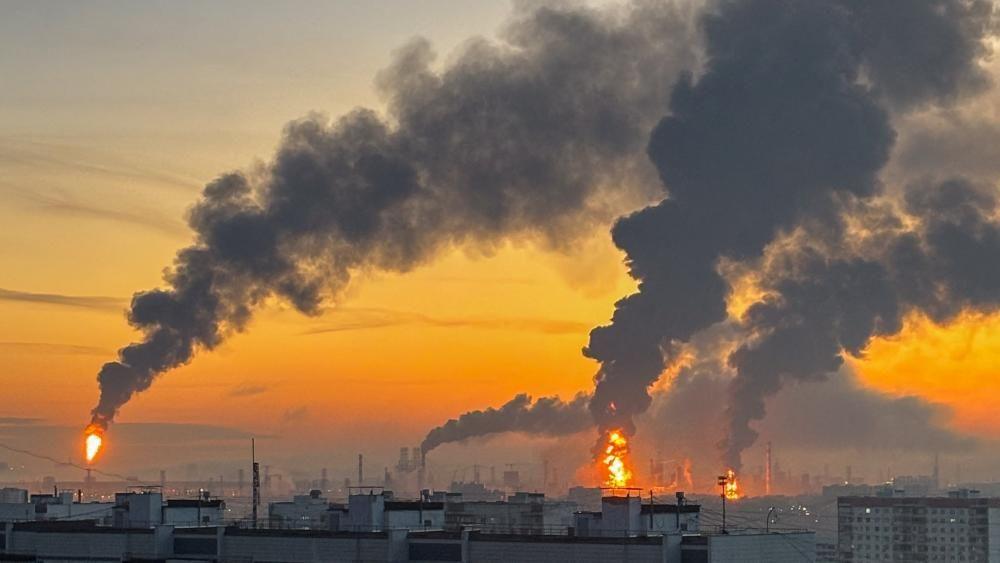
Seoul records hottest August day, outpacing Tokyo, Taipei and Bangkok
Seoul logged a daytime high of 36.7 °C on August 5, topping Tokyo, Taipei, and Bangkok during a severe seasonal heat wave.
- Core Development: Seoul logged a daytime high of 36.7 °C on August 5, topping Tokyo, Taipei, and Bangkok during a severe seasonal heat wave.
- Beat Context: Categorized under World with independent corroboration.
- Reporting Depth: 3 minute analytical read synthesized from verified newsroom sources.
Seoul swelters above its Asian peers as August 5 marks the city’s hottest day of the season
On August 5 Seoul logged a daytime high of 36.7 °C, topping Tokyo’s 30.9 °C, Taipei’s 36.2 °C and Bangkok’s 34.2 °C. The overnight low of 29 °C also eclipsed the other capitals. Meteorologists say the heat dome, driven by overlapping Tibetan and North Pacific high‑pressure systems, is intensifying the Korean peninsula’s summer, a development that could stretch public services, energy demand and regional supply chains through the rest of the month.
Lee Sang‑ki of AJA Newsbites noted that the foehn effect – warm easterly winds accelerated over the Taebaek range – is adding extra degrees to the capital’s already oppressive humidity, which hit 95 % in Yongsan early this morning. “Unlike coastal cities cooled by sea breezes, clouds and showers, Seoul has had little relief,” he wrote.
The Korea Meteorological Administration (KMA) forecast a high of 39 °C on August 6 and warned that temperatures between 36 °C and 38 °C would likely persist through August 15. The agency’s outlook raises concerns about heat‑related health incidents, especially for vulnerable groups, and may force municipal authorities to extend cooling‑center hours and adjust outdoor work schedules.
How Seoul’s heat compares with its regional rivals
| City | Daytime high (°C) | Overnight low (°C) |
|---|---|---|
| Seoul | 36.7 | 29 |
| Taipei | 36.2 | – |
| Bangkok | 34.2 | – |
| Tokyo | 30.9 | – |
The table underscores that Seoul’s peak not only eclipsed the traditionally sweltering tropical capitals of Taipei and Bangkok but also outpaced the temperate outskirts of Tokyo, where sea breezes normally moderate summer heat.
Beyond the immediate discomfort, the heat wave intersects with broader economic signals from the region. Canada Packers Inc., a major North‑American pork processor, released its second‑quarter 2026 results on August 5, highlighting a “lower pork cutout” as a key factor in a sales decline of 8.8 % to $431.7 million. The company also cited a weaker Japanese yen as a drag on revenue. While the report does not link the cutout to weather, the timing aligns with the Asian heat dome that can strain livestock feed supplies and raise feed‑lot temperatures, issues that industry analysts routinely monitor.
Dennis Organ, President and CEO of Canada Packers, said the company’s “disciplined execution … helped offset softer year‑over‑year comparables.” He also noted that “premium, valued added product mix” supported cash flow despite “challenging market conditions.” The remark suggests that the firm’s resilience may hinge on product diversification—a strategy potentially relevant for Korean meat producers facing heat‑induced stress on pork inventories.
Key take‑aways for policymakers and businesses
- Seoul’s heat dome is forecast to linger until mid‑August, urging the KMA to issue ongoing heat‑health advisories.
- Energy providers should anticipate heightened electricity demand for air‑conditioning, especially in high‑density districts.
- Agricultural sectors across East Asia may confront feed‑cost pressures, as hotter temperatures raise water and grain consumption for livestock.
- Export‑oriented meat processors, such as Canada Packers, are already reporting lower pork cutout, a metric that could be sensitive to regional climate swings.
What to watch next
• August 7‑15: KMA updates on heat‑wave intensity and any changes to public‑health advisories.
• Late August: Early‑quarter earnings from Asian meat and grain companies, which may reveal whether the heat is affecting supply chains.
• September 30: Canada Packers’ dividend payout, a marker of the firm’s confidence in its cash‑flow position amid volatile commodity markets.
• October 1: Publication of the El Niño‑strengthening forecast, which could contextualise the summer’s extreme temperatures within a longer‑term climate trend.
How significant is this development?
Contribute your assessment to the aggregated reader sentiment ledger.
Frequently Asked Questions
Key questions answered in this reportWhat is the key development in: Seoul records hottest August day, outpacing Tokyo, Taipei and Bangkok?
Seoul logged a daytime high of 36.7 °C on August 5, topping Tokyo, Taipei, and Bangkok during a severe seasonal heat wave.
Why is this World development significant for the UK?
This report covers critical events in our World beat. Independent reporting monitors related UK statements, regulatory shifts, and public responses as further verified details emerge.
How was this reporting corroborated and verified?
Newsarchy UK compiles and cross-references reporting from primary reporting from theasian.asia and cross-checked wire reports. All coverage adheres to published editorial standards.
When was this report published?
This briefing was published on August 6, 2026 and is permanently cataloged in the Newsarchy UK World archives.