Spain deploys military to Ceuta after thousands of people breach Morocco's border
Spain deployed armed forces and extra police to Ceuta after tens of thousands of migrants breached the border from Morocco, sparking a humanitarian crisis.

- Core Development: Spain deployed armed forces and extra police to Ceuta after tens of thousands of migrants breached the border from Morocco, sparking a humanitarian crisis.
- Beat Context: Categorized under World with independent corroboration.
- Reporting Depth: 3 minute analytical read synthesized from verified newsroom sources.
Spain deployed its armed forces and additional police to restore order following a massive migration surge that saw tens of thousands of people breach the frontier from Morocco into the tiny North African enclave of Ceuta, according to reports. The sudden influx overwhelmed local infrastructure, leading to a profound humanitarian crisis as officials grappled with the chaos on the Strait of Gibraltar.
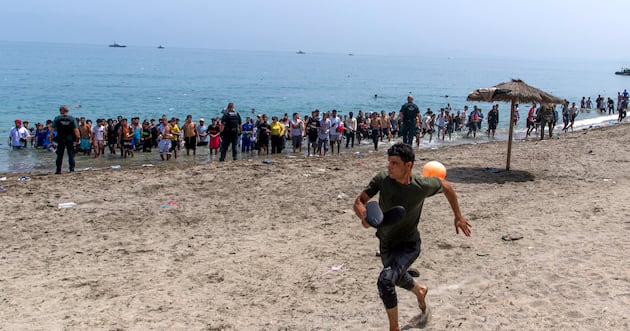
About 60,000 migrants crossed from Morocco into Spain's tiny Ceuta territory in the past 24 hours, Ceuta's president said Friday, a figure equivalent to 70 percent of the population of the city in North Africa, while the Spanish Interior Ministry estimated arrivals closer to 50,000. Victims drowned or were killed in a stampede at a breakwater fence near Tarajal Beach, an urban beach near a border checkpoint, where waters were left littered with abandoned shoes and buoys.
Media additions
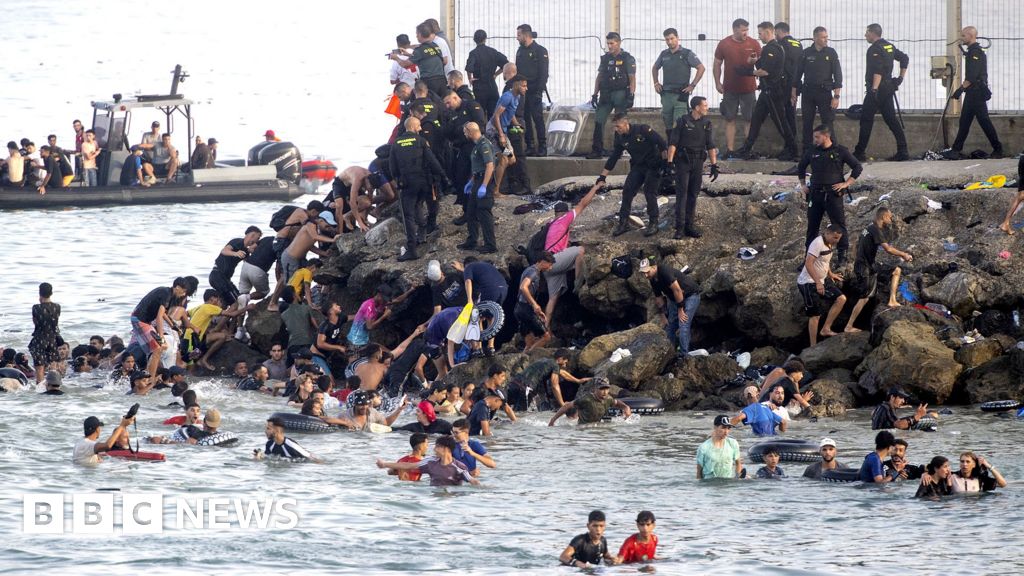
Spanish Prime Minister Pedro Sánchez visited the territory on Friday and condemned the breach as a violation of Spain's territorial integrity. Sánchez blamed human trafficking networks for deliberately misinterpreting a recent Spanish Supreme Court ruling — which stated that migrants arriving by sea could not be summarily deported — and spreading the false interpretation through social media networks and trafficking organizations to trigger the rush. However, local activists in Morocco expressed doubt that the legal ruling was the immediate cause, suggesting most individuals would not have known about the decision. Meanwhile, some activists and rights groups noted that Moroccan police used water cannons, tear gas, and warning shots to manage the crowds, while Moroccan ambassador Karima Benyaich stated that the events unfolded against the North African nation's wishes.
The sudden crisis triggered widespread international fallout across Europe and beyond. Italy temporarily suspended the open-border Schengen agreement with Spain by re-imposing border controls for air and sea travel, a move described by Italian Prime Minister Giorgia Meloni as a necessary security measure against uncontrolled immigration. France similarly announced plans to strengthen its border checks with Spain. European Commission President Ursula von der Leyen called the images from Ceuta unacceptable and insisted that dangerous crossings must stop immediately.
Amid the disorder, thousands of migrants, including unaccompanied minors, families with women and children, and babies, were left sleeping in parks, on sidewalks, and wandering through empty streets as local stores closed their doors. Yet, many of those who crossed quickly opted to turn back. By Friday evening, Spanish officials reported that more than 48,000 migrants had voluntarily returned to Morocco, with departures continuing as many realized economic opportunities were absent.
Migrants from Morocco also attempted to cross into Melilla, Spain's other territory at the tip of North Africa, where between 300 to 400 crossings were reported overnight. In the Moroccan town of Bni Nsar bordering Melilla, migrants clashed with police, throwing rocks and setting police vehicles ablaze, resulting in injuries among security forces and dozens of arrests.
Key Developments in the Ceuta Border Crisis
- Roughly 60,000 migrants arrived in Ceuta within a 24-hour period, according to local leadership figures, while the Spanish Interior Ministry estimated arrivals closer to 50,000.
- Spain deployed its military and additional police forces to Ceuta and its sister enclave Melilla to restore order.
- Italy and France moved to tighten border controls and suspend open-border arrangements regarding travel from Spain.
- More than 48,000 individuals voluntarily returned to Morocco by Friday evening as local chaos persisted.
Spanish authorities and international partners continue to monitor the border zone as security forces work to stabilise the enclave and coordinate swift returns under European Union rules.
How significant is this development?
Contribute your assessment to the aggregated reader sentiment ledger.
Frequently Asked Questions
Key questions answered in this reportWhat is the key development in: Spain deploys military to Ceuta after thousands of people breach Morocco's border?
Spain deployed armed forces and extra police to Ceuta after tens of thousands of migrants breached the border from Morocco, sparking a humanitarian crisis.
Why is this World development significant for the UK?
This report covers critical events in our World beat. Independent reporting monitors related UK statements, regulatory shifts, and public responses as further verified details emerge.
How was this reporting corroborated and verified?
Newsarchy UK compiles and cross-references reporting from primary reporting from apnews.com and cross-checked wire reports. All coverage adheres to published editorial standards.
When was this report published?
This briefing was published on July 31, 2026 and is permanently cataloged in the Newsarchy UK World archives.