Spain imposes border controls on Italy amid migration row over Ceuta
Spain has enacted strict border checks on air and sea travel from Italy, escalating a diplomatic dispute over migration following a mass influx into Ceuta.
- Core Development: Spain has enacted strict border checks on air and sea travel from Italy, escalating a diplomatic dispute over migration following a mass influx into Ceuta.
- Beat Context: Categorized under World with independent corroboration.
- Reporting Depth: 4 minute analytical read synthesized from verified newsroom sources.
Spain has implemented strict border controls on all air and sea travel arriving from Italy, marking a sharp and sudden escalation in a diplomatic dispute between the two European Union nations. The retaliatory measures began at midnight, corresponding to 22:00 GMT, and are scheduled to remain in place until September 7. According to an official government statement, the counter-steps were enacted in response to persistent irregular migratory pressure, requiring passport, nationality, and visa checks for Italian passengers and visitors from other countries travelling from Italy.
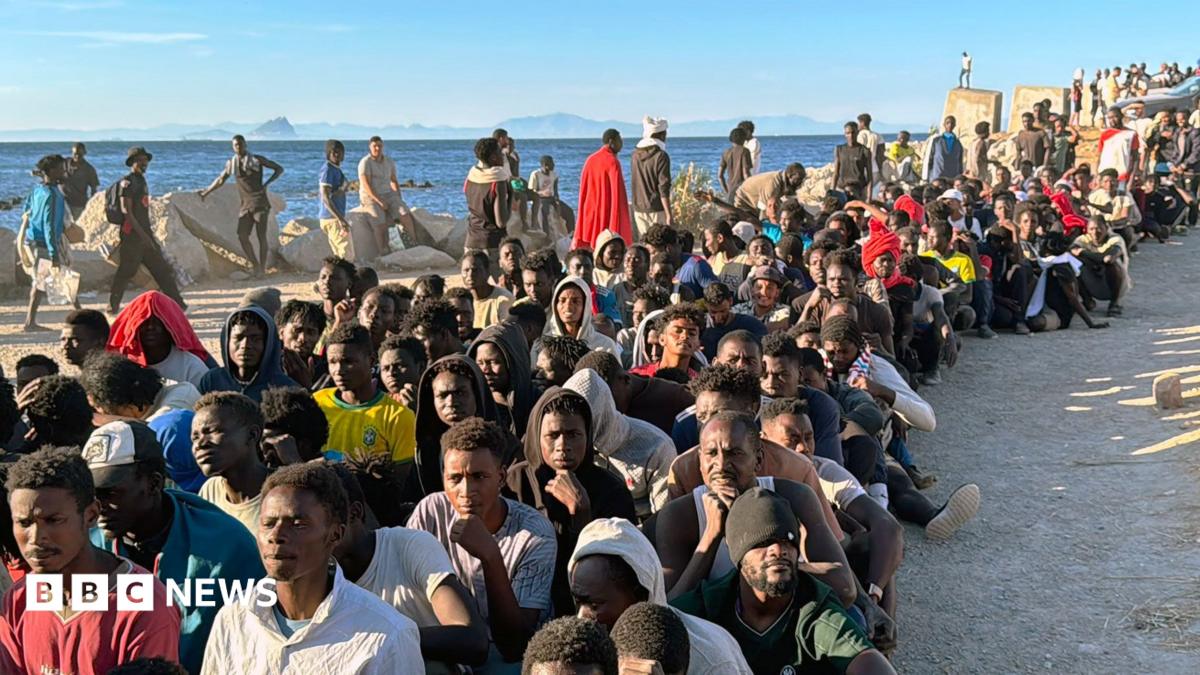
The countermeasures arrive on the heels of a political crisis that has pitted Spain's socialist leader Pedro Sanchez against Italy's conservative leader Giorgia Meloni. The cross-border tension ignited after Italy instituted its own border restrictions a week prior. That decision followed a massive migrant influx involving approximately 78,000 individuals crossing from Morocco into the Spanish exclave of Ceuta. Hundreds of migrants were subsequently pictured lined up on a beach in Ceuta to collect aid, while thousands more had entered on July 30. Although Italy does not share a land border with Spain, Rome defended its temporary suspension of the border-free Schengen arrangement by arguing it was necessary to prevent any migrants who entered Ceuta from travelling onward to Italian territory.
Media additions
Madrid swiftly dismissed Rome's position. Spanish officials characterized the justification as relying on spurious arguments that lacked any factual basis, noting that the migrants who entered Ceuta had no way of entering the wider Schengen area. The diplomatic friction intensified when Spain demanded that Italy reverse its border checks by Sunday. Rome pushed back forcefully against the pressure, declaring that the Italian government would not accept ultimatums. Italian authorities maintained that the border suspensions would remain active until at least August 15—when Rome claimed Spain expects a new wave of migration to hit Ceuta—and in any case until security and terrorist risks for Italy are completely eliminated.
While Italian officials insisted that local authorities carrying out the checks are doing everything possible to ensure maximum comfort for both Spanish and other European citizens, the practical fallout has created logistical hurdles. Rome reiterated that Spanish citizens are exempt from the additional checks, which specifically target non-EU residents. Even so, reports from El Pais indicated that several airport terminals have experienced long queues and waiting times in recent days, with passengers arriving from Spain directed to specific lines for screening.
The wider European political landscape has fractured over the incident. Italy's decision to suspend the Schengen agreement for a month earned explicit backing from Finland and Denmark, while the Czech Republic called for Spain's membership to be temporarily suspended. Temporary suspensions of the Schengen pact are not entirely unprecedented within the bloc, as Italy already maintains similar controls along its border with Slovenia.
The root causes of the initial surge into Ceuta remain subject to competing narratives and deep diplomatic sensitivities. Most of the migrants who arrived during the peak of the influx were returned within days, but nearly 1,400 minors, including very young boys and girls, still remain in the exclave. The mass crossings occurred directly after Spain's Supreme Court ruled that migrants stopped at sea while trying to reach Ceuta or Melilla cannot be summarily returned to Morocco. Blame for the collapse of border deterrence has been distributed across multiple capitals. An unnamed Moroccan government source briefed local outlets, stating that the deterrent element of the system collapsed and the dam gave way not under the weight of criminals, but because of a judge's decision. Conversely, EU Migration Commissioner Magnus Brunner and the Spanish government pointed the finger at criminal networks spreading online disinformation.
The massive number of people swimming to Ceuta at once also raised immediate questions about why Moroccan border guards did not attempt to stop them. Furthermore, the two Spanish exclaves have long served as a bone of diplomatic contention between Spain and Morocco, given that Morocco does not recognize Spanish sovereignty over them. Regarding future threats, Spain has not officially announced an anticipated second wave of crossings from Morocco, though reports have been fueled by social media activity involving Moroccan users planning another attempt. The Spanish prime minister's office told El Pais that officials are closely monitoring the situation but do not expect a repeat of the chaotic scenes witnessed previously.
How significant is this development?
Contribute your assessment to the aggregated reader sentiment ledger.
Frequently Asked Questions
Key questions answered in this reportWhat is the key development in: Spain imposes border controls on Italy amid migration row over Ceuta?
Spain has enacted strict border checks on air and sea travel from Italy, escalating a diplomatic dispute over migration following a mass influx into Ceuta.
Why is this World development significant for the UK?
This report covers critical events in our World beat. Independent reporting monitors related UK statements, regulatory shifts, and public responses as further verified details emerge.
How was this reporting corroborated and verified?
Newsarchy UK compiles and cross-references reporting from primary reporting from bbc.co.uk and cross-checked wire reports. All coverage adheres to published editorial standards.
When was this report published?
This briefing was published on August 8, 2026 and is permanently cataloged in the Newsarchy UK World archives.