Supreme Court allows Trump to resume deportations to third countries
The Supreme Court has lifted a lower-court injunction, allowing the Department of Homeland Security to resume deportations of migrants to third countries pending a December hearing.

- Core Development: The Supreme Court has lifted a lower-court injunction, allowing the Department of Homeland Security to resume deportations of migrants to third countries pending a December hearing.
- Beat Context: Categorized under World with independent corroboration.
- Reporting Depth: 5 minute analytical read synthesized from verified newsroom sources.
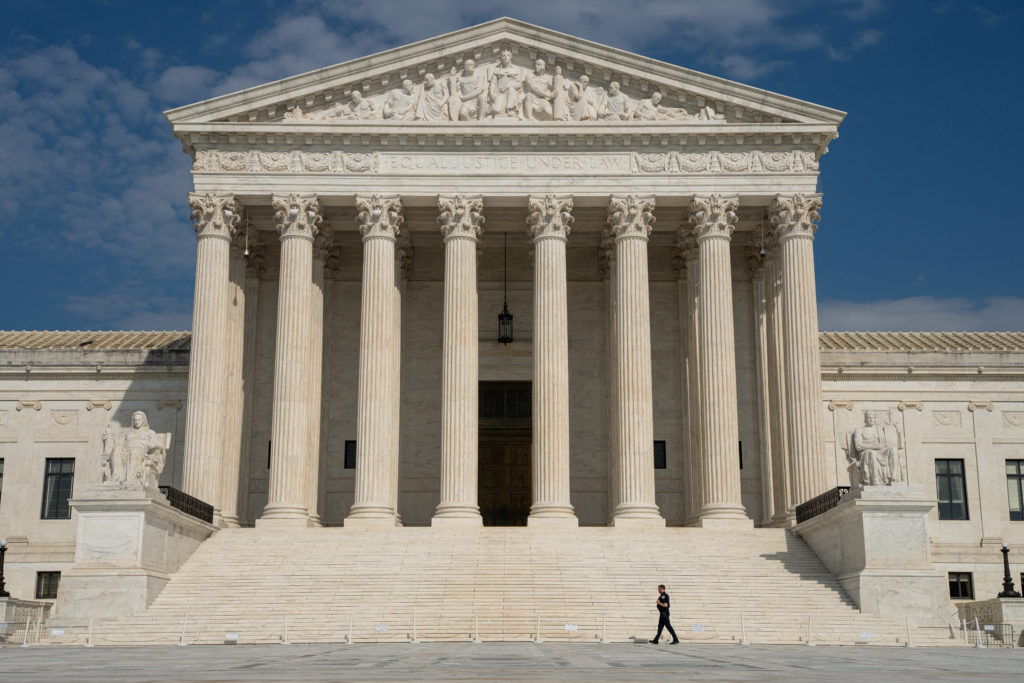
The U.S. Supreme Court has lifted a lower‑court injunction that had halted the Trump administration’s controversial “third‑country” deportation policy, allowing the Department of Homeland Security to resume sending migrants to nations other than their countries of origin for now. The order, issued on Tuesday, is a temporary stay that will last until the Court hears arguments in December, when it will decide whether the policy violates federal law or the Constitution.
The dissenting justices—Sotomayor, Kagan and Jackson—told the Court that the injunction had been necessary to protect the procedural rights of those facing removal to unfamiliar destinations. The order does not address the underlying policy; it only postpones the injunction that had blocked the practice.
Media additions


Since the policy was first announced in January 2025, the administration has deported roughly 25,000 people to more than two dozen countries, according to Human Rights First and Refugees International. Most of those deportees have been sent to Mexico, but the list also includes Central African Republic, South Sudan, Liberia, Guyana and other nations that have signed secret agreements with Washington. The most recent lower‑court ruling, issued in February 2025 by a Massachusetts judge, required the government to give migrants “meaningful notice” before sending them to a third country and to allow them to raise a fear of persecution claim. The First Circuit upheld that ruling in September, and the administration has sought a stay from the Supreme Court to avoid the cancellation of flights.
| Metric | Value |
|---|---|
| Number of deportees under the policy (2025‑2026) | ~25,000 |
| Countries receiving deportees | 29 (including Mexico, Central African Republic, South Sudan, Liberia, Guyana) |
| Flight cancelled due to lower‑court order (2026) | ~70 people bound for three countries |
The policy’s legal basis lies in a 2025 Immigration and Customs Enforcement memo that directed officers to review whether a person protected from removal to their home country could be sent to another nation that had agreed to accept them. The administration argues that the agreements provide sufficient assurances against torture or persecution, a claim that has been contested by migrants’ lawyers who say some deportees have ended up imprisoned or faced violence in the countries they were sent to.
Human rights experts have voiced grave concerns. On Monday, a group of UN human rights specialists warned that the deportations could trigger a “cascade of human rights violations” and potentially lead to fatalities. They cited reports of migrants in Equatorial Guinea who were beaten and confined, as well as Cuban residents of South Florida who were sent to Africa without notice. The UN experts called for an immediate halt to the practice.
Attorney General Todd Blanche praised the Court’s decision, describing the policy as “entirely lawful and a critical tool for immigration enforcement.” In a social‑media post, Blanche said the Court had “waited to hear from both sides before making the decision.” The administration’s Solicitor General, D. John Sauer, wrote that the lower‑court order had created “substantial logistical problems” and “led to added expense, potential diplomatic issues, and the inability to remove dangerous criminals.”
Opponents argue that the policy denies due process. Lawyers for the affected migrants contend that the lower‑court injunction was necessary because the administration had not provided a chance to contest the destination. They point to cases where deportees were sent to countries they had never heard of, and where they were left without legal status or access to basic services. One Cuban deportee, who had been a long‑time resident of Florida, was held indefinitely in a hotel in Equatorial Guinea without access to counsel or medical care.
The Supreme Court’s decision follows a pattern of emergency interventions on immigration matters. Last year, the Court allowed the Trump administration to temporarily continue a similar policy while the case progressed through the courts. The current order is the second time the Court has sided with the administration on third‑country removals. The Court has also previously permitted the government to end Venezuela’s Temporary Protected Status, showing a willingness to defer to executive authority in immigration enforcement.
What’s next? The Court has set a hearing for December, when it will examine whether the policy violates federal immigration law, due‑process guarantees, or the prohibition against torture. Meanwhile, the administration will likely resume rapid deportations, potentially sending more migrants to countries that have signed agreements with Washington, many of which are under U.S. “do not travel” advisories or are governed by repressive regimes.
Observers note that the Court’s stay does not prevent deportations; it merely allows the policy to continue while the legal questions are addressed. The administration’s lawyers argue that requiring additional hearings would slow the removal process and let dangerous criminals remain in the United States. Migrants’ advocates maintain that the lack of notice and opportunity to challenge a destination violates fundamental rights and could expose individuals to harm.
In the coming months, the Court’s deliberations will be watched closely by immigration lawyers, human‑rights groups, and policymakers. The outcome could shape the future of U.S. Deportation practices and set a precedent for how the judiciary handles executive immigration measures. For now, the Trump administration has regained a key tool in its broader crackdown, which has pledged to deport millions of people living in the United States illegally.
How significant is this development?
Contribute your assessment to the aggregated reader sentiment ledger.
Frequently Asked Questions
Key questions answered in this reportWhat is the key development in: Supreme Court allows Trump to resume deportations to third countries?
The Supreme Court has lifted a lower-court injunction, allowing the Department of Homeland Security to resume deportations of migrants to third countries pending a December hearing.
Why is this World development significant for the UK?
This report covers critical events in our World beat. Independent reporting monitors related UK statements, regulatory shifts, and public responses as further verified details emerge.
How was this reporting corroborated and verified?
Newsarchy UK compiles and cross-references reporting from primary reporting from NewsCord and cross-checked wire reports. All coverage adheres to published editorial standards.
When was this report published?
This briefing was published on September 30, 2026 and is permanently cataloged in the Newsarchy UK World archives.