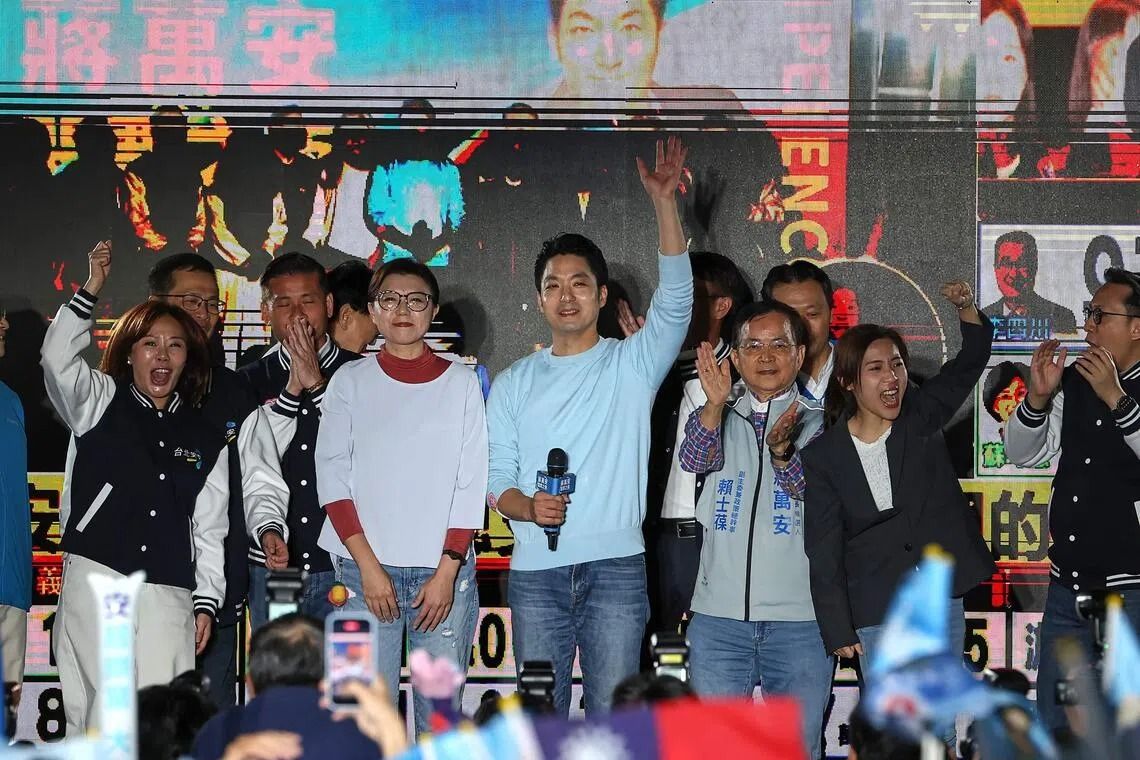
Taiwan opposition retains Taipei mayoralty as ruling party wins nine cities
Taiwan's opposition Kuomintang party has retained the Taipei mayoralty after Chiang Wan-an defeated DPP challenger Puma Shen in local elections.
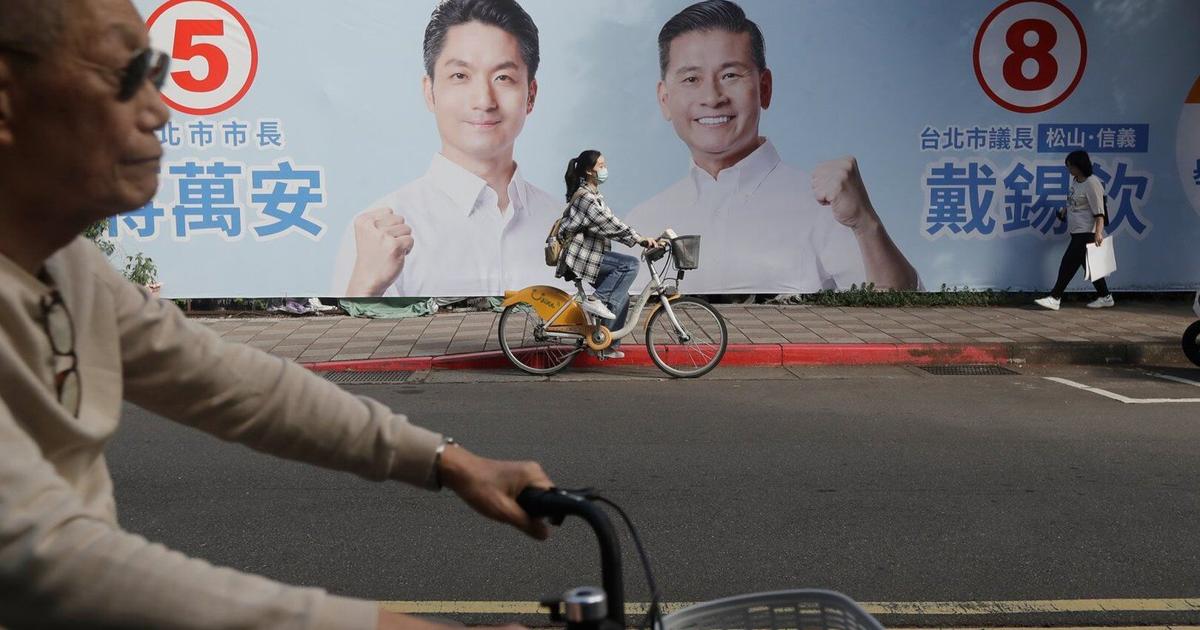
Taiwan’s ruling party conceded defeat in the Taipei mayoral race on Saturday, November 28, 2026, while securing victories across nine other cities and counties in local elections, according to reporting by the Associated Press, ABC News, and The Straits Times. The capital remained a stronghold for the opposition Nationalist Party, also known as the Kuomintang or KMT, which favors closer ties with China. The KMT successfully retained neighboring New Taipei City alongside nine other cities and counties out of the island's twenty-two municipalities.
| Party | Municipalities won |
|---|---|
| Kuomintang (KMT) | 10 |
| Democratic Progressive Party (DPP) | 9 |
Incumbent Mayor Chiang Wan-an secured the Taipei mayoralty against Democratic Progressive Party challenger Puma Shen. Electoral authorities announced the outcome after counting votes from a majority of polling stations, putting Chiang ahead with approximately 53.8 per cent of the vote compared to Shen's 45.6 per cent. Following the announcement, Shen called Chiang to offer congratulations and subsequently addressed supporters.
Media additions
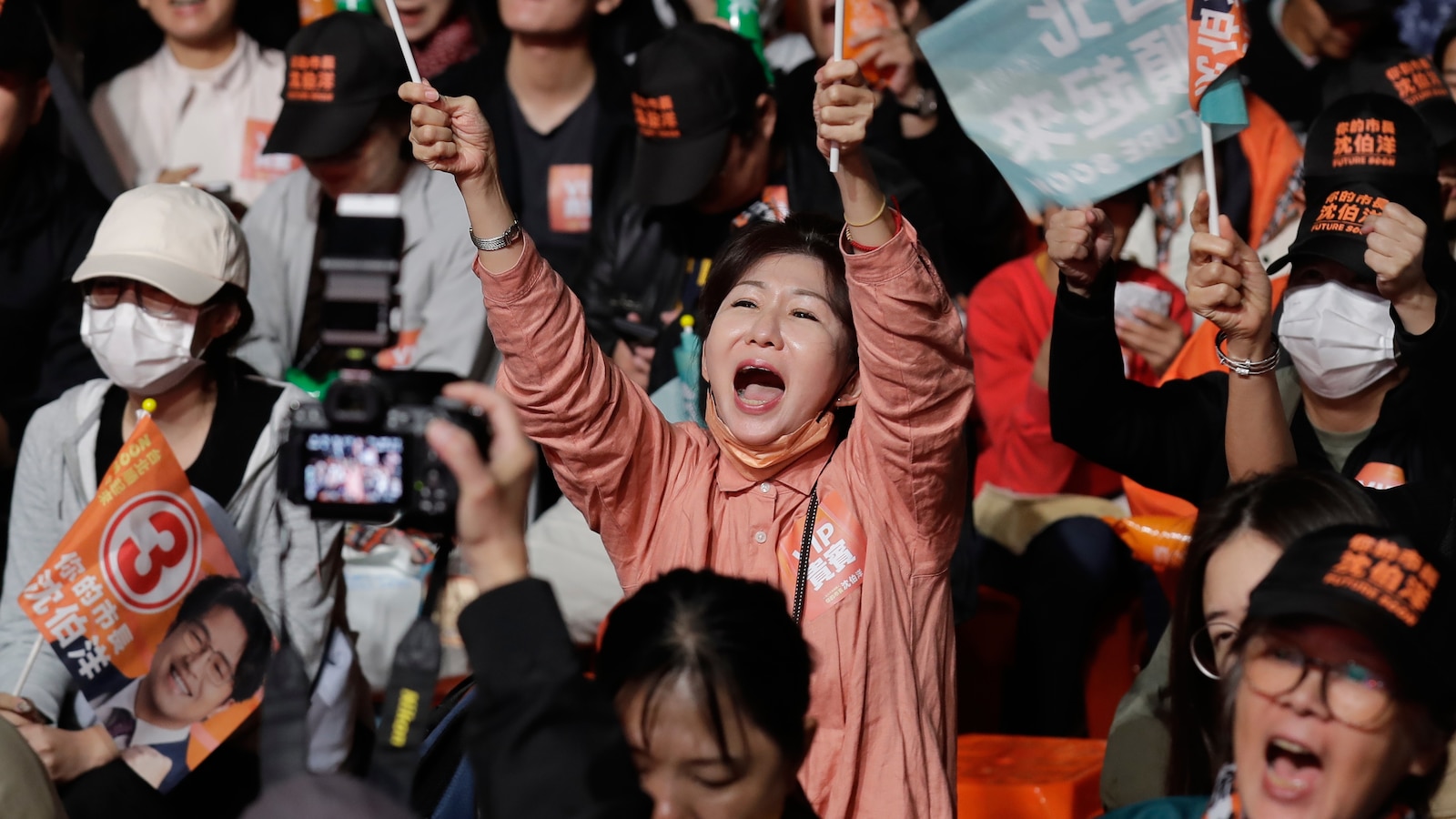
"I know there’s many people crying here. I want to thank every person who voted for me,"
Puma Shen, via Associated Press
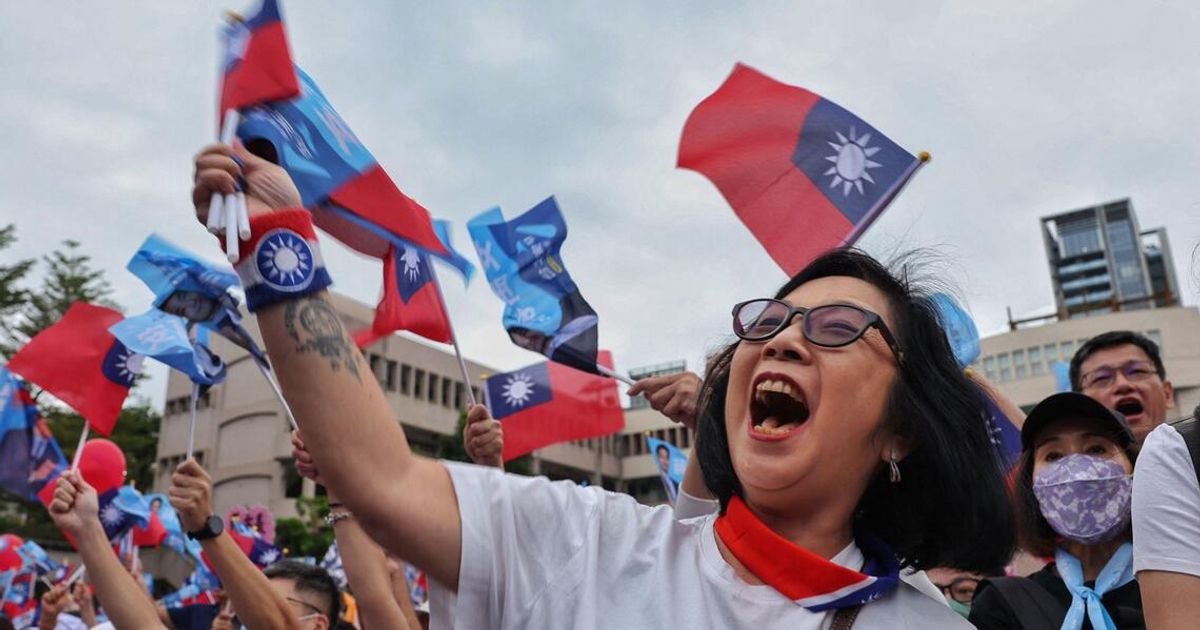
Chiang offered a tearful acknowledgment to his supporters following the confirmation of his victory on Saturday night.
"After a long, hard-fought democratic election, we fought together until the end, thank you everyone,"
Chiang Wan-an, via Associated Press
National Taiwan University political science professor Chen Shihmin described the wider electoral outcome as a modest success for the ruling party. According to Chen, the results will enable the party to maintain cohesion behind President Lai Ching-te as he approaches a potential reelection bid.
"This result will allow the DPP to be united in supporting (President) Lai Ching-te when he seeks another term in 2028,"
Chen Shihmin, via Associated Press
While national debates typically center on cross-strait relations and Beijing's pressure on the self-ruled island, voters prioritized localized issues such as social welfare and the broader economy. Alongside the mayoral and local contests, voters participated in a referendum addressing a previous ban on nuclear power. The proposal aims to leverage nuclear energy to support economic growth, with proponents arguing that additional power supplies are necessary to meet the rising electricity demands of the artificial intelligence sector. Although the referendum does not establish specific operational steps to reopen closed nuclear facilities, it provides the government with a political mandate for nuclear development.
External pressures also accompanied the election cycle. Beijing imposed sanctions on Shen and initiated an investigation into his activities, while Taiwan’s Ministry of National Defense documented approximately 33 sorties by Chinese warplanes, including bombers and fighter jets, operating near the island between Friday and Saturday. Taiwanese authorities accused Beijing of attempting to undermine trust in the electoral framework, an allegation rejected by Chinese officials.
The nine-in-one local elections decided 11,051 local positions, spanning city mayors, county magistrates, local councilors, and township chiefs. The DPP improved upon its performance from previous local cycles, while the KMT consolidated its influence across major urban centers like Taipei and New Taipei City. Observers will monitor how the ruling party leverages its municipal gains toward national platforms, how the opposition maintains its capital stronghold, and how the government advances nuclear energy policies in response to domestic and international pressures ahead of the 2028 presidential election.