Thomas Friedman: All the world’s strongmen have quick-fix fantasies
Global leaders relying on heavy-handed tactics frequently become entangled in protracted conflicts as they underestimate local resilience and complexities.

- Core Development: Global leaders relying on heavy-handed tactics frequently become entangled in protracted conflicts as they underestimate local resilience and complexities.
- Beat Context: Categorized under World with independent corroboration.
- Reporting Depth: 3 minute analytical read synthesized from verified newsroom sources.
Global leaders who rely on simplistic and aggressive solutions face growing friction across various geopolitical arenas, according to foreign affairs commentary reported by the Twin Cities. Prominent figures across different nations repeatedly embrace heavy-handed tactics, only to become entangled in protracted conflicts from which they struggle to extricate themselves.
This dynamic extends across major global powers. Donald Trump, Benjamin Netanyahu, and Vladimir Putin share the trait of believing they are the smartest person in any room, yet they have surrounded themselves with sycophants and blundered into dead-end wars, as reported in the Twin Cities. Foreign affairs analysis indicates that these leaders consistently underestimate the resilience of local populations and the true complexities of foreign governance.
Media additions

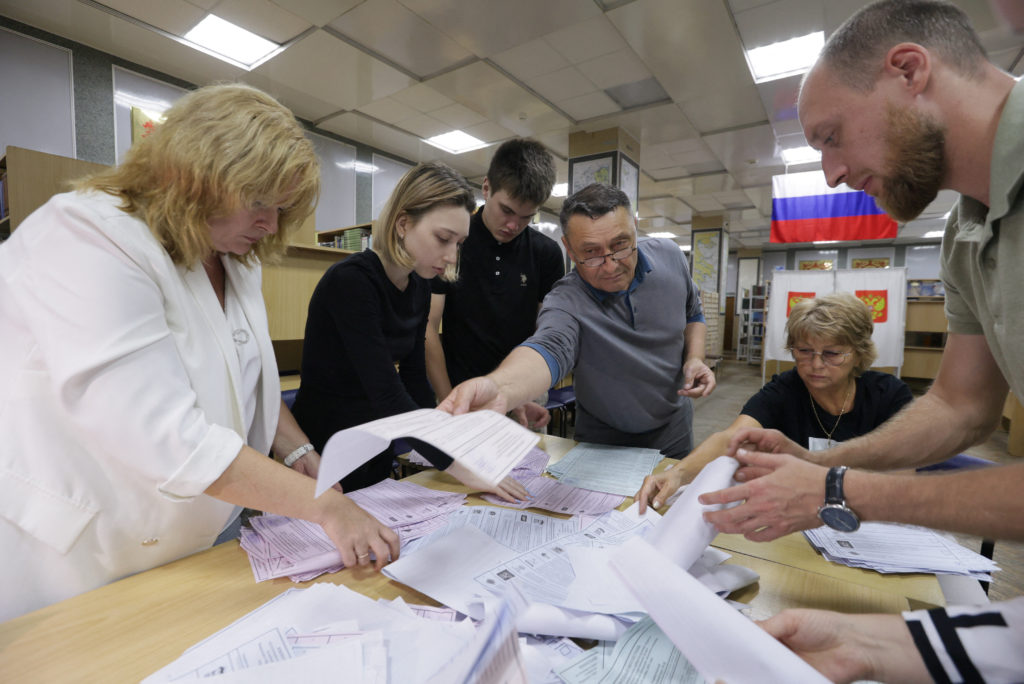
In Eastern Europe, Russian President Vladimir Putin operated under the ideological blind spot that Ukrainians and Russians were one people and that Ukrainian independence was an artificial Western construct, according to military analyst Robbin Laird. Putin expected Russian forces to be welcomed as liberators, relying heavily on pro-Russian sources that told Moscow what it wanted to hear rather than providing accurate ground truth. Instead of building a free and open society, Putin turned Russia into a full-blown police state with a vulnerable petro-economy.
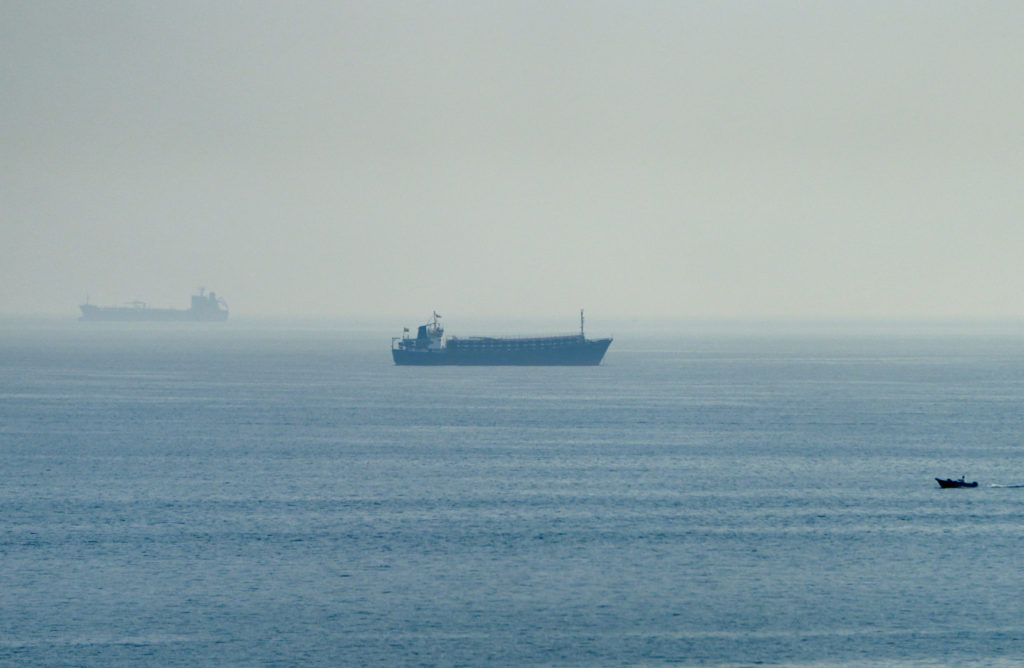
In the Middle East, the conflict involving the United States and Iran has generated severe strategic and economic strains. Military experts cited by PBS note that despite significant conventional U.S. Strikes against Iranian military assets, Iran has maintained asymmetric capabilities, including regional proxy operations and control over maritime traffic. The war has cost tens of billions in direct military expenditures and led to multiple U.S. Service member casualties.
Furthermore, Iran has leveraged its newfound ability to disrupt commercial traffic through the Strait of Hormuz, driving up gasoline prices and contributing to broader inflation, according to petroleum experts and economic analysts. U.S. Relations with regional allies have also experienced strains amid ongoing missile and drone attacks.
Simultaneously, internal pressure within Iran remains intense. Underground activists and protest leaders in Tehran argue that severe economic hardship, public executions, and ongoing repression could ignite a wider uprising at any moment, as reported by the New York Post. Anti-regime sources told the Post that citizens are organizing, studying past protest tactics, and attempting to procure weapons.
Diplomatic shifts also remain fluid. President Trump stated that he halted the latest planned attack as peace talks appeared to be heading in the right direction, according to PBS and the New York Post.
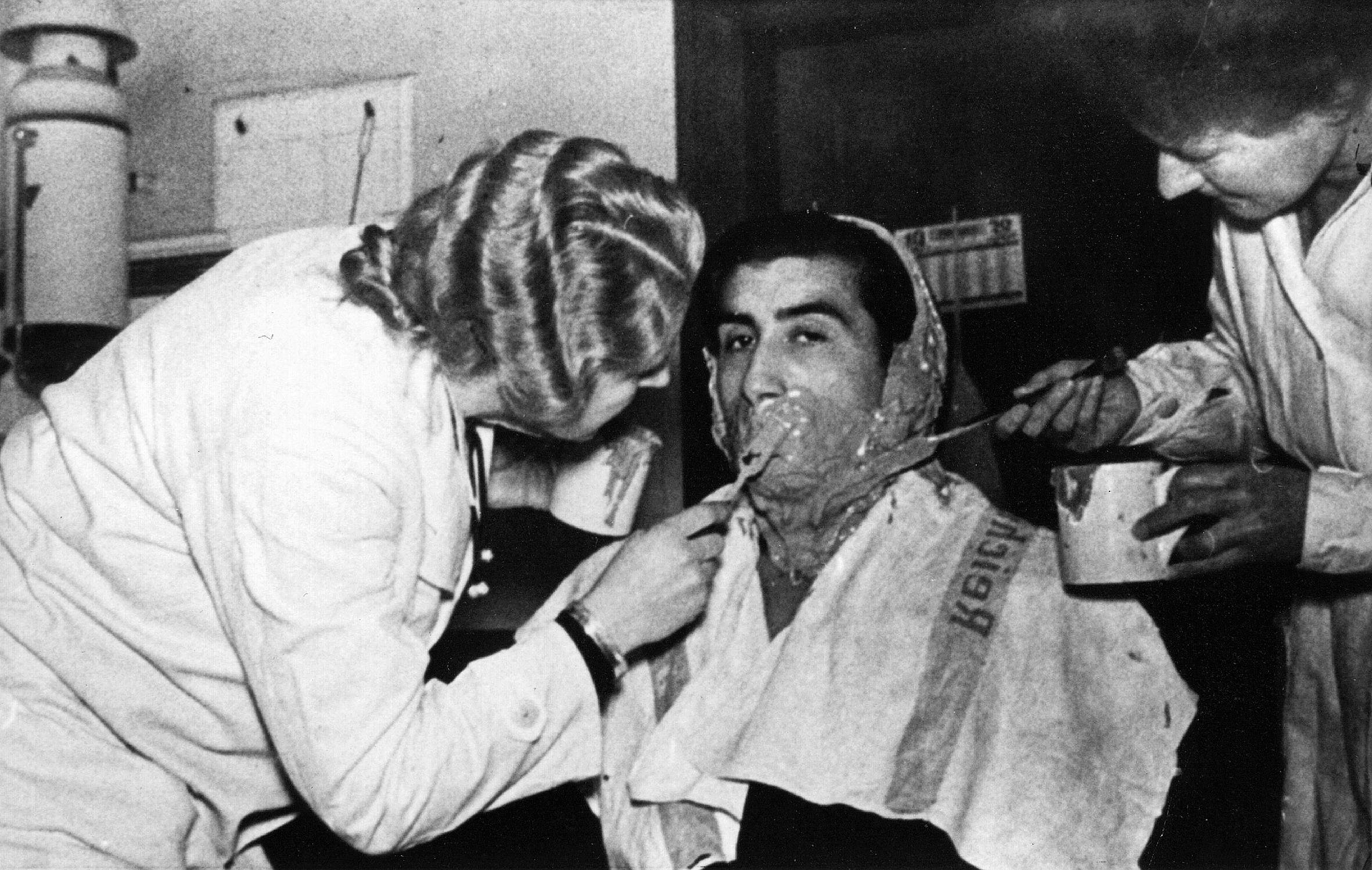
Parallel to these modern geopolitical tensions, long-standing historical struggles continue to shape civil rights across Europe. Romani Rose, leader of the Central Council of German Sinti and Roma, reflected on decades of activism following the historic recognition of the Roma Holocaust by the Federal Republic of Germany, as reported by The Press Project. Rose emphasized that formal recognition must be matched by ongoing societal change to combat persistent anti-Gypsyism and safeguard democratic institutions against far-right political pressures.
Key Developments and Outlook
- Iran Conflict: Ongoing military engagements, shipping disruptions in the Strait of Hormuz, and domestic underground organizing continue to shape the regional outlook, alongside pending diplomatic discussions and potential future actions (PBS, New York Post).
- Civil Rights Advocacy: Sinti and Roma representatives continue pushing for deeper educational and institutional reforms to counter modern discrimination (The Press Project).
How significant is this development?
Contribute your assessment to the aggregated reader sentiment ledger.
Frequently Asked Questions
Key questions answered in this reportWhat is the key development in: Thomas Friedman: All the world’s strongmen have quick-fix fantasies?
Global leaders relying on heavy-handed tactics frequently become entangled in protracted conflicts as they underestimate local resilience and complexities.
Why is this World development significant for the UK?
This report covers critical events in our World beat. Independent reporting monitors related UK statements, regulatory shifts, and public responses as further verified details emerge.
How was this reporting corroborated and verified?
Newsarchy UK compiles and cross-references reporting from primary reporting from thepressproject.gr and cross-checked wire reports. All coverage adheres to published editorial standards.
When was this report published?
This briefing was published on August 2, 2026 and is permanently cataloged in the Newsarchy UK World archives.