Trump says talks with Iran imminent but US denies new negotiations
President Trump announced that talks with Iran and a deal are imminent to reopen the Strait of Hormuz, though U.S. and Iranian officials quickly denied any new direct negotiations.
- Core Development: President Trump announced that talks with Iran and a deal are imminent to reopen the Strait of Hormuz, though U.S. and Iranian officials quickly denied any new direct negotiations.
- Beat Context: Categorized under World with independent corroboration.
- Reporting Depth: 6 minute analytical read synthesized from verified newsroom sources.
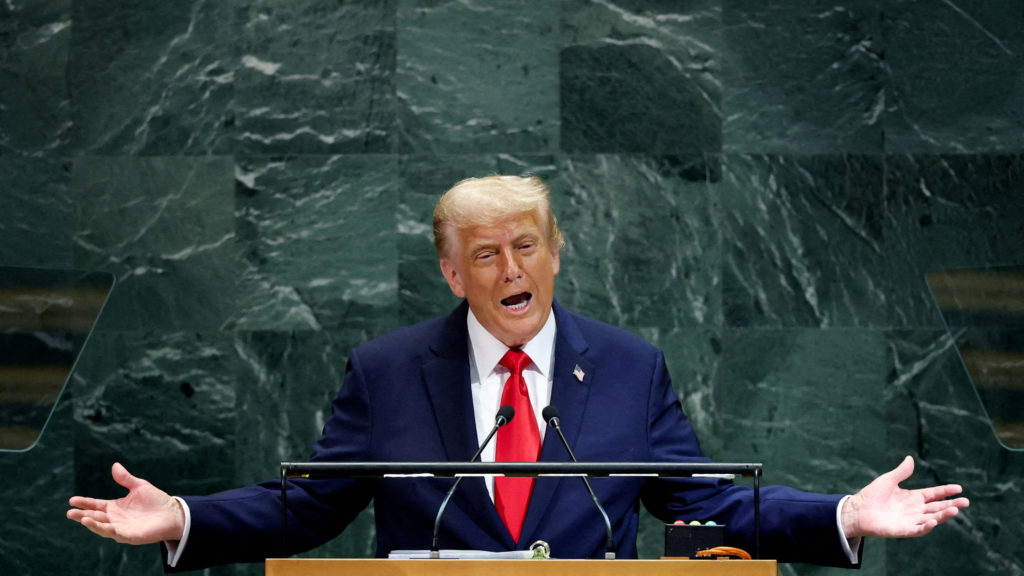
President Donald Trump announced on Monday, 3 August 2026, that “the deal is imminent” and that talks to reopen the Strait of Hormuz and address Iran’s nuclear programme would begin the same afternoon. Within hours, senior U.S. Officials told CBS News that no fresh negotiations were scheduled – only the ongoing, multilateral talks already under way with Iran’s regional interlocutor, Oman.
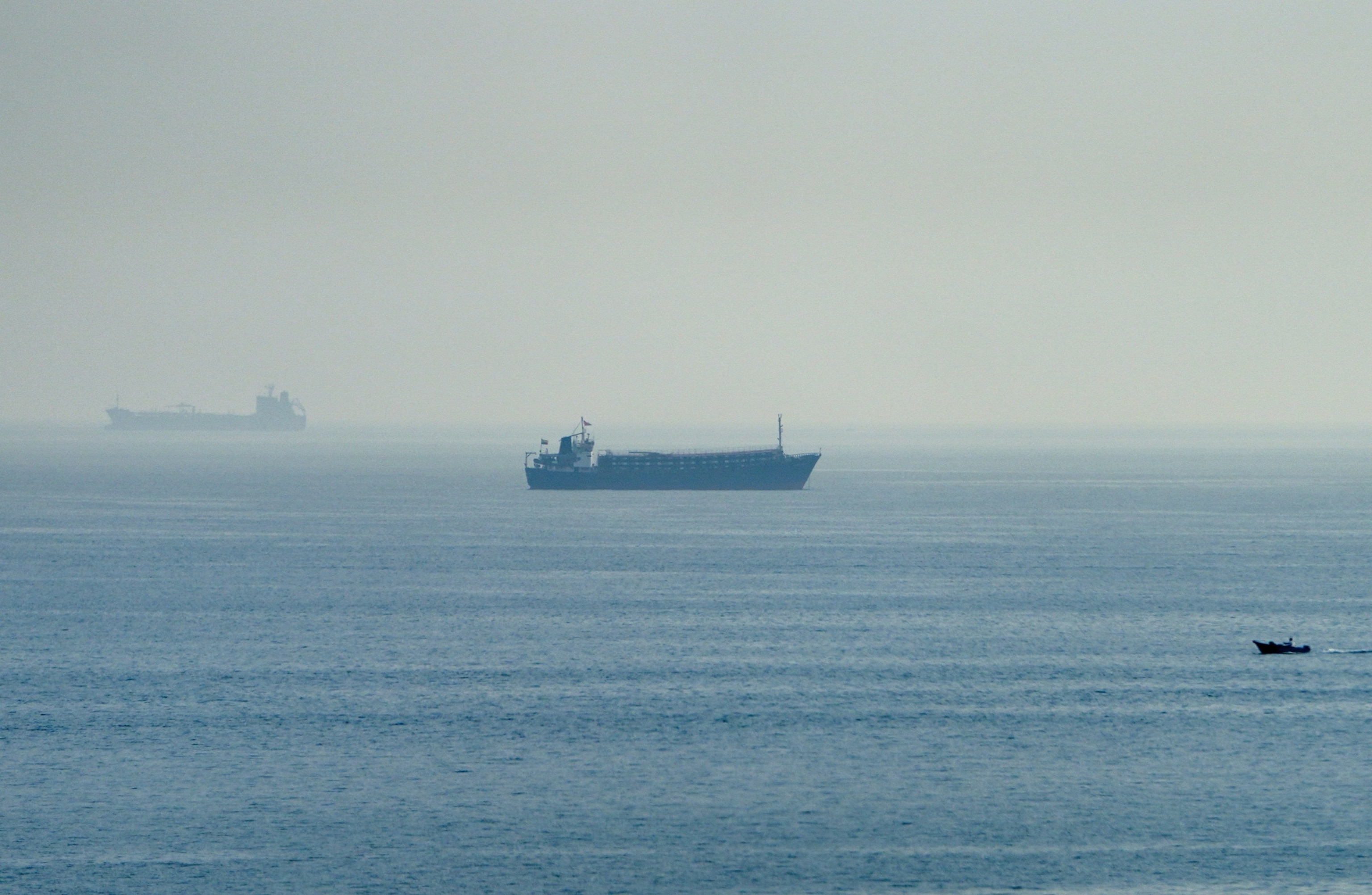
The clash of narratives matters because the war‑triggered blockage of the Hormuz waterway has pushed global oil prices higher, strained Gulf allies, and forced the White House to balance hard‑line rhetoric with an unstable domestic energy market. If the president’s promise of a fast‑track diplomatic “last chance” holds, it could ease the blockade, calm markets and undercut the narrative that the United States is preparing a “biggest attack since World War II.” If the administration’s own diplomats are correct, Trump’s statements may simply be political posturing.
Media additions
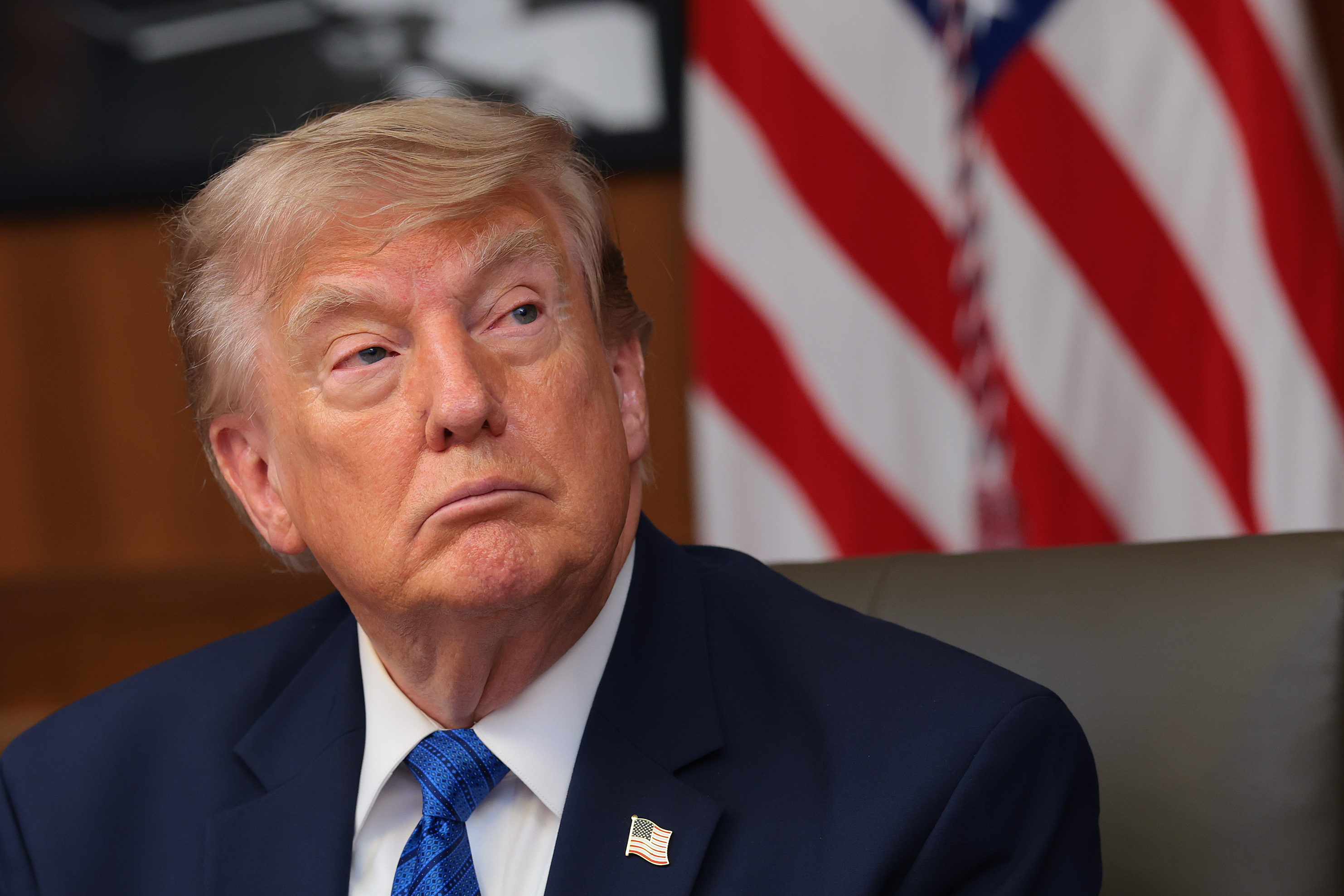
Trump made the claim from the Oval Office while signing an executive order on oil‑price relief. He blasted Chevron and Exxon Mobil for “making too much money” from the surge and vowed that prices would “drop through the floor” once the conflict ends.
"Iranian Leadership is unbelievably duplicitous! They ask for a meeting, some would say ‘beg,’ talks begin, with more scheduled in the immediate future, and they say, openly and proudly, that they're not having any discussions, that nothing is being talked about, and they're only dealing with ‘Oman.’"
Donald Trump, President, via CBS News
He added that the United States would give “every last chance before decapitation,” suggesting a final, coercive opening for Tehran.
"This is their last chance to make a deal before decapitation."
Donald Trump, President, via IBTimes
U.S. Officials, however, framed the situation differently. A spokesperson for the State Department told CBS News that there were “no ‘new’ or novel negotiations planned – just the ongoing talks between Middle East envoy Steve Witkoff, Jared Kushner and the U.S. Negotiating team with the Iranian team, through mediators.”
Iran’s foreign ministry echoed the denial. Spokesperson Esmaeil Baghaei said the country was “only negotiating with Oman” on a temporary shipping corridor and that “the issues related to Iran and the United States should be examined in the next stages.”
"We are not negotiating with the United States at this time. Our negotiations are with Oman and are focused on reaching an understanding on a route that will ensure the safe passage of shipping through the Strait of Hormuz."
Esmaeil Baghaei, Foreign Ministry Spokesperson, via CBS News
The divergent accounts are echoed across regional outlets. Whdh reported that Trump called off a massive strike after “appeals from Saudi Arabia, the United Arab Emirates, Qatar and even Iran” and framed the pending talks as a “last chance” for Iran to reopen the strait. The same piece noted that Iranian officials “criticised the United States for duplicitous posturing” while insisting the Oman talks were solely about a temporary route.
Iranian state media confirmed that Foreign Minister Abbas Araghchi was in Najaf for the Arbaeen pilgrimage and that his ministry had been “in final stages” of talks with Oman on the strait. The Ibtimes added that Tehran’s spokesperson dismissed any link between the Oman talks and a broader U.S.–Iran deal.
Maritime data from Kpler, cited by both CBS and Aol, show the strait’s traffic remains fragmented. On Sunday, 9 vessels crossed, most using Iran‑controlled routes; the Bab el‑Mandeb recorded 30 crossings, down from 41 the previous day. The firm warned operators to treat both chokepoints as “contested rather than normalised” until a unified navigation arrangement emerges.
What happened when
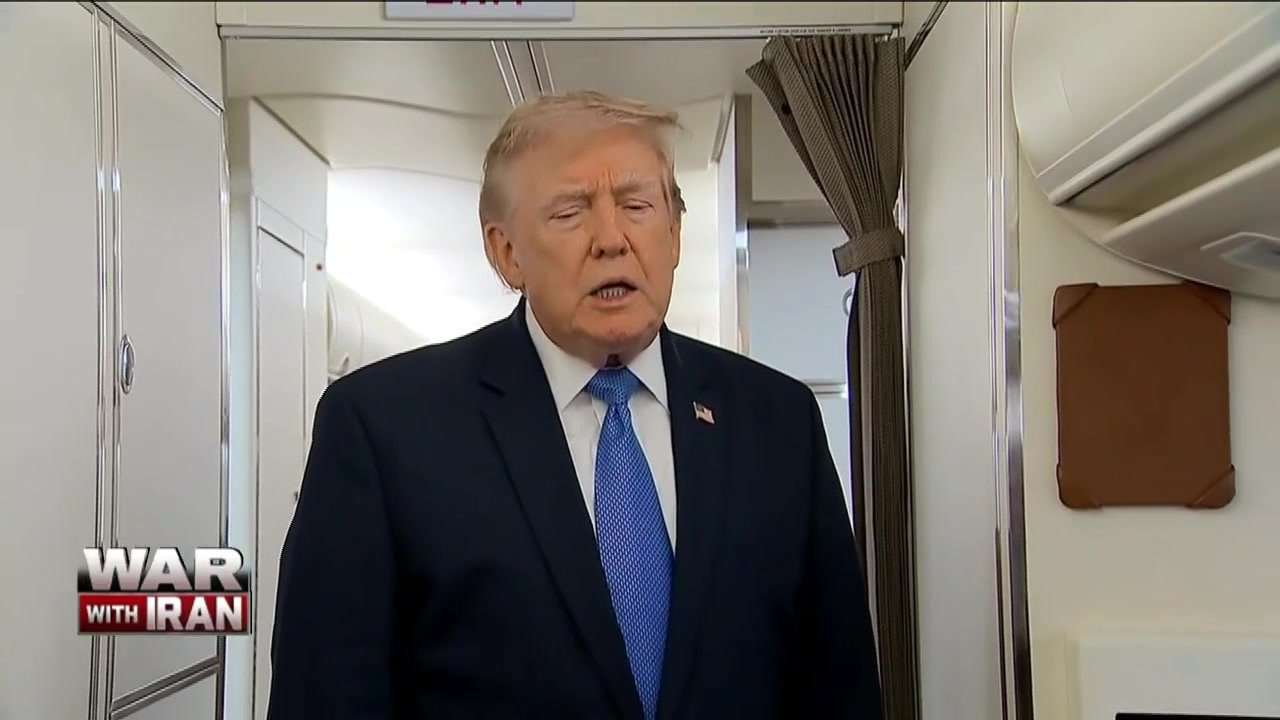
- 2 August 2026 – On Air Force One, Trump announces cancellation of a planned massive strike after Gulf allies urged diplomacy; he says a “deal is imminent” and that talks will start the next day.
- 3 August 2026 (morning) – Iranian Foreign Ministry spokesperson Esmaeil Baghaei states that negotiations are limited to Oman and do not involve the United States.
- 3 August 2026 (mid‑day) – Trump, in the Oval Office, reiterates that talks will begin that afternoon, framing them as a “last chance” before “decapitation.”
- 3 August 2026 (evening) – U.S. Officials tell CBS News there are no new negotiations, only the existing multilateral channel involving Steve Witkoff and Jared Kushner.
Key points of disagreement
| Issue | Trump’s claim | U.S. Official stance | Iranian response |
|---|---|---|---|
| Existence of U.S.–Iran talks | Talks to resume Monday afternoon; “deal is imminent.” | No new negotiations; only ongoing multilateral talks. | Negotiations only with Oman; no direct U.S. Talks. |
| Scope of talks | Strait of Hormuz reopening and “denuclearisation of Iran.” | Current focus is shipping route with Oman. | Talks concern a temporary single corridor, not broader security issues. |
| Timing | Immediate, “today or tomorrow.” | No accelerated timeline announced. | Process will be “examined in next stages” and may take time. |
Analysts cited by CBS note that oil markets reacted positively to Trump’s statement, with crude futures slipping more than 6 percent, even as Kpler data reminded traders that the Hormuz bottleneck remains. The market’s optimism, however, may be short‑lived if diplomatic progress stalls.
The broader regional picture adds more layers. Israel continues its Gaza offensive, warning the United States that its peace‑plan must address Hamas disarmament – a group Iran backs. Iran’s foreign minister, Abbas Araghchi, also met with Pakistani officials to discuss easing transit bottlenecks, underscoring Tehran’s parallel diplomatic tracks.
Meanwhile, Iraq’s political leadership has positioned itself as a go‑between, with Prime Minister Ali al‑Zeidi reportedly carrying U.S. Messages to Tehran, according to Iraqi politician Meysar al‑Shammari. The move highlights Baghdad’s attempt to influence the outcome while balancing its ties to both sides.
Domestic political calculus is also at play. With the U.S. Presidential election looming in October, Trump’s hard‑line rhetoric may be aimed at rallying his base, while the economic fallout of high fuel prices threatens to erode public support. The president’s claim that oil “will drop through the floor” if the war ends places added pressure on any diplomatic resolution.
What to watch next
- Whether the U.S. Negotiating team, led by Steve Witkoff and Jared Kushner, publicly acknowledges any shift in talks after Monday.
- Any formal announcement from the Iranian foreign ministry about extending the Oman‑focused route into a broader security dialogue.
- Updates from Kpler on Hormuz and Bab el‑Mandeb traffic in the days following the announcements.
- Statements from Gulf allies – Saudi Arabia, United Arab Emirates, Qatar – on whether they continue to pressure the United States toward a diplomatic settlement.
- Potential market reaction if oil prices rebound or remain low ahead of the OPEC+ production increase slated for September.
As the world watches, the gap between Trump’s public optimism and the quieter diplomatic choreography of Washington and Tehran may determine whether the Strait of Hormuz reopens soon or remains a contested flashpoint for months to come.
How significant is this development?
Contribute your assessment to the aggregated reader sentiment ledger.
Frequently Asked Questions
Key questions answered in this reportWhat is the key development in: Trump says talks with Iran imminent but US denies new negotiations?
President Trump announced that talks with Iran and a deal are imminent to reopen the Strait of Hormuz, though U.S. and Iranian officials quickly denied any new direct negotiations.
Why is this World development significant for the UK?
This report covers critical events in our World beat. Independent reporting monitors related UK statements, regulatory shifts, and public responses as further verified details emerge.
How was this reporting corroborated and verified?
Newsarchy UK compiles and cross-references reporting from primary reporting from cbsnews.com and cross-checked wire reports. All coverage adheres to published editorial standards.
When was this report published?
This briefing was published on August 4, 2026 and is permanently cataloged in the Newsarchy UK World archives.