Trump ties Saudi nuclear deal to joining Abraham Accords
The U.S.-Saudi nuclear energy agreement is now contingent on the kingdom normalizing diplomatic relations with Israel. The deal faces a 90-day congressional review.
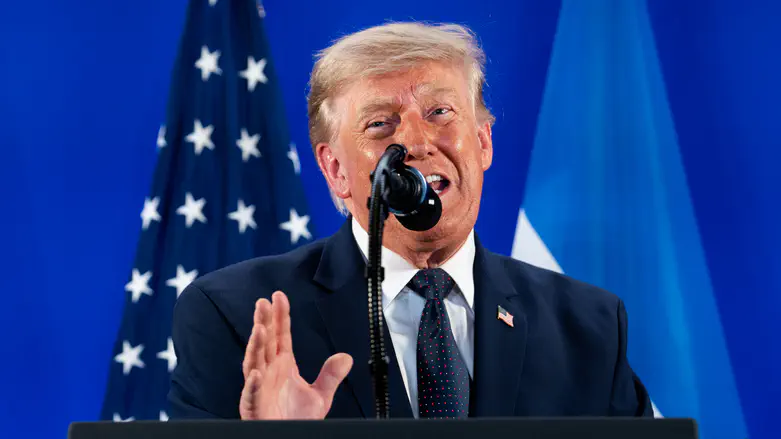
- Core Development: The U.S.-Saudi nuclear energy agreement is now contingent on the kingdom normalizing diplomatic relations with Israel. The deal faces a 90-day congressional review.
- Beat Context: Categorized under World with independent corroboration.
- Reporting Depth: 3 minute analytical read synthesized from verified newsroom sources.
United States President Donald Trump on Thursday clarified that the new civilian deal with Saudi Arabia would be dependent on the Abraham Accords. This diplomatic ultimatum links the long-sought multi-billion-dollar energy partnership to the normalization of relations between Riyadh and Israel, a development that has long been a focal point of regional policy discussions.
The announcement followed the formal signing of a nuclear pact on Wednesday by United States Energy Secretary Chris Wright and Saudi Minister of Energy Prince Abdulaziz bin Salman. While the administration has championed the agreement as a way to secure an American role in Saudi atomic infrastructure, the president’s assertion on Thursday complicates the path forward for the deal, which now faces a period of legislative review.
According to Israelnationalnews, the president took to social media to clarify that the agreement, which pertains to non-military use, would be approved only if Saudi Arabia enters the Abraham Accords. He emphasized that the deal would not involve the enrichment of material. However, reports from CBC indicate that the details surrounding uranium enrichment remain a point of contention. While the president stated the agreement does not allow for enrichment, other accounts note that the deal contains provisions under which American firms could potentially construct an enrichment plant if a future joint feasibility study validates the move.
Congressional and International Oversight
The agreement, formally known as a 123 agreement under the Atomic Energy Act of 1954, has been submitted to Congress. Under existing procedures, lawmakers have 90 session days to block the pact. To successfully override a potential presidential veto, opponents would need to secure a two-thirds majority in the legislature. Secretary of State Marco Rubio, speaking from Manila, framed the deal as a necessary measure to ensure Saudi Arabia utilizes American technology rather than turning to international competitors such as Russia or China for its nuclear development.
The framework has drawn scrutiny from non-proliferation experts regarding the absence of the International Atomic Energy Agency's additional protocol, which would typically grant inspectors broader access for verification. The agency has confirmed it is aware of the proposal to perform verification work but has not yet received a formal request from the signatories.
Regional Dynamics and Hurdles
The requirement to join the Abraham Accords presents a significant challenge for the Saudi government. Riyadh has consistently maintained that any normalization of ties with Israel must be predicated on a clear path toward Palestinian statehood. Conversely, Israeli leadership has remained firm in rejecting such a path, citing security concerns. Despite these conflicting positions, the office of Israeli Prime Minister Benjamin Netanyahu released a statement expressing support for the prospect of Saudi Arabia joining the accords, describing it as a potential historic step for peace.
The following table outlines the current status and known elements of the ongoing negotiations:
| Component | Status/Detail |
|---|---|
| Agreement Type | 123 Agreement (Peaceful Nuclear Cooperation) |
| Duration | 30 years |
| Congressional Review | 90 session days |
| Key Constraint | Subject to Saudi accession to Abraham Accords |
| IAEA Oversight | Pending formal request for verification |
What Happens Next
As the administration continues discussions with Riyadh, observers remain focused on several key factors:
- Legislative scrutiny: Whether members of Congress will challenge the lack of rigorous non-proliferation guardrails or the potential for future uranium enrichment capacity.
- Diplomatic outreach: Whether the administration can bridge the gap between the Saudi demand for a Palestinian state and the Israeli government's rejection of that statehood model.
- Alternative partnerships: Should the U.S. Deal fail, the potential remains for Saudi Arabia to seek nuclear energy partnerships with other nations, including South Korea, France, or entities from Russia and China, which have previously signed preliminary cooperation agreements with the kingdom.
The Saudi Embassy in Washington has declined to comment on the president’s specific condition regarding the Abraham Accords.
How significant is this development?
Contribute your assessment to the aggregated reader sentiment ledger.
Frequently Asked Questions
Key questions answered in this reportWhat is the key development in: Trump ties Saudi nuclear deal to joining Abraham Accords?
The U.S.-Saudi nuclear energy agreement is now contingent on the kingdom normalizing diplomatic relations with Israel. The deal faces a 90-day congressional review.
Why is this World development significant for the UK?
This report covers critical events in our World beat. Independent reporting monitors related UK statements, regulatory shifts, and public responses as further verified details emerge.
How was this reporting corroborated and verified?
Newsarchy UK compiles and cross-references reporting from primary reporting from cbc.ca and cross-checked wire reports. All coverage adheres to published editorial standards.
When was this report published?
This briefing was published on July 24, 2026 and is permanently cataloged in the Newsarchy UK World archives.


