Trump reaffirms US backing for Moroccan sovereignty over Western Sahara
US President Donald J. Trump has reaffirmed Washington's recognition of Moroccan sovereignty over Western Sahara, calling Rabat's autonomy proposal the sole basis for a lasting solution.
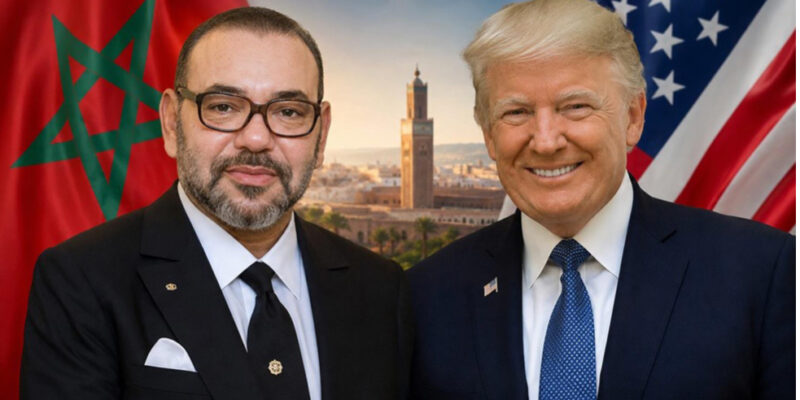
- Core Development: US President Donald J. Trump has reaffirmed Washington's recognition of Moroccan sovereignty over Western Sahara, calling Rabat's autonomy proposal the sole basis for a lasting solution.
- Beat Context: Categorized under World with independent corroboration.
- Reporting Depth: 3 minute analytical read synthesized from verified newsroom sources.
United States President Donald J. Trump has reaffirmed Washington’s recognition of Morocco’s sovereignty over Western Sahara, declaring in a message that any approach other than Rabat's autonomy proposal is unacceptable and merely prolongs the territorial dispute.
The diplomatic reaffirmation arrived in a message sent to King Mohammed VI to mark the 27th anniversary of Morocco’s Throne Day, as detailed in statements released by Morocco’s Royal Office and reported by Tidewaternews. President Trump described the North African kingdom's autonomy plan as the sole foundation for resolving the territorial disagreement, warning that alternative paths maintain an untenable status quo.
Media additions

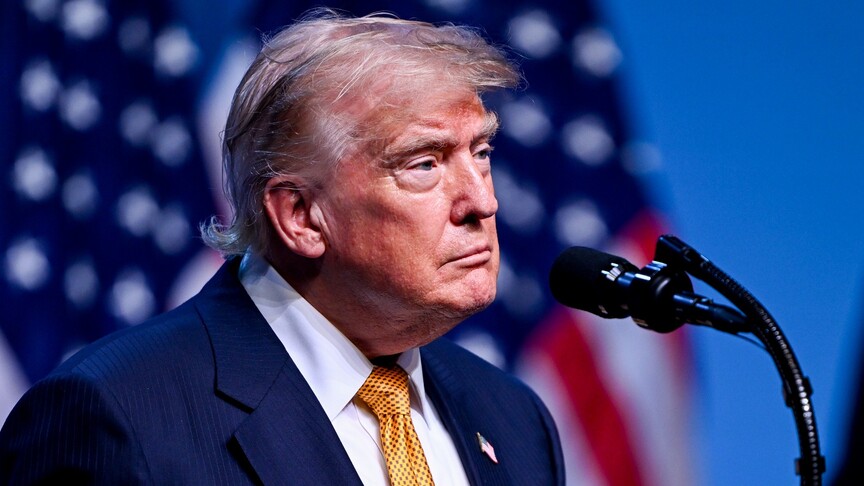
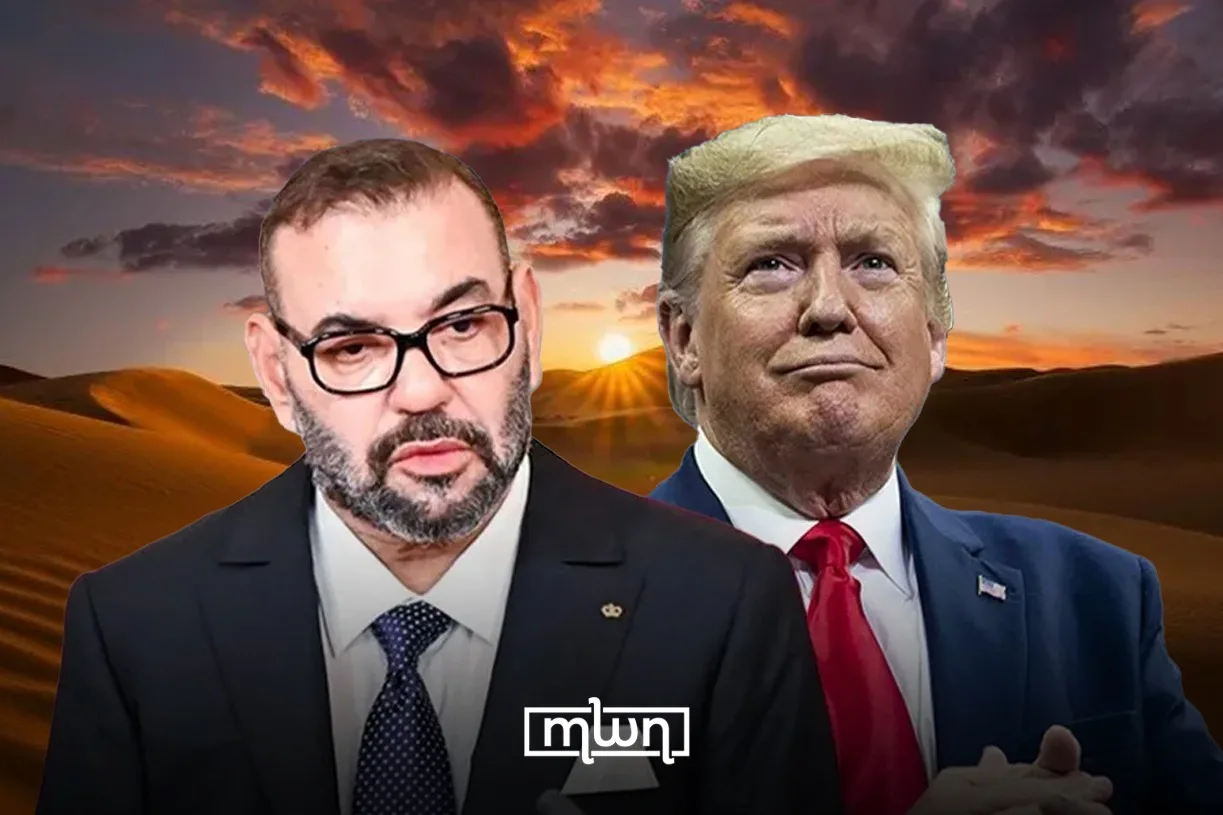
"The United States is unequivocal: We recognise Moroccan sovereignty over Western Sahara and support Morocco’s serious, credible, and realistic autonomy proposal as the only basis for a just and lasting solution"
Donald J. Trump, U.S. President, via Myjoyonline
According to Aa, bilateral relations entered a new phase when Washington formally recognized Moroccan sovereignty over the territory in December 2020, following Rabat's agreement to normalize relations with Israel. The historical roots of the relationship stretch back centuries, with Morocco becoming the first nation to recognize American independence in 1777, noted Tidewaternews. As the United States marks its 250th anniversary, the exchange of messages reflects an enduring partnership forged in trust and mutual respect.
The dispute over Western Sahara itself dates back to 1975, when Spain ended its colonial rule of the territory, as detailed by Aa. This historical handover escalated into an armed conflict between Morocco and the Polisario Front, which continues to seek a referendum on self-determination with the support of Algeria, before a ceasefire was reached in 1991.
Beyond the territorial file, President Trump praised King Mohammed VI’s leadership as an anchor of stability and commended Rabat's contributions to peace efforts, combating extremism, safeguarding the security of Americans and Morocans, and supporting the Abraham Accords, as reported by Medafricatimes and Morocco World News. Both nations also committed to working together to secure the Sahel region to combat political instability and extremist violence.
Economic and technological collaboration formed another major pillar of the presidential message, documented by Morocco World News and Daily News Hungary. President Trump stated that King Mohammed VI’s vision for economic growth opens new prospects for prosperity, and that he had instructed his administration to encourage economic and social development initiatives directly with Morocco, including within the Western Sahara territory.
Key Areas of Bilateral Cooperation
- Energy development
- Artificial intelligence and American technological innovation
- Critical minerals
- Defense and strategic security partnerships
- Joint stability operations in the Sahel region
Further cementing ties, King Mohammed VI informed President Trump on July 2, 2026, of his decision to name the Tiznit-Dakhla Expressway—stretching 1,055 kilometers or 655 miles as one of Africa's longest highways—after the U.S. Leader, a gesture acknowledged in a video posted on Truth Social by President Trump, according to Tidewaternews.
As Washington and Rabat look toward future cooperation, the United States has committed to pushing forward toward a final resolution of the territorial file while expanding bilateral investment across strategic sectors for the coming decades, with American technology and innovation continuing to serve as partners for the next 250 years.
How significant is this development?
Contribute your assessment to the aggregated reader sentiment ledger.
Frequently Asked Questions
Key questions answered in this reportWhat is the key development in: Trump reaffirms US backing for Moroccan sovereignty over Western Sahara?
US President Donald J. Trump has reaffirmed Washington's recognition of Moroccan sovereignty over Western Sahara, calling Rabat's autonomy proposal the sole basis for a lasting solution.
Why is this World development significant for the UK?
This report covers critical events in our World beat. Independent reporting monitors related UK statements, regulatory shifts, and public responses as further verified details emerge.
How was this reporting corroborated and verified?
Newsarchy UK compiles and cross-references reporting from primary reporting from tidewaternews.com and cross-checked wire reports. All coverage adheres to published editorial standards.
When was this report published?
This briefing was published on August 2, 2026 and is permanently cataloged in the Newsarchy UK World archives.