Trump warns Iran will be hit hard unless Hormuz reopens, oil prices drop
President Donald Trump has warned Iran that the Strait of Hormuz must reopen very soon or face severe military action, even as U.S. and Omani officials report progress in diplomatic talks.
Trump warns Iran will be hit hard unless Hormuz reopens, oil prices drop
EXECUTIVE BRIEFKey Takeaways & Signal
Core Development: President Donald Trump has warned Iran that the Strait of Hormuz must reopen very soon or face severe military action, even as U.S. and Omani officials report progress in diplomatic talks.
Beat Context: Categorized under World with independent corroboration.
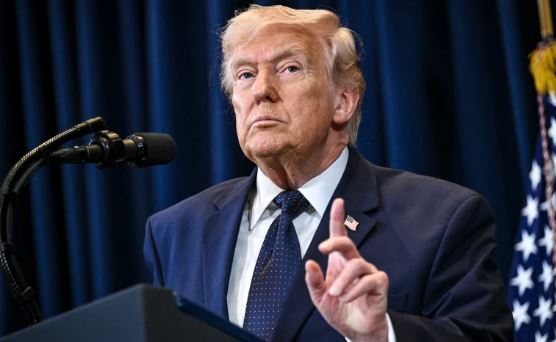
President Donald Trump warned in a televised interview with Fox News from Southern California that the Strait of Hormuz would reopen very soon or Iran would face severe retaliation. According to Trump, the United States had previously prepared a major attack before agreeing to talks following requests from Iranian officials, noting that he wanted to give Tehran a final chance.
"The Strait is going to be open very soon — or they're gonna hit very hard, and then the Strait is going to be open."
Image via finance.yahoo.comImage via tribune.com.pkImage via yahoo.com
Donald Trump, President of the United States, via Fox News
Secretary of State Marco Rubio told reporters at the State Department that progress had been made in talks involving Iran and Oman, though no final agreement had been reached. Treasury Secretary Scott Bessent echoed this optimism during an appearance on CNBC, stating that discussions were moving forward.
"There's been progress made in those talks, but not finality yet. We're hoping that will happen very shortly."
Marco Rubio, Secretary of State, via State Department briefing
U.S. Central Command reiterated that the southern route through the Strait of Hormuz remains free and open for commercial transit, noting that U.S. Forces have assisted more than 1,000 vessels over the preceding three months. At the same time, sources told CBS News that the United States has expended nearly all of its global stockpile of long-range precision missiles during the conflict.
Diplomatic friction and regional developments
Iran’s foreign ministry denied holding direct talks with Washington, insisting that negotiations are restricted to Omani mediation regarding vessel transit mechanisms. An informed Iranian source cited by Sepah News blamed U.S. Interference and Trump's threats for delaying any final agreement with Oman. Qatar confirmed that its diplomatic efforts alongside other mediators remain ongoing, though no direct U.S.–Iran talks are currently planned.
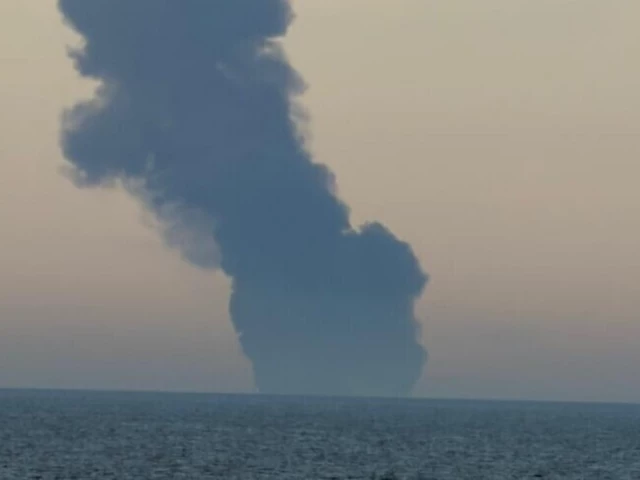
Regional tensions have also affected other shipping corridors. Yemen's Iran-backed Houthis claimed responsibility for attacks in the region, while an Indian-flagged vessel sank near Yemeni waters after being struck by a projectile, with all 14 crew members rescued.
Market response and economic fallout
On Tuesday, Brent crude fell to under $80 a barrel, while U.S. West Texas Intermediate settled at $76 a barrel, marking both contracts' lowest levels since 13 July. Danni Hewson, head of financial analysis at AJ Bell, noted market warfulness regarding the fragile diplomatic process.
"Investors are acutely aware of how many times we've already been at this point in the war and how fragile the process of securing lasting agreements can be."
Danni Hewson, head of financial analysis at AJ Bell, via interview
Fuel prices remained elevated worldwide, with the average cost of a litre of petrol in the United Kingdom reaching £1.60 according to the RAC, and U.S. Gasoline averaging above $4 a gallon alongside diesel near $5.40 a gallon. The drop in oil prices spurred gains across U.S. Stock markets, with the S&P 500, Dow Jones Industrial Average, and Nasdaq Composite all advancing. Major energy companies, including BP and Shell, reported substantial quarterly profits driven by earlier high fossil fuel prices.
READER INTELLIGENCE PULSE
How significant is this development?
Contribute your assessment to the aggregated reader sentiment ledger.
Click an option to register your anonymous assessment.
Frequently Asked Questions
Key questions answered in this report
What is the key development in: Trump warns Iran will be hit hard unless Hormuz reopens, oil prices drop?
President Donald Trump has warned Iran that the Strait of Hormuz must reopen very soon or face severe military action, even as U.S. and Omani officials report progress in diplomatic talks.
Why is this World development significant for the UK?
This report covers critical events in our World beat. Independent reporting monitors related UK statements, regulatory shifts, and public responses as further verified details emerge.
How was this reporting corroborated and verified?
Newsarchy UK compiles and cross-references reporting from primary reporting from tribune.com.pk and cross-checked wire reports. All coverage adheres to published editorial standards.
When was this report published?
This briefing was published on August 5, 2026 and is permanently cataloged in the Newsarchy UK World archives.