Iran authorities say one dead after ship struck in Hormuz
A commercial vessel was struck off Iran's southern coast, leaving one crew member dead and multiple injured as Middle East conflict disrupts shipping.

Iranian authorities reported that one person was killed and multiple crew members were injured after a commercial vessel was struck off the country's southern coast, adding profound new peril to global energy markets already reeling from widespread wartime disruptions. Sunday's developments, unfolding amid an escalating conflict across the Middle East, compound fears for international shipping lanes after a series of coordinated attacks on critical infrastructure and maritime chokepoints. Sunday, 13 September 2026 marked a volatile escalation as maritime security agencies and regional officials scrambled to respond to simultaneous crises spanning the Strait of Hormuz, Saudi Arabia, and Yemen.
The United Kingdom Maritime Trade Operations issued urgent safety warnings after receiving initial reports of the incident. According to maritime authorities, a vessel crossing the strategic waterway was hit by an unidentified munition, igniting an onboard fire and forcing local emergency services to assist with crew evacuations. While international trackers initially lacked details regarding the vessel's flag, name, or exact extent of damage, Iranian state-run media confirmed that an Iranian commercial vessel had been struck near Hengam Island off Qeshm Island. Additional reports from maritime monitors noted that the initial warning was received late Saturday, prompting warnings for all vessels transiting the area to exercise extreme caution.
Media additions

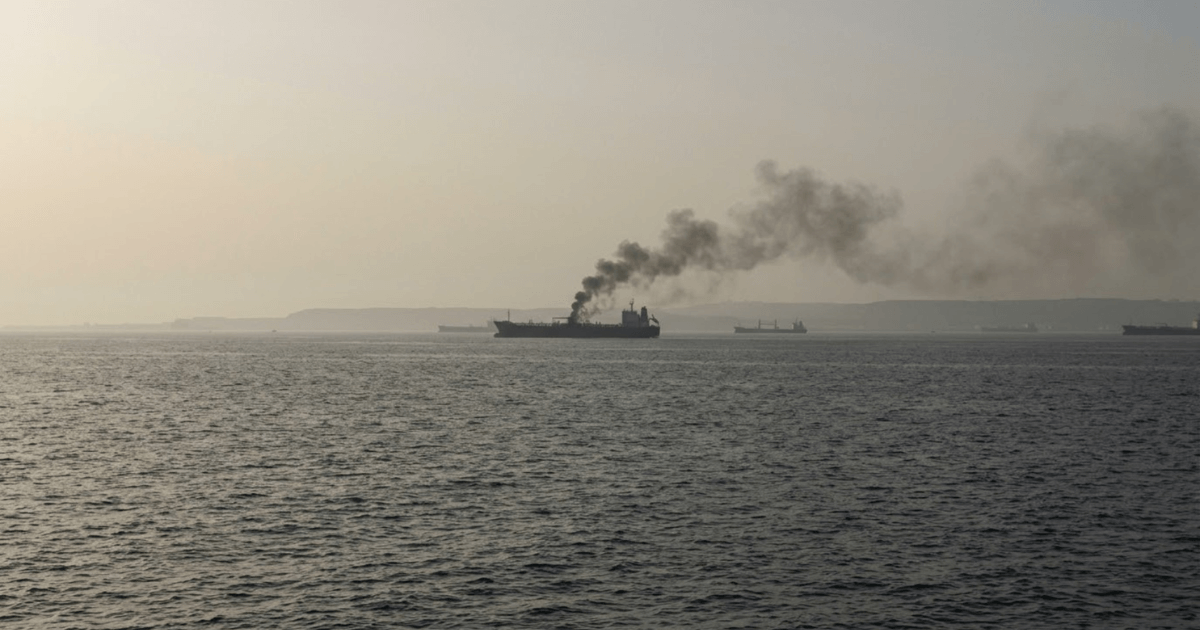
These maritime incidents arrive during a volatile period for energy corridors. Commercial traffic through the Strait of Hormuz has slowed dramatically compared to pre-war averages, choking off millions of barrels of daily oil transit. Shipping data indicated that daily crossings dropped significantly, contrasting sharply with pre-conflict levels when more than 130 ships passed through daily. The wider disruption was severely exacerbated when Saudi Arabia shuttered its major east-west pipeline following cross-border drone attacks. Global oil markets reacted swiftly to the accumulating shocks, with Brent crude futures surging past benchmark thresholds and retail fuel costs climbing internationally. United States President Donald Trump, visiting Ireland to attend a golf tournament at one of his resorts, stated that Iran was probably to blame for the pipeline attack.
The geopolitical fallout spans multiple regional theatres. In Yemen, recent tactical advances by Houthi forces along the Red Sea coast have added pressure to secondary transit routes, including the seizure of Perim Island in the Bab el-Mandeb strait. These developments prompted high-level diplomatic appeals between Washington and Riyadh for security assistance, with Saudi Arabia's de facto leader, Crown Prince Mohammed bin Salman, phoning the US president to request military aid. Meanwhile, diplomatic prospects appear constrained. Senior Iranian figures, including parliamentary and foreign ministry officials, have dismissed hopes for immediate reconciliation, asserting that broader negotiations remain stalled even as regional delegations convene in Oman to discuss future shipping arrangements. Ebrahim Azizi, head of the Iranian parliament's national security committee, dismissed the prospect of talks on social media.
"No negotiations. Until Iran's terms are met, talks are futile"
Ebrahim Azizi, head of the Iranian parliament's national security committee, via X
Iranian Foreign Minister Abbas Araqchi similarly indicated that the strait would remain closed to certain traffic until Tehran's demands are fully satisfied by Washington. Compounding the regional tension, unconfirmed reports emerged regarding potential strikes in neighboring territories, while military forces continued to maintain strict naval blockades and enforce maritime restrictions across regional waters.
| Metric / Indicator | Pre-Conflict Baseline | Current Regional Status |
|---|---|---|
| Daily Strait of Hormuz Crossings | More than 130 ships per day | Reduced to single digits or heavily restricted traffic |
| Brent Crude Benchmark | Historical lower averages | Surged above $100 per barrel |
| Saudi Pipeline Operations | 4 to 5 million barrels per day | Temporarily shut down following drone strikes |
The convergence of maritime strikes, pipeline closures, and hardened diplomatic stances leaves international observers tracking multiple compounding risks as energy traders prepare for upcoming market openings. Market participants and shipping agencies await further official verifications regarding the Hormuz projectile strike and the timeline for restoring damaged regional energy infrastructure.