Trump and Xi White House summit yields no breakthroughs on AI and trade
The Washington summit between Donald Trump and Xi Jinping featured heavy ceremony and a two-month trade truce extension, but left critical disputes over artificial intelligence and Taiwan unresolved.
- Core Development: The Washington summit between Donald Trump and Xi Jinping featured heavy ceremony and a two-month trade truce extension, but left critical disputes over artificial intelligence and Taiwan unresolved.
- Beat Context: Categorized under World with independent corroboration.
- Reporting Depth: 4 minute analytical read synthesized from verified newsroom sources.
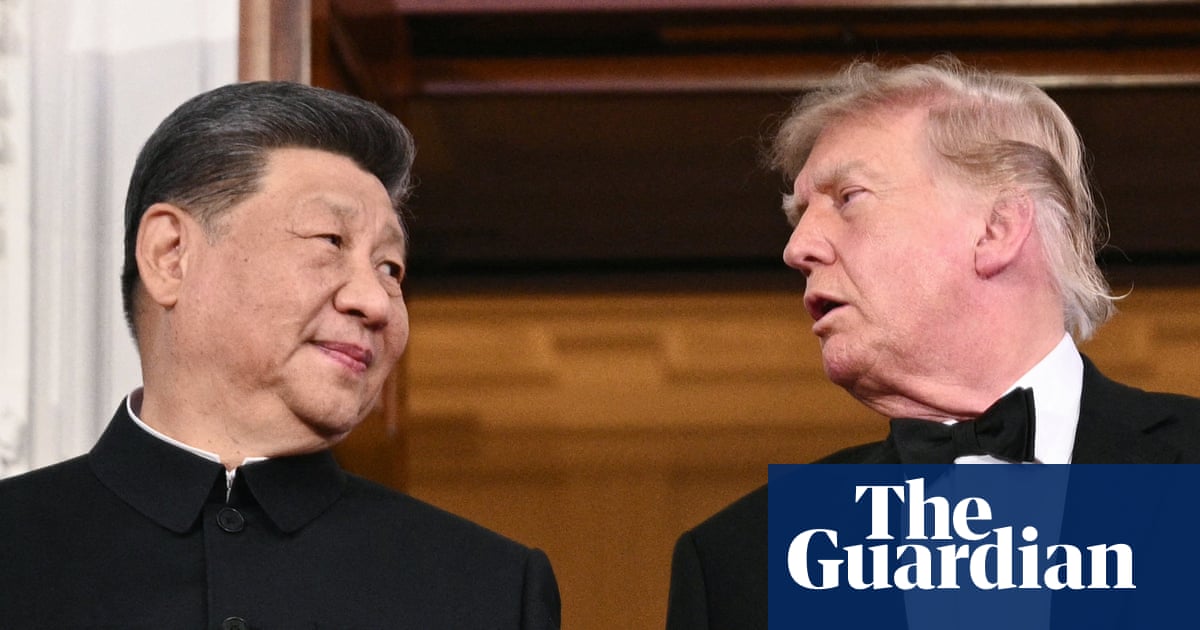
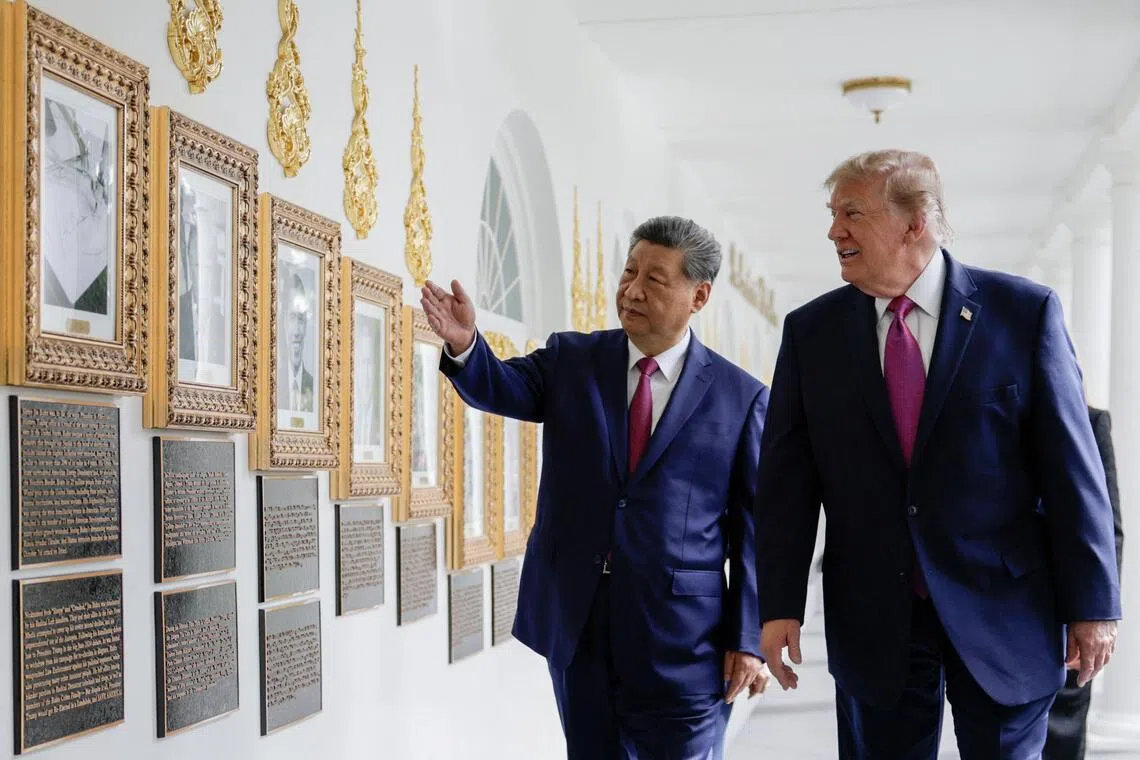
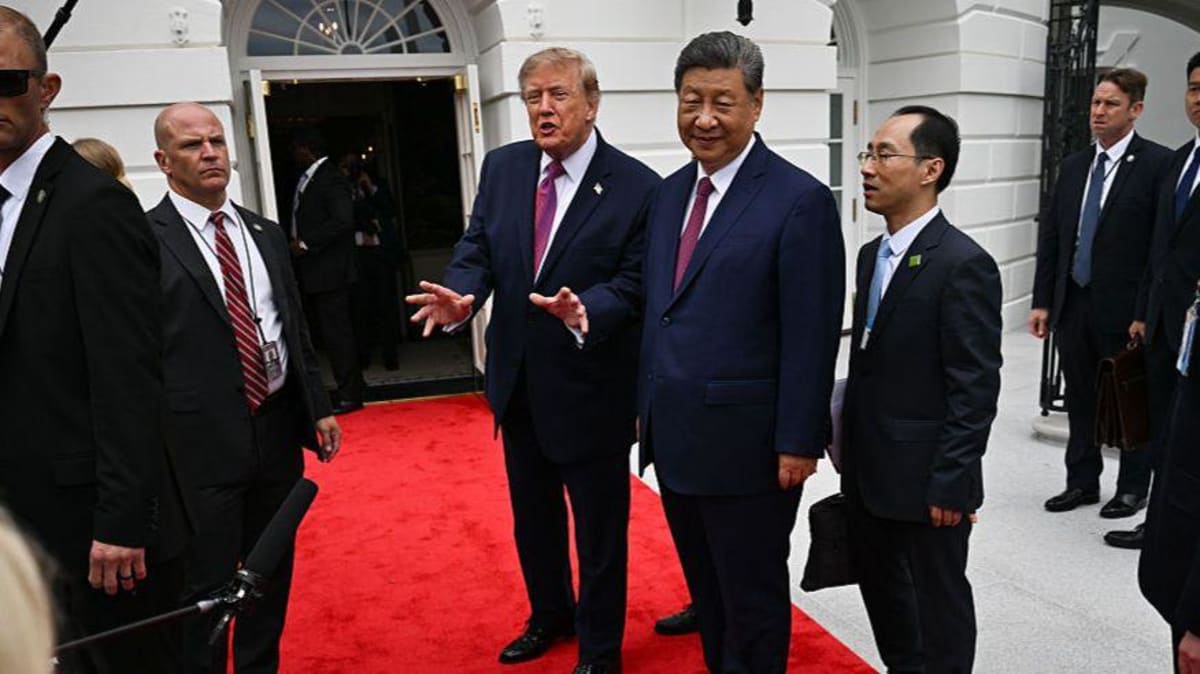
Donald Trump and Xi Jinping concluded a high-profile Washington summit on Friday without securing major breakthroughs on contentious geopolitical issues including trade, artificial intelligence, and regional security. The meeting, marking Xi’s first visit to the US capital in over a decade, combined elaborate diplomatic pageantry with roughly ninety minutes of closed-door discussions. While both leaders praised personal rapport and extended an existing economic truce, critics and analysts questioned the lack of substantive policy deliverables on critical supply chains and international conflicts.
The centerpiece of the economic outcome was a two-month renewal of the tariff-and-trade truce originally struck in Busan, South Korea, pushing the expiration date from November to January according to The Straits Times. Treasury Secretary Scott Bessent noted that the extension provides negotiators additional time to pursue a broader economic agreement. However, prominent economic observers voiced disappointment at the brief duration. Stephen Roach, a veteran economic analyst, described the two-month renewal as disappointingly short and labeled the broader summit as all show and no substance, as reported by The Straits Times.
Media additions
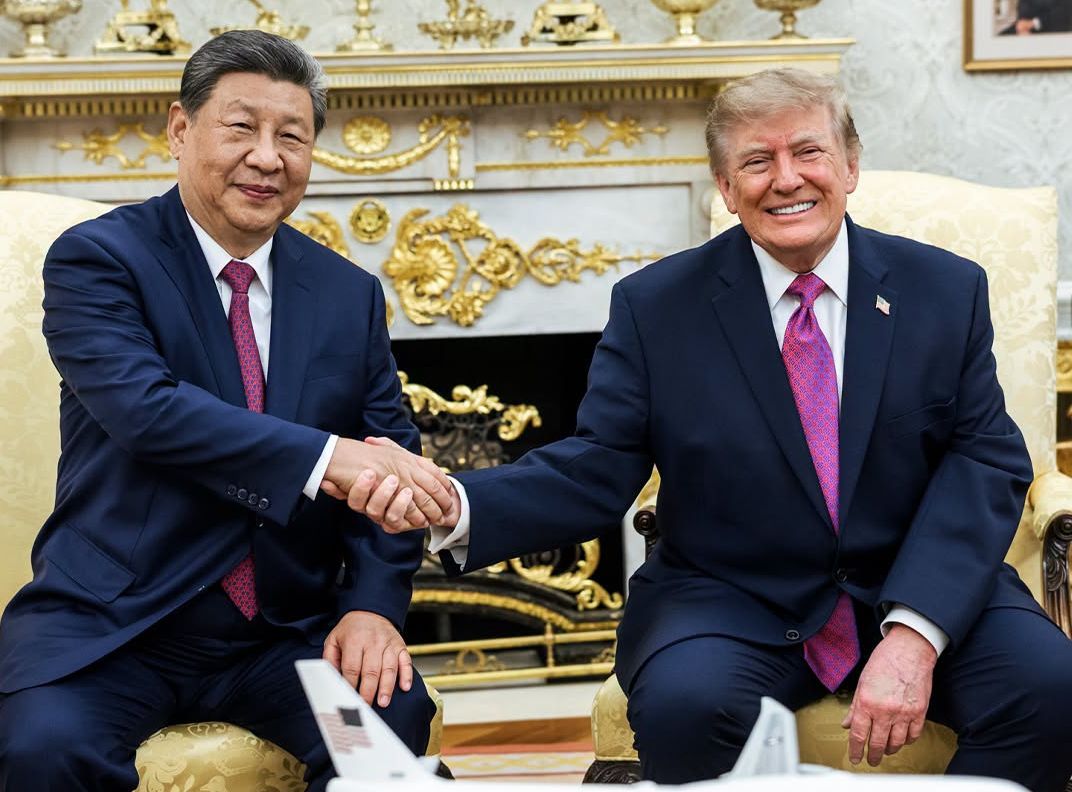
Discussions regarding artificial intelligence similarly produced no binding agreements. Trump utilized his preferred term, "super intelligence", writing on Truth Social that he wanted to leave the technology exactly where it was and suggesting a mutual lack of interest in heavy regulations. Concurrently, Xi stated during the meetings that both nations must ensure artificial intelligence development remains under human control, according to The Guardian. Academic experts noted a fundamental divide in national priorities. Robyn Klingler-Vida, a professor at King's College London, explained to the BBC via AOL that American strategy focuses heavily on existential risk and potential slowdowns, whereas China emphasizes technological acceleration and integration into the real economy.
Geopolitical friction extended to regional security and supply chains. Danny Russel, a former diplomat who served during the Obama administration, criticized the emphasis on ceremonial events over complex policy hurdles. Pandas are cute, but what America needs are rare earths
Russel said, pointing to the announcement that two giant pandas would soon arrive at Zoo Atlanta, as detailed by The Straits Times. Russel characterized the entire engagement as diplotainment
that fails to resolve underlying disputes over rare earth exports, defense, and industrial policy.
The Taiwan Strait remained a critical point of contention behind closed doors. According to a readout from the official Chinese news agency Xinhua cited by The Guardian, Xi urged Trump to oppose Taiwan independence and halt future arms sales. This pressure arrives as the Trump administration holds in abeyance a multi-billion-dollar arms package for the self-ruled island. Senate Democrats responded by releasing a statement signed by at least nineteen members of their caucus, urging the administration to immediately deliver approved security assistance and arms sales, as noted by The Guardian. Republican opposition was also vocal; Senate Armed Services Committee Chairman Roger Wicker criticized the visit, arguing that China continues to pursue regional dominance and military expansion against American interests, according to The Straits Times.
| Key Issue | Stated Position / Official Action | Analyst Assessment |
|---|---|---|
| Trade and Tariffs | Extended existing truce until January 10 | Viewed as too brief to resolve systemic imbalances |
| Artificial Intelligence | Mutual reluctance toward new regulatory frameworks | Divergent goals regarding acceleration versus safety |
| Taiwan Security | Arms package held in abeyance; Chinese demands for cessation | Significant friction involving congressional oversight |
| Rare Earths | Unresolved export restrictions and supply chain bottlenecks | Described as lacking concrete commercial commitments |
The visit broke standard protocol from the outset when Trump greeted Xi with a red carpet on the tarmac at Joint Base Andrews, marking a rare departure from traditional White House arrival ceremonies. The pageantry continued with an executive state dinner featuring prominent technology executives including Apple chief Tim Cook, Amazon founder Jeff Bezos, Alphabet leader Sundar Pichai, OpenAI chief Sam Altman, Tesla head Elon Musk, and Nvidia chief Jensen Huang, as reported by The Guardian. Major US television networks declined to broadcast the summit live in protest of earlier White House press restrictions, while demonstrators outside the gates chanted slogans audible to the assembled dignitaries.
Attention now shifts to upcoming international forums and the looming expiration of the extended trade truce. Analysts note that future interactions at multilateral gatherings, including potential summits in November and December, will serve as the next true test for whether bilateral dialogue can translate into binding policy agreements.
How significant is this development?
Contribute your assessment to the aggregated reader sentiment ledger.
Frequently Asked Questions
Key questions answered in this reportWhat is the key development in: Trump and Xi White House summit yields no breakthroughs on AI and trade?
The Washington summit between Donald Trump and Xi Jinping featured heavy ceremony and a two-month trade truce extension, but left critical disputes over artificial intelligence and Taiwan unresolved.
Why is this World development significant for the UK?
This report covers critical events in our World beat. Independent reporting monitors related UK statements, regulatory shifts, and public responses as further verified details emerge.
How was this reporting corroborated and verified?
Newsarchy UK compiles and cross-references reporting from primary reporting from theguardian.com and cross-checked wire reports. All coverage adheres to published editorial standards.
When was this report published?
This briefing was published on September 25, 2026 and is permanently cataloged in the Newsarchy UK World archives.