Ukraine hits two Russian oil refineries in long-range attacks
Ukrainian long-range strikes have hit two major oil processing facilities in Russia, prompting the US Senate to advance a bipartisan sanctions package.
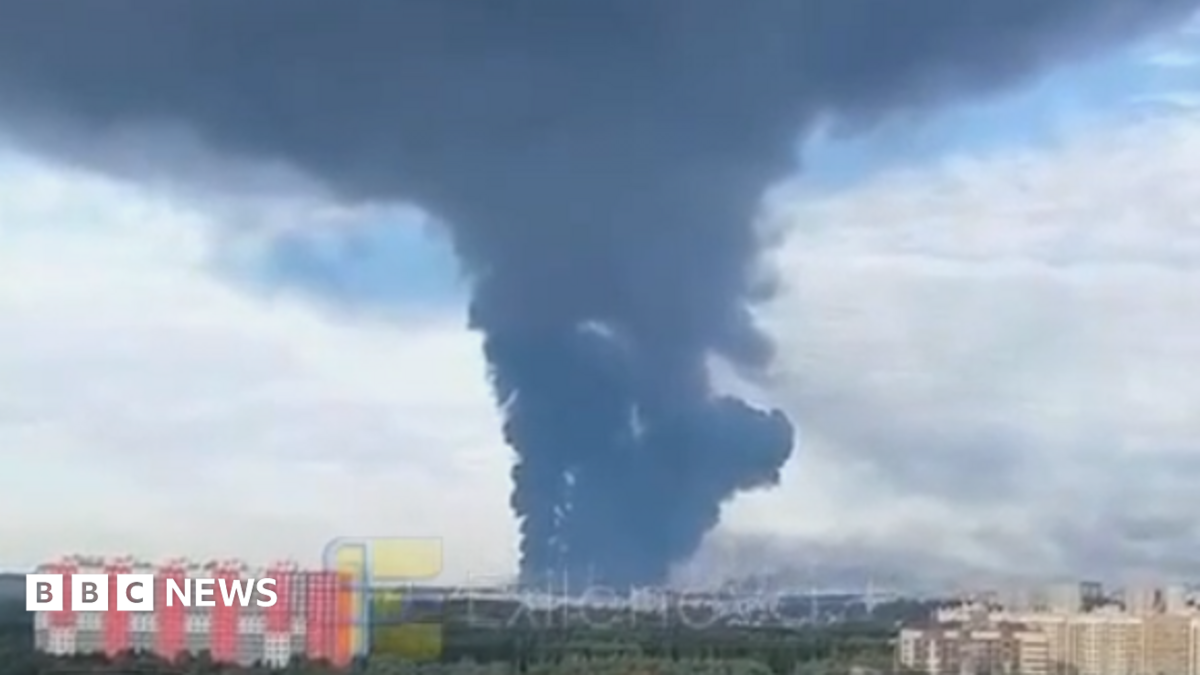
- Core Development: Ukrainian long-range strikes have hit two major oil processing facilities in Russia, prompting the US Senate to advance a bipartisan sanctions package.
- Beat Context: Categorized under World with independent corroboration.
- Reporting Depth: 4 minute analytical read synthesized from verified newsroom sources.
Long-range Ukrainian strikes have hit two major oil processing facilities deep inside Russian territory, with Ukrainian President Volodymyr Zelensky confirming the operations after local officials in the Russian city of Yaroslavl woke to huge plumes of smoke. The attacks targeted sites in Yaroslavl and Bashkortostan, sending smoke pouring over one of Russia's largest oil refineries. Local officials claimed that drones attacking the region were intercepted, but falling debris still sparked fires and damaged the refinery's storage tanks. No casualties were reported from the refinery blasts, which mark the latest in a series of repeated strikes against the facility as Kyiv attempts to disrupt Moscow's war effort and fuel production.
The industrial strikes unfolded concurrently with a wave of intense bombardments across Ukraine. Officials reported various Russian attacks, including strikes on a civilian bus and a ship carrying Ukrainian wheat. At least 11 deaths and many injuries were reported across Ukraine, while Russia stated that several people were killed in attacks across the Bryansk, Nizhny Novgorod, and Kursk regions.
Media additions

The intensifying cross-border aerial exchanges triggered immediate political fallout on Capitol Hill, following a devastating overnight missile and drone barrage on Kyiv and the surrounding region. The third major attack on the capital area that week killed 17 people and wounded more than 40. Eight people were killed at a railway station, three at a postal sorting center, and an Epicentr employee died when a logistics hub burned, while Rozetka reported its third strike of the week. Ukraine intercepted 98 of 115 drones during the assault, but none of the incoming missiles, highlighting a critical shortage of ballistic interceptors.
Following the bloodshed, American legislators faced renewed pressure over delayed military and economic support. Senator Jeanne Shaheen, the ranking Democrat on the Senate Foreign Relations Committee and a senior member of the Senate Armed Services Committee, directly linked the high civilian casualty count to sluggish deliveries of air defense interceptors and stalled congressional sanctions against Moscow.
"Every day we wait to pass our bill to impose crippling sanctions on Putin, or provide Ukraine with more air defense interceptors, means more innocent Ukrainians will senselessly die."
Sen. Jeanne Shaheen, ranking Democrat on the Senate Foreign Relations Committee, via Kyivpost
The urgency of the situation prompted the US Senate to advance a sweeping bipartisan sanctions package targeting the Kremlin's financial lifelines. The legislative measure, the Lindsey O. Graham Sanctioning Russia and Iran Act of 2026, advanced through the Senate with an 86–12 vote, demonstrating overwhelming bipartisan backing as lawmakers seek to increase economic pressure on the Kremlin.
The legislative package aims to squeeze Russia's energy and financial sectors. Key elements of the pending bill include:
- Targeting the Central Bank of Russia and state-backed projects such as Arctic LNG.
- Sanctioning Russia's "shadow fleet" of tankers used to evade restrictions on Russian energy exports.
- Authorizing the US president to impose tariffs of up to 100% on goods from nations that continue purchasing Russian oil and gas, with a primary focus on China due to its continued purchases of Russian energy.
Ukrainian leadership actively lobbied Washington for these measures. Following meetings with a bipartisan congressional delegation in Washington, Ukrainian officials and President Zelensky emphasized that cutting off the revenues sustaining Moscow's invasion is just as vital as battlefield defense. Senator Shaheen pointed to Russian battlefield losses of more than 30,000 troops a month alongside Ukraine's expanding campaign of long-range strikes against Russian energy, oil depots, logistics sites, and military-industrial facilities.
American lawmakers supporting the package argue that combining aggressive economic penalties with Ukraine's expanding campaign of long-range energy strikes is the most effective path toward forcing the Kremlin into negotiations. As Senator Shaheen stated, Vladimir Putin only understands strength and responds to pressure, and the legislation represents an opportunity to bring Russia's war machine to its knees.
Meanwhile, diplomatic efforts remain strained. As the war enters its fifth year, Ukraine's foreign minister stated that US-mediated initiatives aimed at bringing an end to the conflict appear to be on hold.
What to watch next
Further legislative action is required in the US Congress before the advanced sanctions package officially becomes law. On the ground, observers will monitor whether Ukraine continues its campaign against Russian petroleum infrastructure and if additional air defense interceptors reach the front lines to counter ongoing ballistic missile bombardments.
How significant is this development?
Contribute your assessment to the aggregated reader sentiment ledger.
Frequently Asked Questions
Key questions answered in this reportWhat is the key development in: Ukraine hits two Russian oil refineries in long-range attacks?
Ukrainian long-range strikes have hit two major oil processing facilities in Russia, prompting the US Senate to advance a bipartisan sanctions package.
Why is this World development significant for the UK?
This report covers critical events in our World beat. Independent reporting monitors related UK statements, regulatory shifts, and public responses as further verified details emerge.
How was this reporting corroborated and verified?
Newsarchy UK compiles and cross-references reporting from primary reporting from kyivpost.com and cross-checked wire reports. All coverage adheres to published editorial standards.
When was this report published?
This briefing was published on August 6, 2026 and is permanently cataloged in the Newsarchy UK World archives.