Ukraine resumes Russian oil refinery strikes after defying US energy ceasefire
Volodymyr Zelenskyy has ordered the resumption of long-range strikes against Russian oil infrastructure, ending a brief energy ceasefire amid escalating technological and diplomatic tensions.
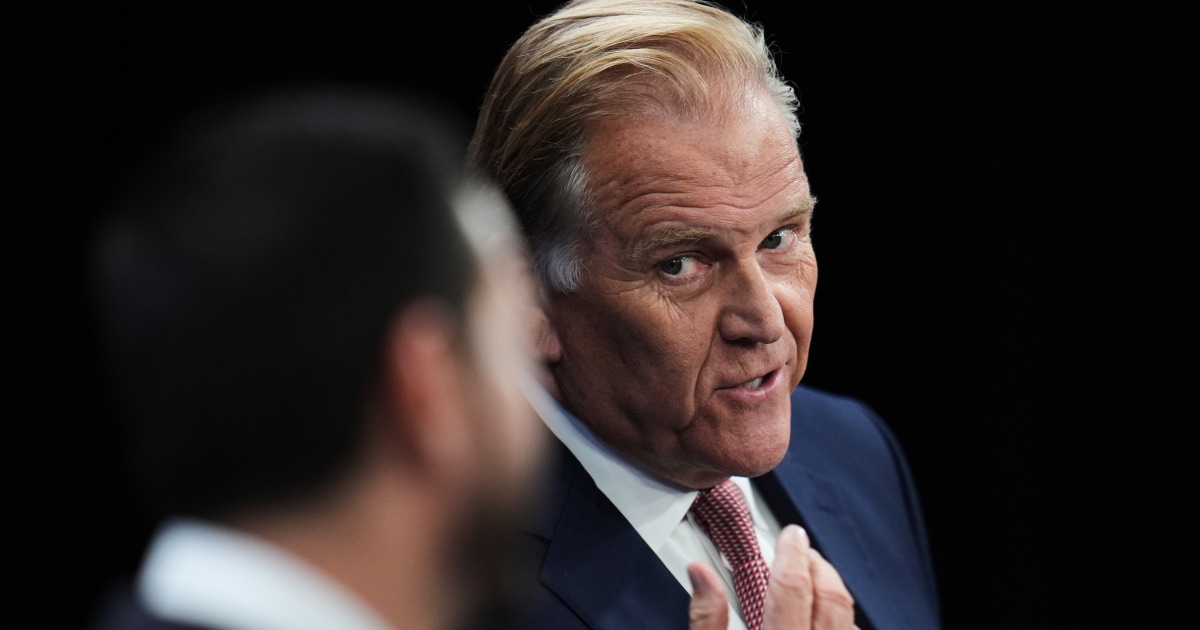
- Core Development: Volodymyr Zelenskyy has ordered the resumption of long-range strikes against Russian oil infrastructure, ending a brief energy ceasefire amid escalating technological and diplomatic tensions.
- Beat Context: Categorized under World with independent corroboration.
- Reporting Depth: 4 minute analytical read synthesized from verified newsroom sources.
Ukrainian President Volodymyr Zelenskyy has officially ordered the resumption of long-range drone and missile strikes against Russian oil infrastructure, abruptly shattering a fragile, short-lived moratorium proposed by Washington. The dramatic reversal follows a tense escalation in geopolitical friction between Kyiv and the White House, with Ukrainian leadership accusing American officials of weaponising critical battlefield technology and intelligence access to force political compliance. As Bloomberg Tax reports, the breakdown stems from a spiraling confrontation over US restrictions on intelligence assistance and satellite communications.
The sequence of events unravelled rapidly after US President Donald Trump announced a unilateral energy ceasefire. According to AOL, Kyiv initially complied by holding off on refinery attacks for three days at Washington's behest. However, Ukrainian officials charged that Moscow immediately ignored the proposed terms, launching relentless aerial bombardments that left hundreds of thousands of civilians without power. Kremlin spokesperson Dmitry Peskov offered a dismissive public response to the proposed truce, asking pointedly what boundaries and terms were actually specified. Informed observers noted that the Kremlin never formally agreed to the deal.
Media additions

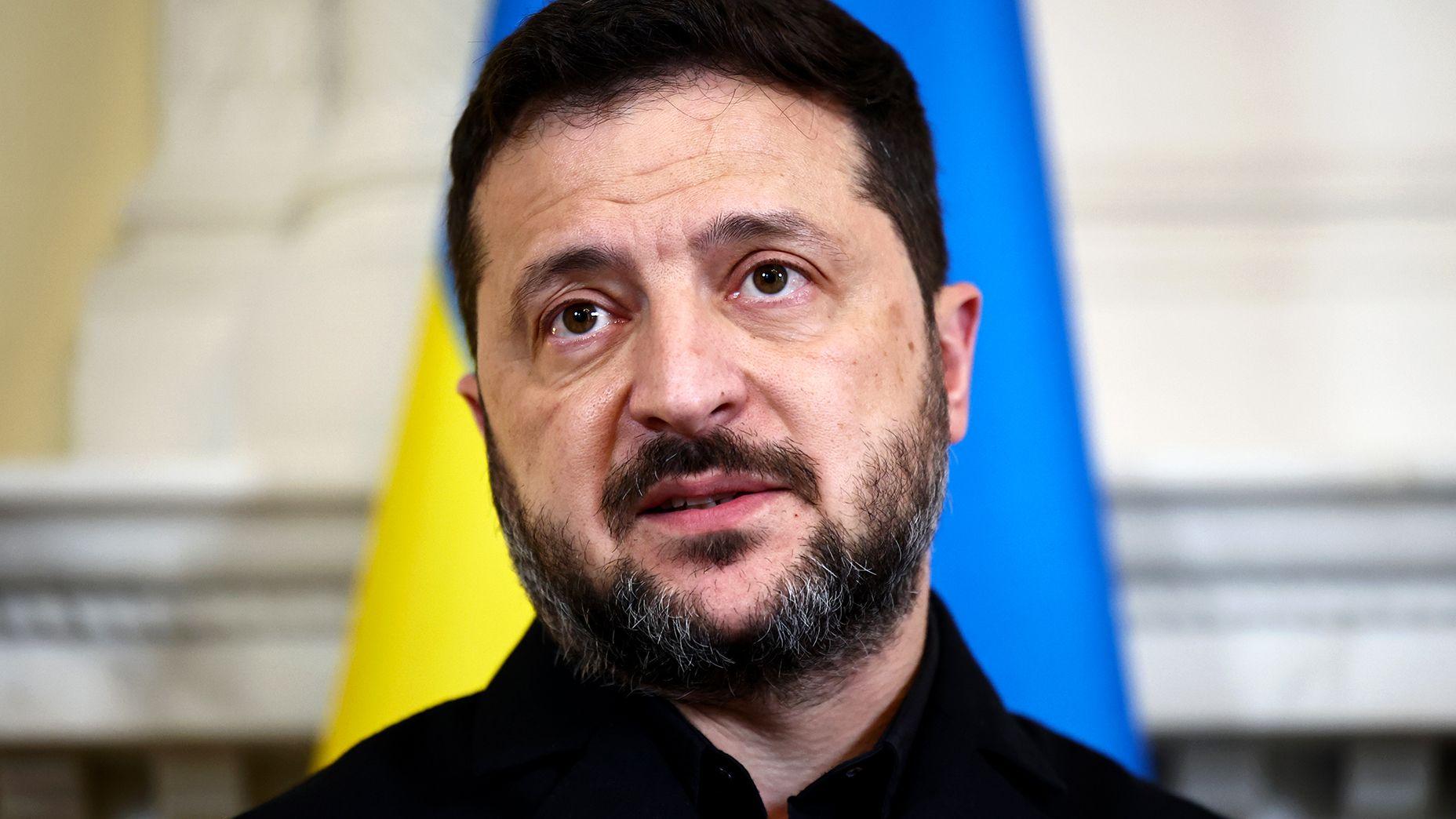

Frustration in Kyiv boiled over as simultaneous disruptions hit vital technological lifelines. Ukrainian military units reported a sudden speed restriction and throttling of Starlink satellite uplinks, which underpin front-line communications and drone guidance systems. While billionaire owner Elon Musk suggested via social media that the restrictions were dictated by the US military and the White House, Ukrainian officials maintained the intervention was deliberate political pressure. Compounding the crisis, Kyiv accused Washington of pulling back on early-warning intelligence sharing regarding incoming Russian missile strikes. Zelenskyy told the Financial Times that American counterparts explicitly warned that intelligence would be blocked entirely unless the refinery strikes ceased. Hours after the freeze was lifted, a fire broke out at a major oil refinery in the western Ryazan region following an interception of drones and missiles, as confirmed by regional governor Pavel Malkov and Russian defense officials.
| Metric / Event | Ukrainian / European Account | US / Russian Context |
|---|---|---|
| Energy Ceasefire Duration | Three days of voluntary compliance by Kyiv before termination | Announced unilaterally by Washington amid global energy market pressures |
| Refinery Attack Intensity | 12 major facilities struck in September alone per Ukrainian defense data | Targeted by Kyiv to cripple export revenues funding Moscow's military operations |
| Satellite Communications | Sudden speed limits imposed on Starlink/Starshield uplinks, disrupting drone operations | Musk stated limitations were directed by the US government and military |
| Civilian Impact | Hundreds of thousands left without power following retaliatory Russian grid strikes | Kremlin questions the validity and geographical boundaries of the announced energy truce |
The diplomatic fallout has triggered sharp divisions across the international community. European Union High Representative Kaja Kallas strongly defended Kyiv's strategy during an exclusive interview with Euronews, as reported by Aol. Kallas asserted that hitting refineries falls squarely within the boundaries of international self-defense, noting that petroleum revenues constitute the primary financial backing for the ongoing conflict. International Energy Agency data underscores the scale of the campaign, indicating that nearly all of Russia's major refineries have faced drone targeting since the invasion began. Meanwhile, tensions were further inflamed by a separate agreement negotiated to release hundreds of thousands of tonnes of Russian diesel to the global marketplace, a move designed to lower domestic fuel prices ahead of US midterm elections but criticized in Kyiv as indirect funding of the Kremlin's war machine.
Amid the strain in transatlantic relations, European capitals moved swiftly to reaffirm solidarity. Ukrainian President Zelenskyy travelled to London, where he received a red-carpet welcome and a warm embrace from UK Prime Minister Andy Burnham in Downing Street, as detailed by LBC. Burnham characterized the prior diesel arrangement as a dark moment and pledged that British backing would remain unshakeable, announcing an accelerated delivery schedule for lightweight multirole missiles. The UK visit also included an audience with King Charles at Buckingham Palace.
Developments in this fast-moving confrontation are expected to take center stage at the upcoming European leaders' summit in Brussels. With military service terminals reportedly restored according to Ukrainian Defense Ministry sources cited by the BBC, and Kyiv conditioning any future pause on the delivery of advanced US Patriot air defense systems to replace depleted stockpiles, the conflict enters a volatile new phase.
How significant is this development?
Contribute your assessment to the aggregated reader sentiment ledger.
Frequently Asked Questions
Key questions answered in this reportWhat is the key development in: Ukraine resumes Russian oil refinery strikes after defying US energy ceasefire?
Volodymyr Zelenskyy has ordered the resumption of long-range strikes against Russian oil infrastructure, ending a brief energy ceasefire amid escalating technological and diplomatic tensions.
Why is this World development significant for the UK?
This report covers critical events in our World beat. Independent reporting monitors related UK statements, regulatory shifts, and public responses as further verified details emerge.
How was this reporting corroborated and verified?
Newsarchy UK compiles and cross-references reporting from primary reporting from NBC News and cross-checked wire reports. All coverage adheres to published editorial standards.
When was this report published?
This briefing was published on October 15, 2026 and is permanently cataloged in the Newsarchy UK World archives.