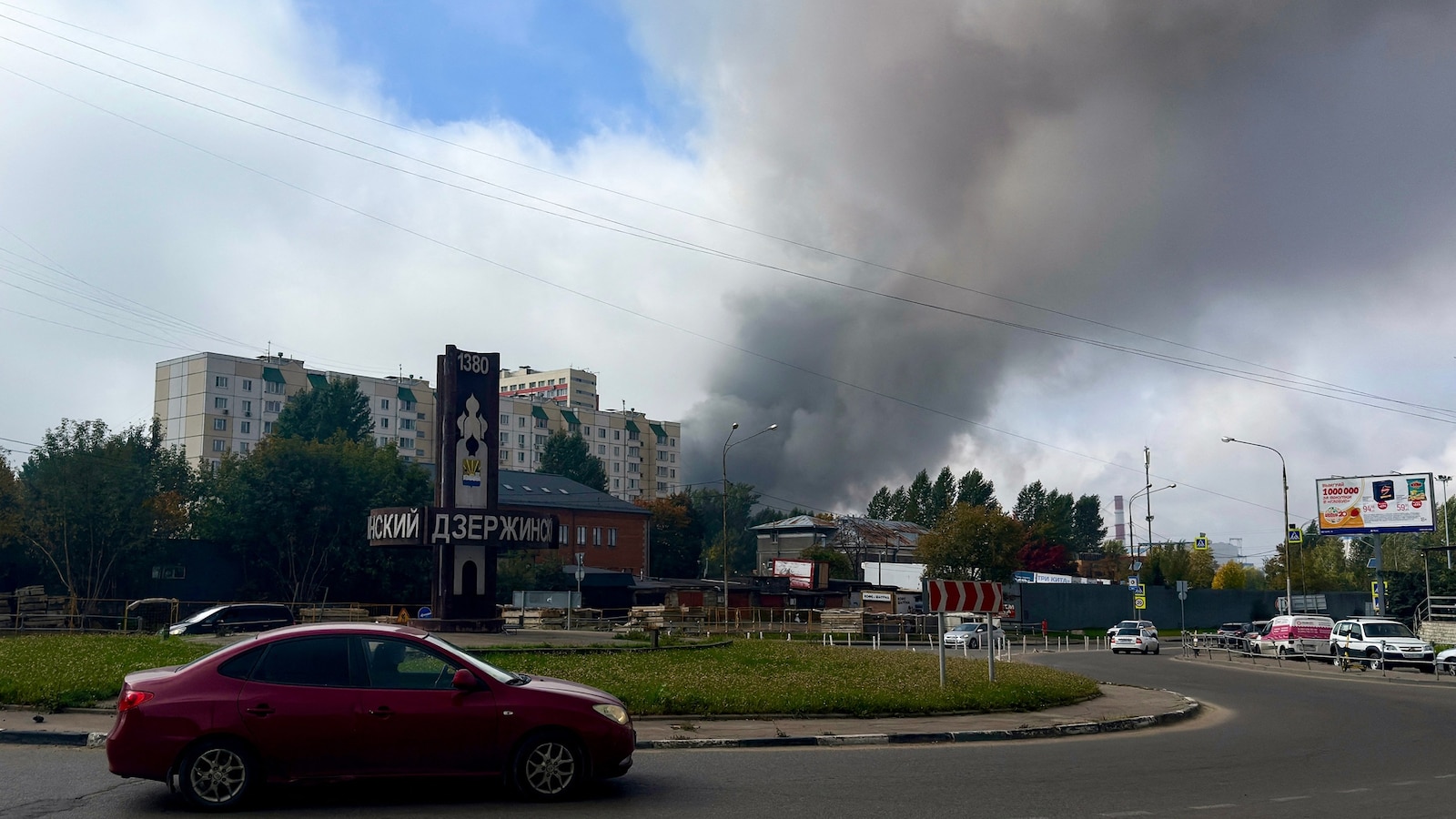
Ukraine strikes Iranian cargo ship as Kyiv and Middle East wars converge
Ukraine has targeted ships transporting military cargo in the Caspian Sea, marking a convergence between European and Middle Eastern conflicts as Tehran weighs retaliation.

- Core Development: Ukraine has targeted ships transporting military cargo in the Caspian Sea, marking a convergence between European and Middle Eastern conflicts as Tehran weighs retaliation.
- Beat Context: Categorized under World with independent corroboration.
- Reporting Depth: 3 minute analytical read synthesized from verified newsroom sources.
Global conflicts are shifting into a singular geopolitical confrontation as Ukrainian military actions intersect with ongoing hostilities across the Middle East. Recent diplomatic travels to Washington by international leaders highlight how regional battlefields in Europe and the Gulf are fusing into a broader strategic landscape.
The operational links between these distant fronts are well documented by Nypost reporting, which outlines how Moscow relies on thousands of Iranian-designed Shahed drones and short-range ballistic missiles. Ukrainian intelligence previously identified Islamic Revolutionary Guard Corps officers in occupied Crimea assisting Russian operations, while Tehran helped establish a production facility inside Russia's Republic of Tatarstan. Meanwhile, China underwrites the partnership by purchasing a vast majority of Iran's oil exports and supplying dual-use manufacturing technologies essential to Iranian missile and drone production. Russia's invasion of Ukraine depends heavily on Iran, and every successful strike reduces Russian battlefield capacity while exposing the network connecting Moscow, Tehran, and Beijing.
Media additions
Ukraine has increasingly targeted these logistics networks. Kyiv announced it had struck ships transporting Iranian-linked military cargo in the Caspian Sea. Iranian Foreign Minister Abbas Araghchi alleged that the action actually hit an Iranian commercial vessel and killed a sailor, warning that the attack would not go unanswered. While Tehran initially summoned a Ukrainian diplomat for a reprimand, experts suggest military retaliation is approaching.
Ellie Geranmayeh of the European Council on Foreign Relations warned Theamericanconservative that Ukraine pushed the envelope and that Iran's new leadership possesses a higher risk appetite. Geranmayeh noted that Tehran understands it must calibrate its response to avoid opening a direct war front with Europe, though miscalculations remain a constant danger.
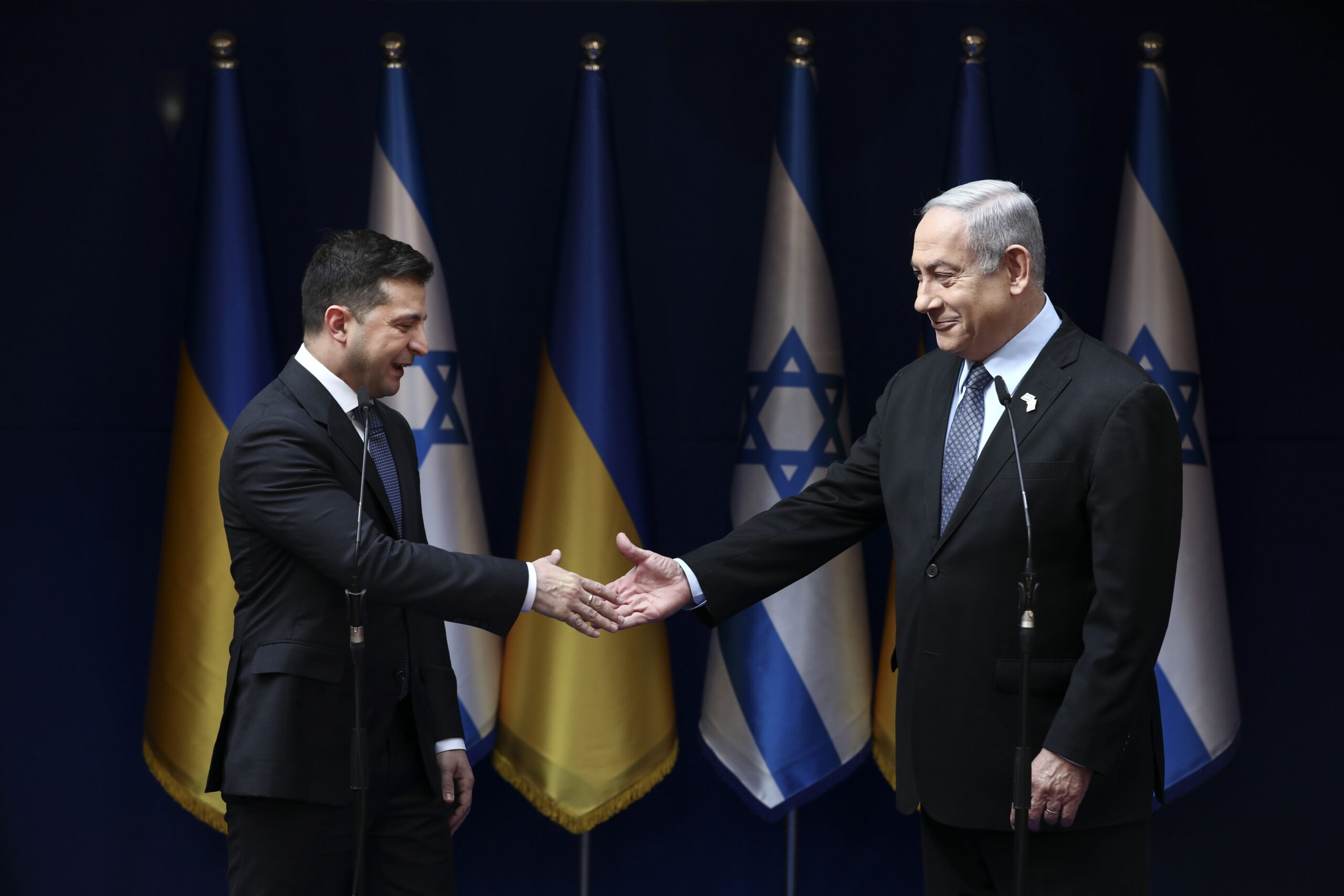
The timing of the Caspian Sea strike coincided with high-stakes diplomacy in Washington, where Ukrainian President Volodymyr Zelensky and Israeli Prime Minister Benjamin Netanyahu held back-to-back meetings with President Donald Trump, as reported by Theamericanconservative and Nypost. Analysts argue that leaders are actively attempting to merge the conflicts to secure sustained Western backing. Trita Parsi of the Quincy Institute cautioned that the merger strategy aims to draw America and European nations deeper into overlapping engagements.
Zelensky captured the underlying overlap during his remarks, stating that Ukrainians are resisting the same category of terrorist attacks involving ballistic missiles and drones that the Iranian regime deploys in the Middle East and Gulf region. Furthermore, Ukraine signed a defense agreement with Saudi Arabia and Gulf partners to share battlefield experience countering Iranian drones, acknowledging that the same weapons striking Ukrainian cities threaten Gulf infrastructure and Israel.
Trita Parsi warned that Zelensky is trying to merge the two conflicts to make America a belligerent in the Ukraine war, while also noting that the merger achieves several objectives for Netanyahu by bringing Europeans into the war and reframing the conflict around defending Ukraine rather than solely defending Israel. Meanwhile, European leaders have demurred on American requests to help fight Iran for fear of provoking Iranian strikes on their countries, though a military response by Iran against Ukraine could alter that calculus.
What to watch next
- Potential military retaliation by Iran against Ukrainian targets following the Caspian Sea maritime strike.
- Upcoming parliamentary elections in Russia and subsequent force mobilization patterns.
- Shifting European alignment regarding American requests for assistance in countering Iranian networks.
How significant is this development?
Contribute your assessment to the aggregated reader sentiment ledger.
Frequently Asked Questions
Key questions answered in this reportWhat is the key development in: Ukraine strikes Iranian cargo ship as Kyiv and Middle East wars converge?
Ukraine has targeted ships transporting military cargo in the Caspian Sea, marking a convergence between European and Middle Eastern conflicts as Tehran weighs retaliation.
Why is this World development significant for the UK?
This report covers critical events in our World beat. Independent reporting monitors related UK statements, regulatory shifts, and public responses as further verified details emerge.
How was this reporting corroborated and verified?
Newsarchy UK compiles and cross-references reporting from primary reporting from nypost.com and cross-checked wire reports. All coverage adheres to published editorial standards.
When was this report published?
This briefing was published on July 29, 2026 and is permanently cataloged in the Newsarchy UK World archives.