China, US agree to AI dialogue, tariff cuts on $42b in goods during Xi Jinping summit
Following a presidential summit in Washington, the US and China agreed to reciprocal tariff cuts on $30 billion of goods and established an AI incident channel.
- Core Development: Following a presidential summit in Washington, the US and China agreed to reciprocal tariff cuts on $30 billion of goods and established an AI incident channel.
- Beat Context: Categorized under World with independent corroboration.
- Reporting Depth: 4 minute analytical read synthesized from verified newsroom sources.
The United States and China have struck a concrete economic accord, agreeing to reduce reciprocal tariffs on thirty billion dollars worth of non-sensitive goods in each direction following a high-stakes presidential gathering in Washington, according to announcements from both governments.
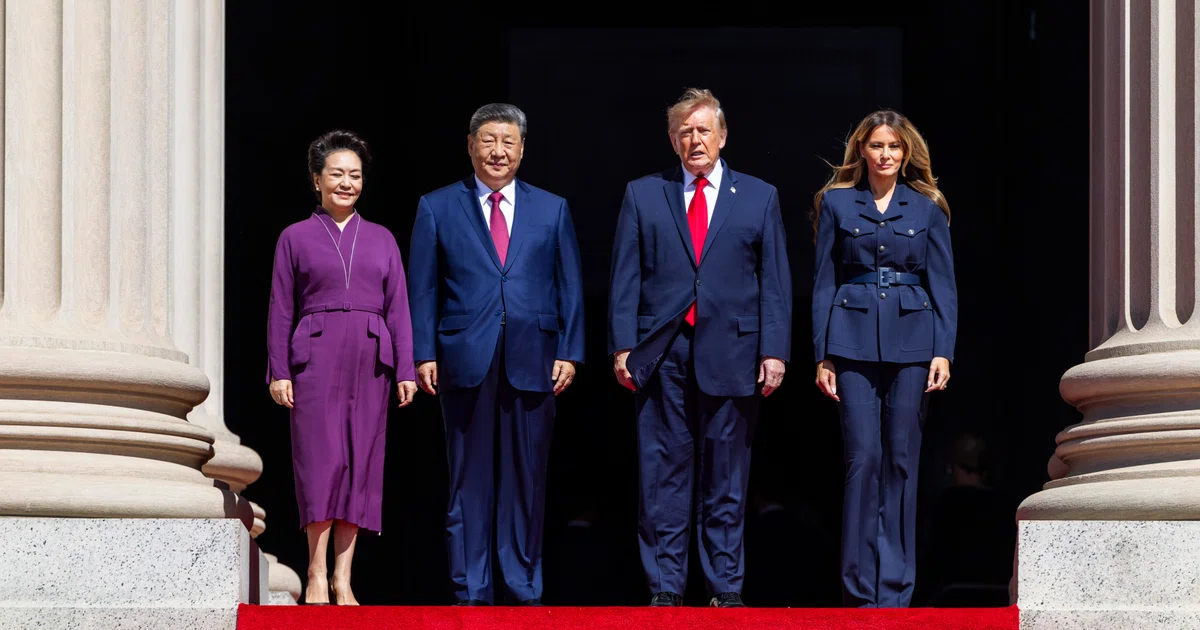
The agreements emerged from a three-day summit hosted by President Donald Trump for Chinese President Xi Jinping, a visit that officials and observers noted emphasized personal diplomacy over sweeping public breakthroughs (Abc). Nevertheless, official statements from both the White House and the Chinese Foreign Ministry confirmed concrete mechanisms to manage technological friction and trade flows.
Media additions


The tariff reductions target specific trade sectors in both economies. White House statements detailed that US exports benefiting from the arrangement include agricultural goods, wood, and cosmetics, while US imports from China covering small appliances, toys, and decorations will receive more favorable treatment (Businesstimes). Concurrently, the two nations agreed to establish a bilateral trade council and to implement outcomes stemming from previous negotiations held in Kuala Lumpur, as noted by the Chinese Foreign Ministry (Thehindu).
This economic thawing builds upon an earlier decision by Washington and Beijing to extend an existing trade truce. US Treasury Secretary Scott Bessent explained that the temporary truce extension provides additional breathing room for negotiators to pursue a broader, more comprehensive trade pact (Sana). In tandem with these trade measures, the summit addressed physical supply chains. The Trump administration noted that the two sides tackled American concerns regarding rare earths supply, securing a goal to return shipment levels to appropriate volumes, alongside a commitment from Beijing to import a minimum of ten million metric tons of US coal across subsequent years (DW.com).
On artificial intelligence, the two superpowers agreed to institute a dedicated communication channel to handle AI-related safety incidents and to convene formal discussions regarding the risks and benefits of the technology (Sbs). A striking semantic development accompanied the diplomatic engagement: both administrations agreed to utilize the term "super intelligence" instead of "artificial intelligence" in official parlance (India Today). Chinese authorities formally communicated that Beijing valued Washington's adoption of the new nomenclature, viewing it as a step toward fostering constructive exchanges as technological capabilities advance (Thejakartapost).
Beyond bilateral commerce and technology, the leaders touched upon pressing geopolitical flashpoints and scheduled future diplomatic engagements. Both nations concurred that Iran must fulfill its standing commitments to forgo the development of nuclear weapons (CNBC). Furthermore, the leaders aligned on the principle that no country or entity should impose transit tolls on international waterways, addressing security concerns surrounding critical maritime trade routes (Mezha.net).
| Agreement Area | Details & Scope | Next Steps |
|---|---|---|
| Tariff Reductions | Reciprocal cuts covering $30 billion of non-sensitive goods in each direction (spanning agricultural products, wood, cosmetics, small appliances, toys, and decorations). | Implementation via newly established trade council and continued extension of prior Kuala Lumpur talks. |
| Artificial Intelligence | Launch of risk-and-benefit dialogue, creation of an incident communication channel, and formal adoption of the "super intelligence" terminology. | Next round of structured discussions scheduled for November. |
| Trade Truce Extension | Extension of existing bilateral trade truce to allow runway for a broader trade agreement. | Ongoing negotiations overseen by US Treasury Secretary Scott Bessent. |
Chinese Foreign Minister Wang Yi praised the outcomes in an official statement, describing the engagement as a historic milestone that reinforced bilateral stability and would exert a far-reaching influence on global peace and development. Following the conclusion of the three-day meetings in Washington, President Xi Jinping departed for Beijing, where his safe arrival was confirmed by state news agency Xinhua (Abc).
What to Watch Next
- November 2026: The next round of bilateral artificial intelligence safety and risk discussions will convene, alongside the Asia-Pacific Economic Cooperation leaders' meeting in Shenzhen, China (Abc).
- December 2026: President Xi Jinping is expected to travel back to the United States for the Group of Twenty summit, slated to be hosted at the Trump National Doral Miami golf club in Florida (Abc, DW.com).
For ongoing updates on international diplomatic developments, consult our World coverage section.
How significant is this development?
Contribute your assessment to the aggregated reader sentiment ledger.
Frequently Asked Questions
Key questions answered in this reportWhat is the key development in: China, US agree to AI dialogue, tariff cuts on $42b in goods during Xi Jinping summit?
Following a presidential summit in Washington, the US and China agreed to reciprocal tariff cuts on $30 billion of goods and established an AI incident channel.
Why is this World development significant for the UK?
This report covers critical events in our World beat. Independent reporting monitors related UK statements, regulatory shifts, and public responses as further verified details emerge.
How was this reporting corroborated and verified?
Newsarchy UK compiles and cross-references reporting from primary reporting from thejakartapost.com and cross-checked wire reports. All coverage adheres to published editorial standards.
When was this report published?
This briefing was published on September 27, 2026 and is permanently cataloged in the Newsarchy UK World archives.