US and Iran hold indirect talks via Oman as military pause enters third day
As a military pause between the United States and Iran enters its third day, Omani intermediaries are brokering indirect talks focused on the Strait of Hormuz.
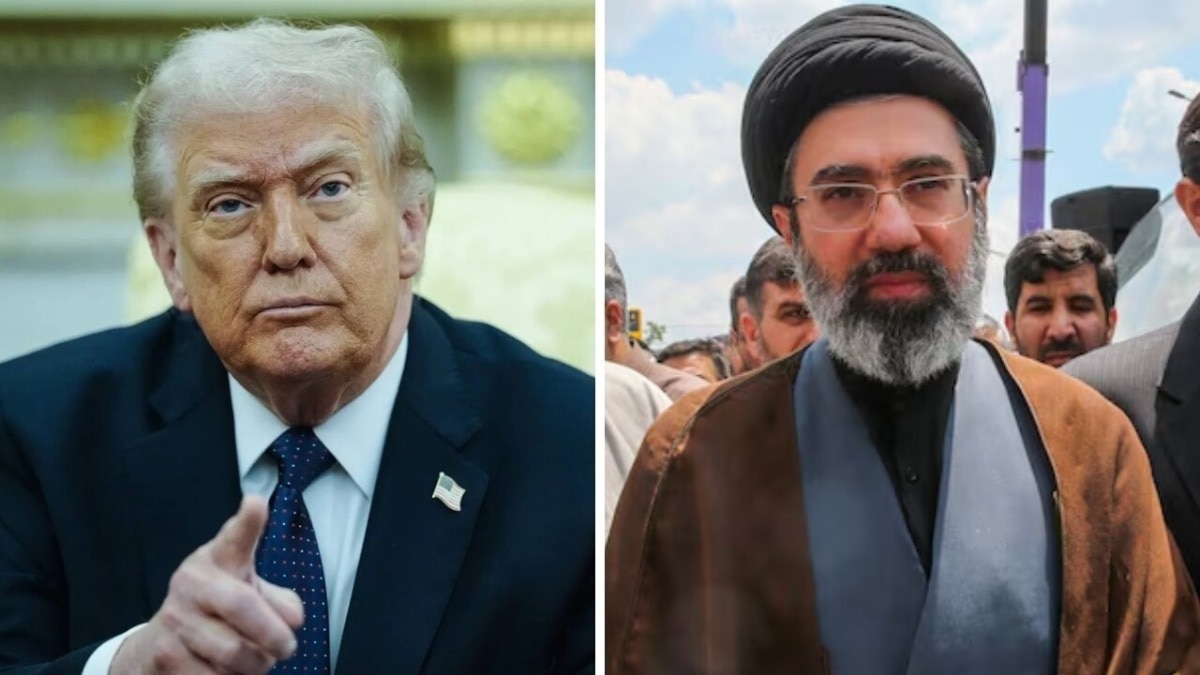
- Core Development: As a military pause between the United States and Iran enters its third day, Omani intermediaries are brokering indirect talks focused on the Strait of Hormuz.
- Beat Context: Categorized under World with independent corroboration.
- Reporting Depth: 3 minute analytical read synthesized from verified newsroom sources.
The military pause between the United States and Iran entered its third day on Monday, creating a critical diplomatic opening as reported by Livemint. This lull follows a stretch of 13 consecutive nights of American airstrikes and subsequent Iranian retaliatory operations according to Cryptobriefing. The pause has offered a momentary reprieve to global energy markets and risk assets, though peripheral conflicts continue to flare across the region.
Diplomatic efforts are currently channeled through intermediaries noted Livemint, with Oman acting as the principal mediator as detailed by Livemint. Omani officials traveled to Tehran to broker talks focused primarily on navigation safety in the Strait of Hormuz and broader de-escalation noted Cryptobriefing. Iranian foreign ministry spokesperson Esmail Baghaei confirmed that discussions were underway and described them as useful, while maintaining that Tehran was not engaged in direct talks with Washington according to Livemint. Baghaei also explicitly rejected reports that Iran had agreed to a 10-day ceasefire reported Livemint.
Media additions
US Ambassador to the United Nations Mike Waltz confirmed the rationale for the halt, stating that the administration was giving the ongoing talks room to breathe according to Business Today. Waltz noted that negotiations have involved personnel at levels ranging from technical experts to senior officials reported Business Today. Meanwhile, a senior Iranian source told NBC News that Tehran's stance remains an attack-for-attack policy, adding that skepticism persists within Iran regarding whether the US pause is genuine or merely tactical noted NBC News. Waltz also pointed to internal divisions in Tehran, stating that some factions look to the supreme leader while others want a different direction reported NBC News.
Behind the diplomatic push lie pressing strategic concerns. Senior officials advised President Donald Trump that the bombing campaign had reached the limits of its effectiveness according to Livemint. Furthermore, Vice President JD Vance and Gen. Dan Caine raised concerns with Trump regarding dwindling US munitions stockpiles reported NBC News. Despite the suspension of airstrikes, the US military maintained that its reimposed naval blockade against Iran remains fully active stated NBC News.
The conflict's epicenter remains the Strait of Hormuz, a crucial transit lane for global oil supplies reported Livemint. A regional official involved in mediation noted that both nations desire a return to an interim agreement signed earlier, with compromise centering on Iran managing vessel transit through the waterway under fewer restrictions according to Business Today. Despite the diplomatic engagement, maritime traffic through the strait hit a three-week low stated Business Today, and Baghaei affirmed that the waterway remains closed reported Livemint.
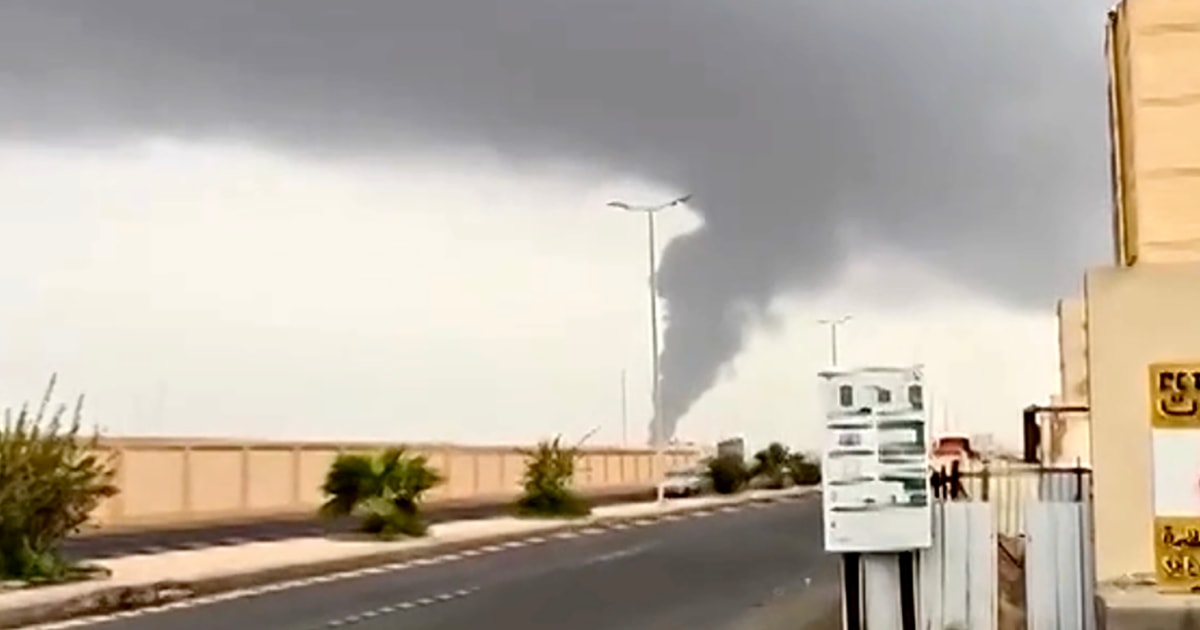
While direct exchanges between Washington and Tehran paused, regional flashpoints widened over the weekend reported NBC News. Yemen’s Iran-backed Houthi movement targeted Saudi oil facilities in Jizan and Yanbu along the Red Sea coast noted NBC News, prompting retaliatory strikes by Saudi-backed government forces in Yemen stated NBC News. Simultaneously, Iran's Foreign Ministry accused Ukraine of launching a hostile attack on an Iranian commercial vessel in the Caspian Sea, summoning the Ukrainian chargé d’affaires to protest reported NBC News, as Ukrainian President Volodymyr Zelenskyy alleged Russia was sharing regional satellite data with Iran noted NBC News.
What to watch next
- Israeli Prime Minister Benjamin Netanyahu is scheduled to travel to Washington to meet with President Trump to discuss regional strategy and Iran's nuclear programme reported Business Today.
- Omani intermediaries continue pushing for an agreement regarding the reopening of the Strait of Hormuz noted Livemint.
Broader diplomatic progress continues to face steep hurdles. Core disputes including Iran's nuclear development, international sanctions, support for regional proxies, and long-term Gulf security arrangements remain largely unaddressed while mediators concentrate exclusively on immediate navigation safety reported Livemint.
How significant is this development?
Contribute your assessment to the aggregated reader sentiment ledger.
Frequently Asked Questions
Key questions answered in this reportWhat is the key development in: US and Iran hold indirect talks via Oman as military pause enters third day?
As a military pause between the United States and Iran enters its third day, Omani intermediaries are brokering indirect talks focused on the Strait of Hormuz.
Why is this World development significant for the UK?
This report covers critical events in our World beat. Independent reporting monitors related UK statements, regulatory shifts, and public responses as further verified details emerge.
How was this reporting corroborated and verified?
Newsarchy UK compiles and cross-references reporting from primary reporting from nbcnews.com and cross-checked wire reports. All coverage adheres to published editorial standards.
When was this report published?
This briefing was published on July 27, 2026 and is permanently cataloged in the Newsarchy UK World archives.