Israel and US consider Iran land blockade
The United States and Israel are weighing a potential land blockade of Iran to deepen the country's economic isolation, though experts highlight major hurdles.
- Core Development: The United States and Israel are weighing a potential land blockade of Iran to deepen the country's economic isolation, though experts highlight major hurdles.
- Beat Context: Categorized under World with independent corroboration.
- Reporting Depth: 4 minute analytical read synthesized from verified newsroom sources.
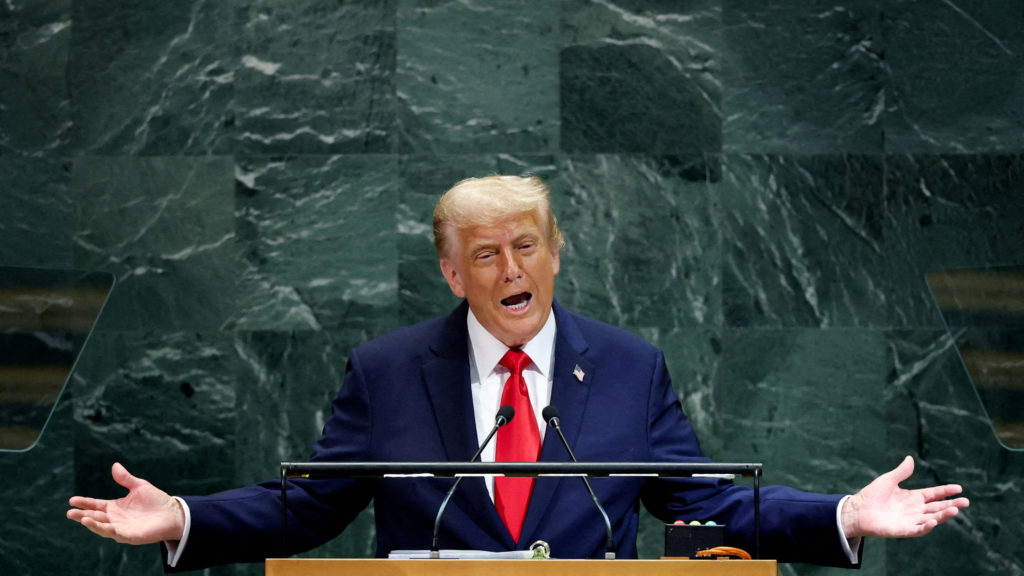
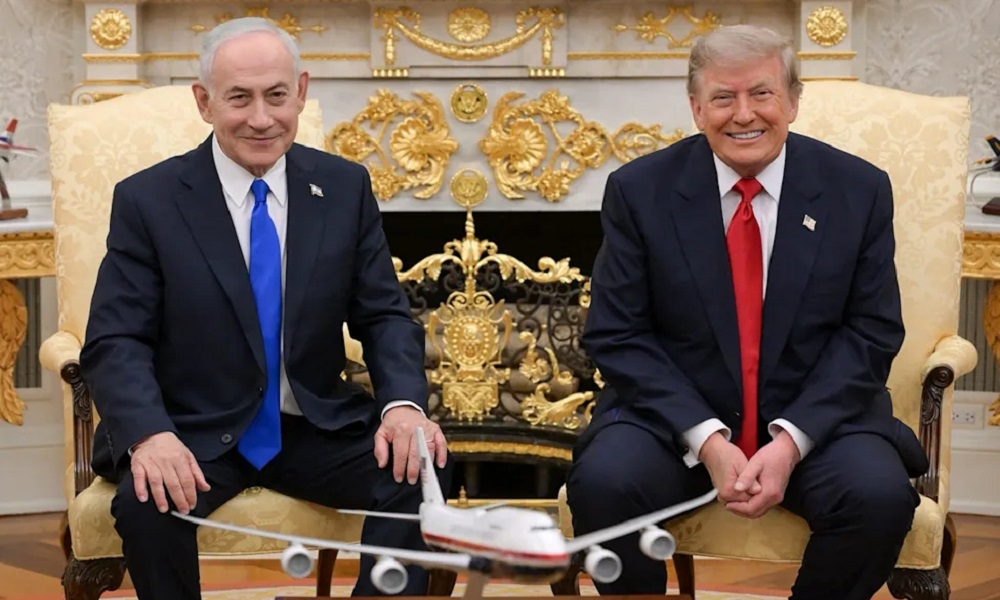
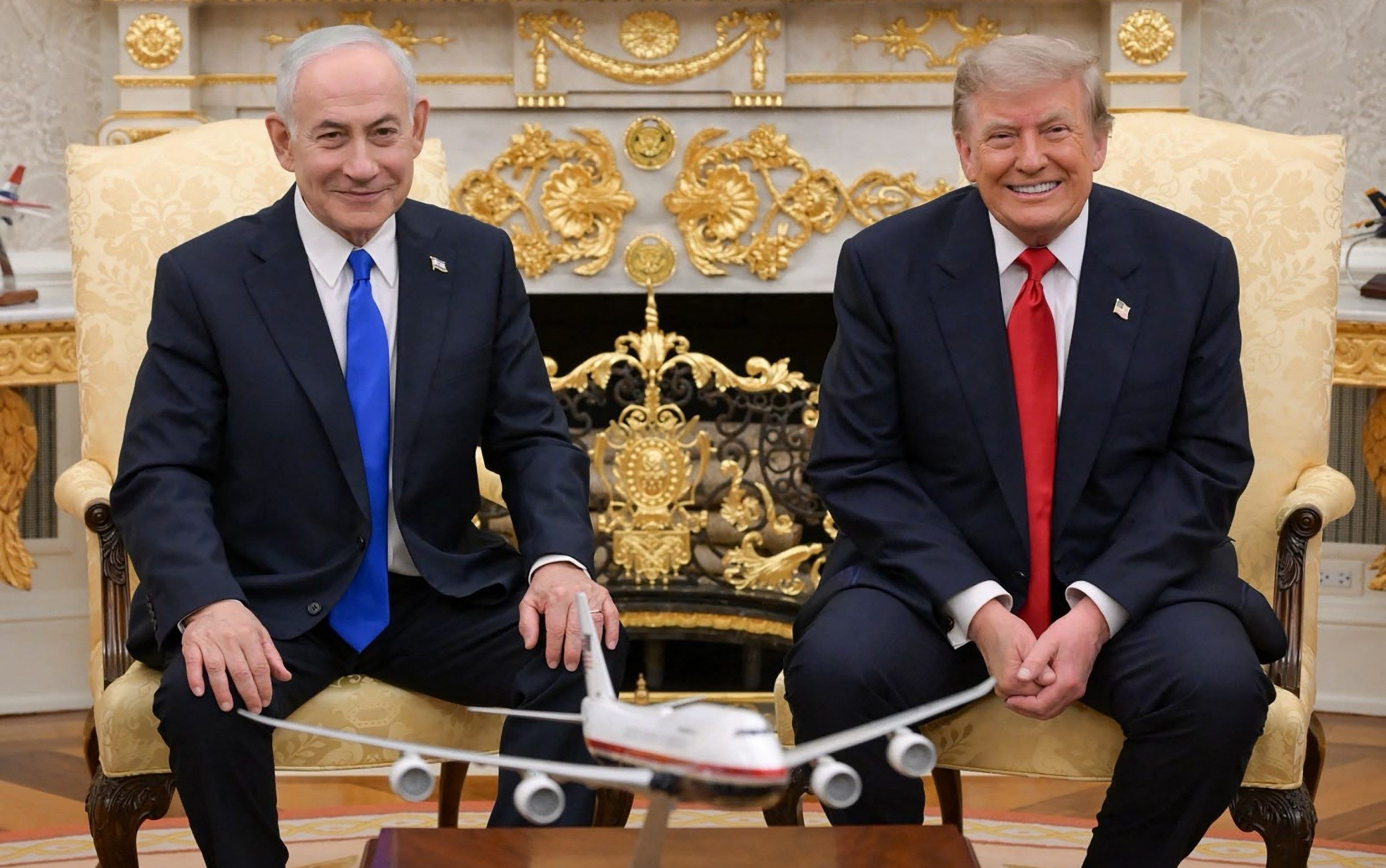
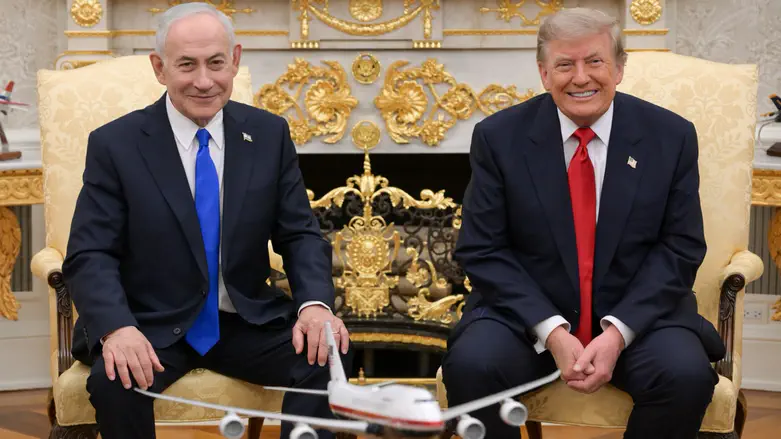
The United States and Israel are weighing a potential land blockade of Iran as part of an escalating campaign to increase economic pressure on Tehran. According to Malaysia News Yahoo, the proposal emerged as one of several options explored by US President Donald Trump and Israeli Prime Minister Benjamin Netanyahu during their meeting in the Oval Office. The discussions come after months of military strikes and a prolonged campaign failed to bring the Iranian regime to heel. Reporting by Ariana News and AOL indicates that the leaders talked about increasing pressure through both kinetic and non-kinetic means to force Tehran back to the negotiating table.
The strategy would require Washington and Tel Aviv to pressure Iran's neighbours and regional partners into tightening or completely closing border crossings. Doing so would severely restrict the flow of imports and exports, deepening the economic isolation of the Islamic Republic. Israel National News notes that the diplomatic and economic initiative is designed to cripple Iran's goods movement. Meanwhile, I24 News points out that the plan could also limit potential weapons shipments. A senior Israeli official outlined the rationale to reporters by asking what might happen if Iran could neither bring anything in nor take anything out.
Media additions
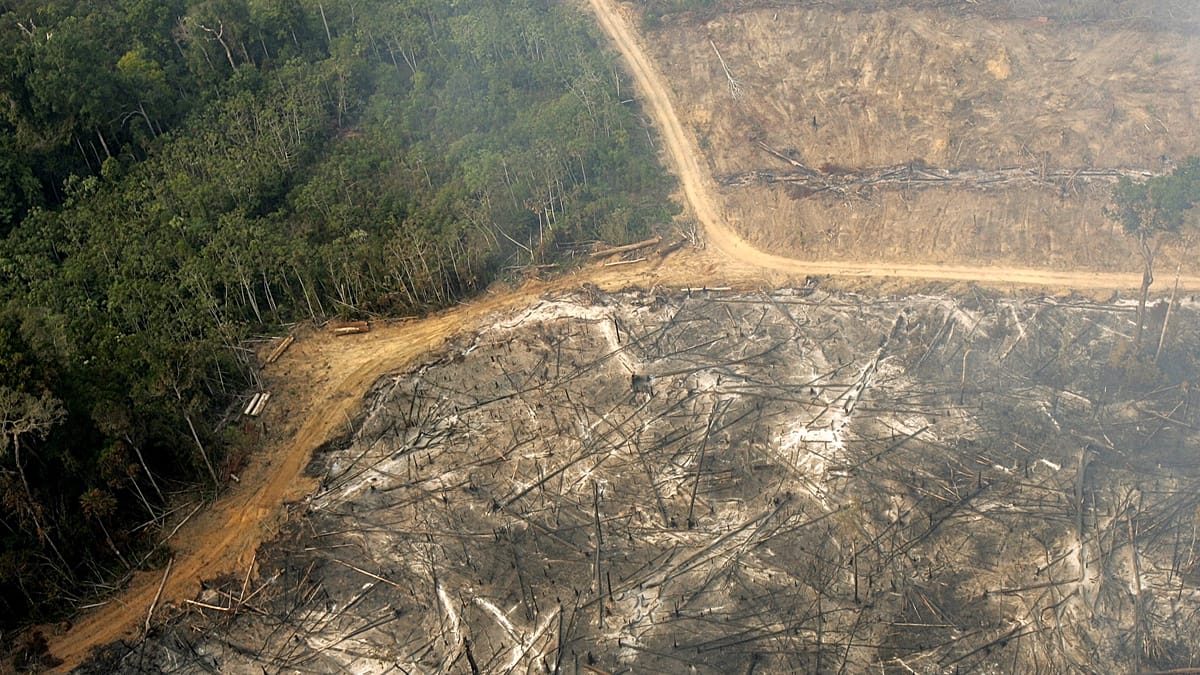
Enforcing such a measure presents immense logistical and geopolitical hurdles. Iran shares land borders with seven nations: Iraq, Turkey, Pakistan, Afghanistan, Turkmenistan, Armenia and Azerbaijan. According to Azernews, the allied leaders would need to persuade these neighbouring countries to cooperate, despite not being allied with many of them. Analysts suggest that Washington might view nations like Iraq and Pakistan as weak links in the chain, while any country agreeing to cooperate would face severe economic consequences and the direct threat of retaliatory strikes from Tehran. Specific transit routes such as the Incheh Borun and Sarakhs-Sarahs crossings connecting Iran and Turkmenistan could become primary targets under the proposal.
Military experts have expressed deep skepticism about the feasibility of the plan. Sean MacFarland, a retired three-star lieutenant general, stated that a land blockade would be almost impossible to execute cleanly because Iraq is heavily aligned with Iran, making it very difficult to stop outside support from filtering through. Nevertheless, he acknowledged that isolating Iran economically is the most concise way to bring the regime to its knees, provided it is backed by kinetic elements.
The push for fresh escalation stems from a belief that previous efforts have stalled. A source familiar with the discussions revealed that President Trump feels he has reached the end of the road with his current strategy focused on reopening the Strait of Hormuz, a waterway central to broader World coverage of the conflict.
Beyond economic strangulation, a land blockade could disrupt Iran's ability to rearm itself. Tehran has reportedly anticipated a significant shipment of hundreds of Chinese rocket launchers, including man-portable air defence systems and anti-aircraft missiles, with returning ships docking at southern Iranian ports such as Bandar Abbas and Chabahar. Intelligence assessments also indicate that the Iranian leadership remains sharply divided between factions fearful of total economic collapse and hardliners determined to continue the war. Internal strain is already visible on the ground, with severe gas shortages leading to long queues at diesel-less filling stations across the country.
While the Oval Office meeting was described by participants as positive and cordial, Israeli officials emphasized that Prime Minister Netanyahu did not push any single course of action. Alongside the land blockade concept, the leaders discussed maintaining the ongoing naval blockade, pursuing a deal, or resuming military strikes. Intelligence analysts have also raised the possibility that the land blockade proposal was floated merely as a red herring to distract Tehran from a different, undisclosed military maneuver.
The situation remains highly volatile on the ground. Following a brief period of quiet, renewed fighting erupted after an unprovoked Iranian strike targeted US bases in Jordan. In swift retaliation, the United States launched a heavy wave of airstrikes against Iranian positions overnight. A White House official confirmed that the commander-in-chief maintains all options at his disposal as the standoff deepens.
Key considerations for the proposed blockade
- Geographical scope: Requires cooperation across seven distinct land borders, involving countries with varying degrees of alignment with Tehran.
- Targeted infrastructure: Potential focus points include major transit routes like Incheh Borun and Sarakhs-Sarahs, as well as southern ports handling military imports.
- Strategic alternatives: Evaluated alongside ongoing naval restrictions, renewed airstrike campaigns, and diplomatic overtures to force a return to negotiations.
- Regional fallout: Cooperating nations risk severe economic repercussions and direct retaliation from the Iranian military.
How significant is this development?
Contribute your assessment to the aggregated reader sentiment ledger.
Frequently Asked Questions
Key questions answered in this reportWhat is the key development in: Israel and US consider Iran land blockade?
The United States and Israel are weighing a potential land blockade of Iran to deepen the country's economic isolation, though experts highlight major hurdles.
Why is this World development significant for the UK?
This report covers critical events in our World beat. Independent reporting monitors related UK statements, regulatory shifts, and public responses as further verified details emerge.
How was this reporting corroborated and verified?
Newsarchy UK compiles and cross-references reporting from primary reporting from ariananews.af and cross-checked wire reports. All coverage adheres to published editorial standards.
When was this report published?
This briefing was published on July 31, 2026 and is permanently cataloged in the Newsarchy UK World archives.