US launches major strikes on Iran as Tehran targets multiple Arab nations
Following an Iranian attack on a container ship, the US military launched intensive airstrikes, triggering retaliatory missile fire across the Middle East.

- Core Development: Following an Iranian attack on a container ship, the US military launched intensive airstrikes, triggering retaliatory missile fire across the Middle East.
- Beat Context: Categorized under World with independent corroboration.
- Reporting Depth: 3 minute analytical read synthesized from verified newsroom sources.
The United States launched a major series of airstrikes against Iran early Sunday, 12 July 2026, targeting approximately 140 military sites in a significant escalation of a conflict that has jeopardized regional security and disrupted global energy markets. The operation, directed by the U.S. Military’s Central Command, aimed to dismantle missile launch facilities, drone storage depots, and communication infrastructure. This strike marks the third and most intensive round of U.S. Military action within a single week.
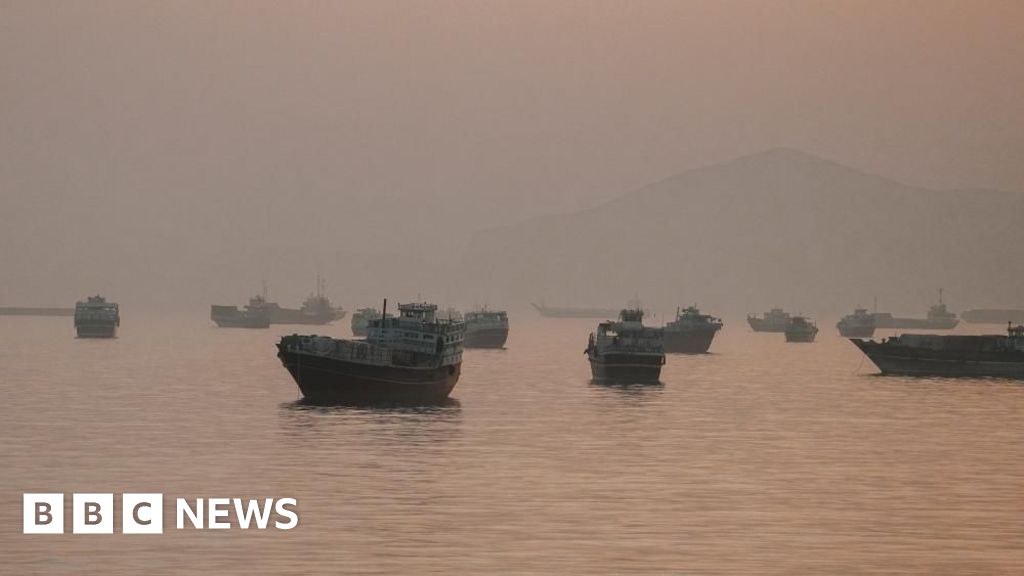
The military confrontation, as reported by AP News, was prompted by an Iranian attack on a Cyprus-flagged container ship in the Strait of Hormuz. The vessel suffered severe engine room damage and caught fire, leaving one crew member missing. Following the strike, the Islamic Revolutionary Guard Corps declared that the strategic waterway was closed to all traffic until further notice, asserting that any vessels must adhere to Tehran-approved routes. In response, the U.S. And its regional allies have maintained that the strait remains an international waterway open to navigation.
Media additions

Tehran retaliated by launching waves of missiles and drones toward multiple nations across the Middle East. According to Aljazeera, these attacks targeted Kuwait, Bahrain, Qatar, Jordan, and Oman. In Qatar, the Ministry of Interior reported that three individuals, including a child, sustained injuries from falling shrapnel during the interception of Iranian fire. Jordan’s state news agency confirmed that three missiles impacted locations within the kingdom, resulting in minor damage but no casualties. While residents in the United Arab Emirates reported hearing explosions, the government later stated that the intercepted missile threats remained outside its national borders.
Meanwhile, Iranian parliamentary speaker Mohammad Bagher Qalibaf signaled a hardening of Tehran’s position, stating that the Time for one-sided deals had concluded. This diplomatic breakdown occurs against the backdrop of national mourning in Iran following the death of the late Supreme Leader Ayatollah Ali Khamenei, whose successor, Ayatollah Mojtaba Khamenei, has publicly vowed to avenge the leadership losses sustained in the opening stages of the war in February.
Regional Impact and Status of the Strait of Hormuz
The Strait of Hormuz serves as a critical artery for global energy, with nearly one-fifth of the world’s oil and natural gas supplies transiting through the passage prior to the conflict. The ongoing hostilities have left the Strait of Hormuz situation in flux, as Iran attempts to leverage the route as a primary economic and military bargaining chip.
| Country | Reported Status |
|---|---|
| Qatar | Reported intercepted fire; three injuries reported. |
| Jordan | Three missiles impacted; no casualties. |
| Kuwait | Air defenses engaged; airspace temporarily diverted. |
| Bahrain | Air raid sirens activated; public shelter warnings issued. |
| Oman | Drone strikes reported in the Musandam Governorate. |
What to Watch Next
- Ceasefire Deadlines: The 60-day window established by the June memorandum expires in mid-August. With current hostilities, prospects for a permanent agreement appear slim.
- Energy Market Volatility: While oil prices previously spiked during the early stages of the conflict, the intensity of this week's strikes creates renewed uncertainty for global energy supplies.
- Diplomatic Posture: With the funeral rites for the late Supreme Leader concluding, observers are monitoring whether the new leadership shifts from the current retaliatory cycle toward more formal state-to-state negotiations or further regional expansion of the conflict.
As the conflict enters this new phase, the U.S. And its partners have issued a collective warning that the targeting of civilians and neutral territory is reckless behavior.
How significant is this development?
Contribute your assessment to the aggregated reader sentiment ledger.
Frequently Asked Questions
Key questions answered in this reportWhat is the key development in: US launches major strikes on Iran as Tehran targets multiple Arab nations?
Following an Iranian attack on a container ship, the US military launched intensive airstrikes, triggering retaliatory missile fire across the Middle East.
Why is this World development significant for the UK?
This report covers critical events in our World beat. Independent reporting monitors related UK statements, regulatory shifts, and public responses as further verified details emerge.
How was this reporting corroborated and verified?
Newsarchy UK compiles and cross-references reporting from primary reporting from apnews.com and cross-checked wire reports. All coverage adheres to published editorial standards.
When was this report published?
This briefing was published on July 12, 2026 and is permanently cataloged in the Newsarchy UK World archives.