Zelensky offers truce conditional on halting Russian strikes
Ukrainian President Volodymyr Zelensky says Kyiv is ready to pause attacks on Russian refineries if Moscow halts strikes on Ukraine's energy grid, following a surprise U.S.-brokered truce.
- Core Development: Ukrainian President Volodymyr Zelensky says Kyiv is ready to pause attacks on Russian refineries if Moscow halts strikes on Ukraine's energy grid, following a surprise U.S.-brokered truce.
- Beat Context: Categorized under World with independent corroboration.
- Reporting Depth: 3 minute analytical read synthesized from verified newsroom sources.
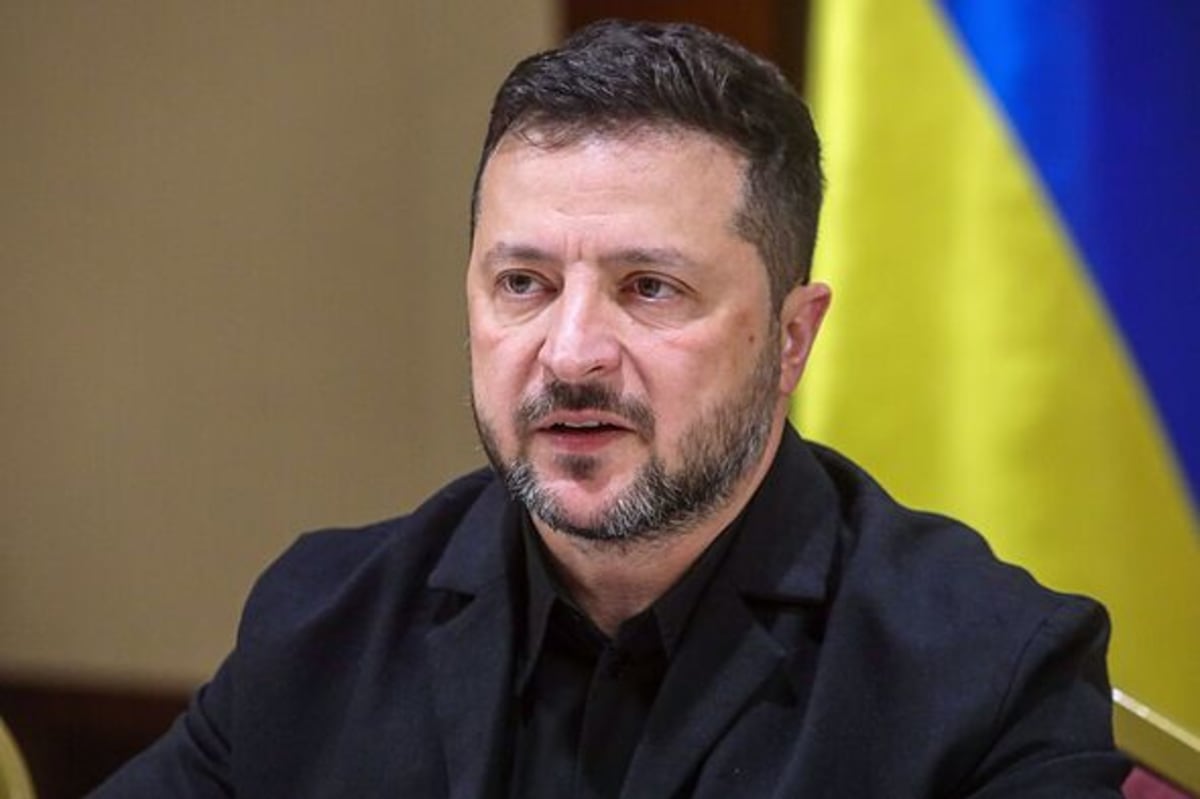
Ukrainian President Volodymyr Zelensky has declared that Kyiv is prepared to halt its long-range drone attacks on Russian oil refineries, provided that Moscow agrees to an immediate, reciprocal halt to airstrikes targeting Ukrainian energy infrastructure and power grids.
The conditional truce offer, outlined across social media channels and interviews with Aol and BBC, comes in the wake of a dramatic diplomatic collision between Washington and Kyiv. U.S. President Donald Trump shocked international observers by proclaiming that an energy ceasefire had been agreed upon by both warring nations and was effective immediately, despite providing no operational details or prior consultation with Ukrainian officials. Zelensky admitted to Nypost that the announcement initially came as news to him, though he emphasized that Kyiv remains ready to embrace a reciprocal pause if Russian President Vladimir Putin reciprocates.
Media additions

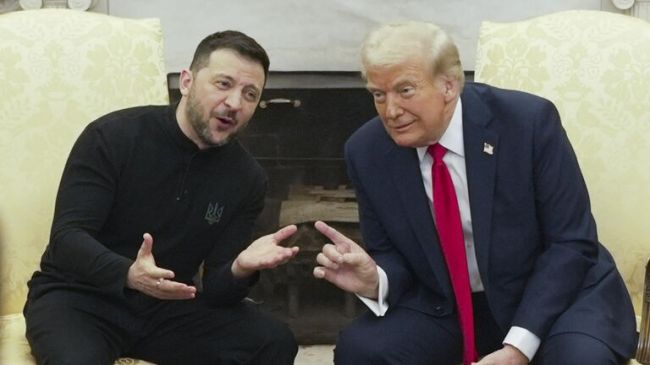

The sudden diplomatic pivot follows intense pressure from the White House regarding global fuel costs. Ahead of upcoming midterm elections, the U.S. Administration brokered an arrangement with Moscow to temporarily bypass sanctions and secure massive shipments of Russian diesel. According to reports compiled by NBC News, the agreement involves an immediate influx of 300,000 tonnes of diesel, followed by 500,000 tonnes the subsequent month, and an additional million tonnes thereafter. Trump placed the blame for high domestic fuel prices squarely on Ukrainian refinery strikes rather than ongoing conflicts in the Middle East, going as far as suggesting on social media that Ukraine should seek new leadership.
The White House position—relayed via Eadaily—stressed that Trump was deeply frustrated by what he viewed as Ukrainian ingratitude for U.S. Military aid. White House officials indicated that the initial cessation of refinery attacks could pave the way for broader agreements protecting power grids and thermal plants. However, Ukrainian officials pushed back against the symmetry of the proposal, noting that while Russia possesses an extensive network of refineries, Ukraine relies heavily on a much more vulnerable and limited domestic energy grid that has absorbed relentless bombardment.
| Metric / Phase | U.S.–Russia Diesel Arrangement | Energy Ceasefire Status |
|---|---|---|
| Announced By | Donald Trump | Donald Trump |
| Target Volumes | 300,000 tonnes immediate; 500,000 next month; 1,000,000 thereafter | Not specified |
| Kyiv Response | Condemned as a "gift" to Putin and a weak concession | Supported conditionally, awaiting Russian compliance |
| Moscow Response | Welcomed U.S. Criticism of Ukrainian leadership | Silent |
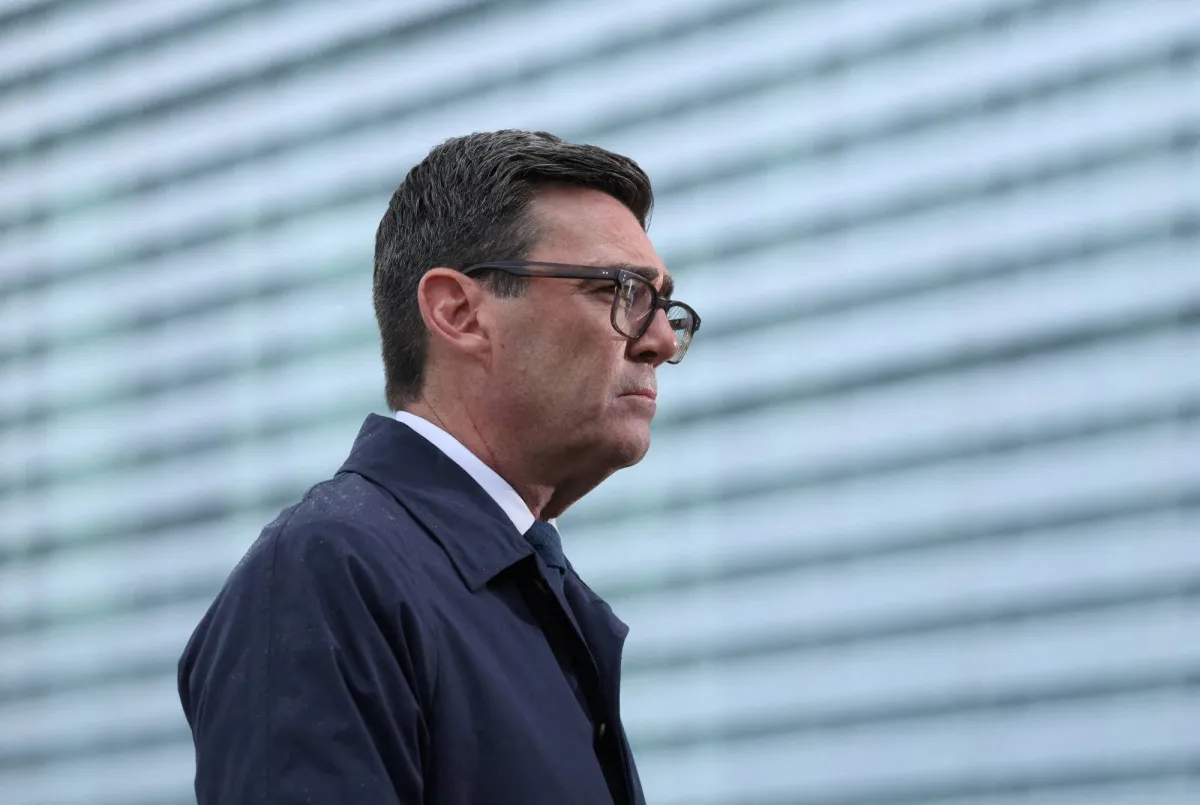
The announcement triggered swift domestic and international fallout. Prominent U.S. Lawmakers, including a bipartisan group of senators and representatives cited by Independent, argued that lifting sanctions directly violates existing congressional legislation banning Russian energy imports and endangers allied security. Meanwhile, European leaders rallied around Kyiv. British Prime Minister Andy Burnham, French officials, and EU foreign policy chief Kaja Kallas voiced strong reservations over the diesel pact, warning that it fills Moscow's coffers at a critical juncture in the four-year conflict.
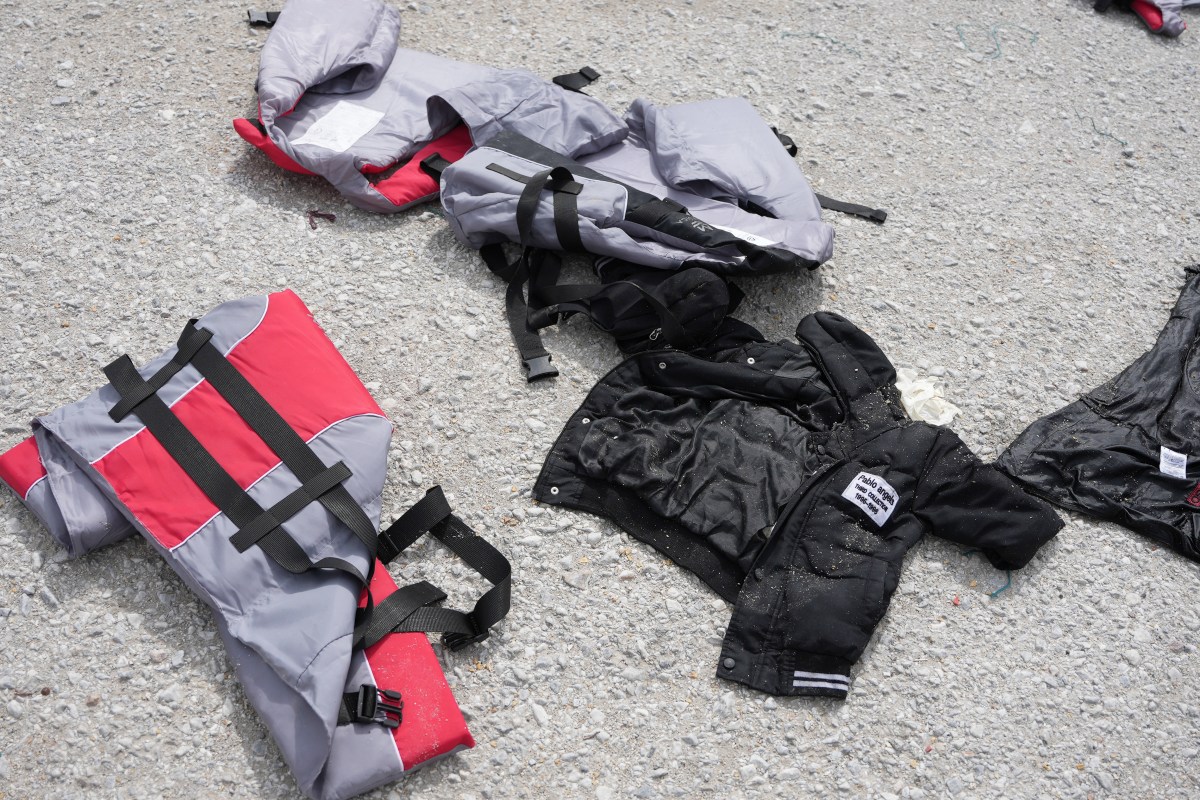
Despite Trump's declaration of an immediate cessation of hostilities, Ukrainian authorities reported that Russian aerial assaults persisted unabated. Officials confirmed that thermal power plants and residential infrastructure in Kyiv and the north-eastern Kharkiv region were struck by drones and glide bombs hours after the ceasefire was proclaimed.
As diplomatic channels strain under conflicting priorities, the immediate diplomatic and military landscape remains fraught. Whether Moscow will officially acknowledge or abide by the proposed energy ceasefire, and how Washington will respond to continued fighting on the ground, remains to be seen as international partners attempt to bridge the widening gap between Kyiv and the White House.
How significant is this development?
Contribute your assessment to the aggregated reader sentiment ledger.
Frequently Asked Questions
Key questions answered in this reportWhat is the key development in: Zelensky offers truce conditional on halting Russian strikes?
Ukrainian President Volodymyr Zelensky says Kyiv is ready to pause attacks on Russian refineries if Moscow halts strikes on Ukraine's energy grid, following a surprise U.S.-brokered truce.
Why is this World development significant for the UK?
This report covers critical events in our World beat. Independent reporting monitors related UK statements, regulatory shifts, and public responses as further verified details emerge.
How was this reporting corroborated and verified?
Newsarchy UK compiles and cross-references reporting from primary reporting from rferl.org and cross-checked wire reports. All coverage adheres to published editorial standards.
When was this report published?
This briefing was published on October 12, 2026 and is permanently cataloged in the Newsarchy UK World archives.