US unveils 'economic D-Day' of sanctions to isolate Iran
The Treasury Department announced a sweeping expansion of secondary sanctions aimed at severing every economic lifeline sustaining Tehran amid the ongoing war.
- Core Development: The Treasury Department announced a sweeping expansion of secondary sanctions aimed at severing every economic lifeline sustaining Tehran amid the ongoing war.
- Beat Context: Categorized under World with independent corroboration.
- Reporting Depth: 5 minute analytical read synthesized from verified newsroom sources.
U.S. Unveils “economic D‑Day” to isolate Iran amid six‑month war
On Monday the Treasury Department announced a sweeping expansion of secondary sanctions that it says will “sever every economic lifeline” sustaining Tehran. The move, branded Operation Economic Outcast, arrives as oil markets have just steadied after two weeks of price gains and as Washington seeks a new lever to force Iran to reopen the Strait of Hormuz.
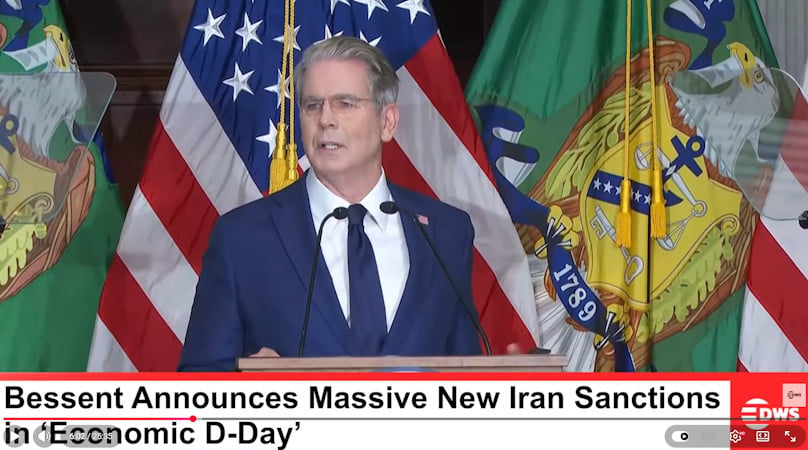
Treasury Secretary Scott Bessant declared an “economic D‑Day” at a press conference, citing the “single greatest financial offensive ever marshalled against an adversary.” He said the United States had mapped the networks, facilitators and financial channels Iran uses to smuggle oil and evade sanctions and that the new secondary sanctions would target five sectors it identified as crucial to Tehran’s survival.
Media additions
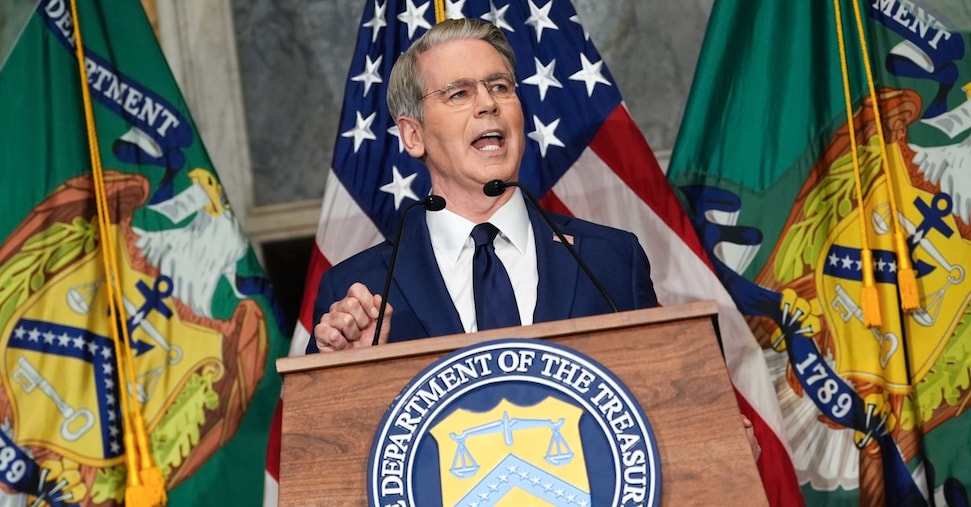
"We are launching an economic onslaught against Iran’s financial connections around the globe. Our objective is to sever every economic lifeline that sustains this tyrannical regime until Tehran stands alone,"
Scott Bessent, U.S. Treasury Secretary, via USA Today
While Bessent did not name the specific countries or entities that will be hit, he warned that “no one is above the reach of U.S. Sanctions,” and said any entity facilitating Iranian money‑laundering would be cut off from U.S. Dollar clearing systems.
"We want to make clear here today that no one is above the reach of U.S. sanctions."
Scott Bessent, U.S. Treasury Secretary, via USA Today
The sanctions package expands secondary penalties to cover digital assets, gold, advanced technology, aviation and maritime transport. According to the South Florida Reporter, the Office of Foreign Assets Control has already designated nearly 60 Iran‑linked entities, individuals and shadow‑fleet vessels across jurisdictions that include China, Hong Kong, the United Arab Emirates, Switzerland and Europe.
That tally mirrors figures reported by the CBS News story, which noted that the new sanctions “expand the categories for secondary sanctions on entities and countries that transact with Tehran” and add fresh measures in each of the five key sectors.
Market reaction
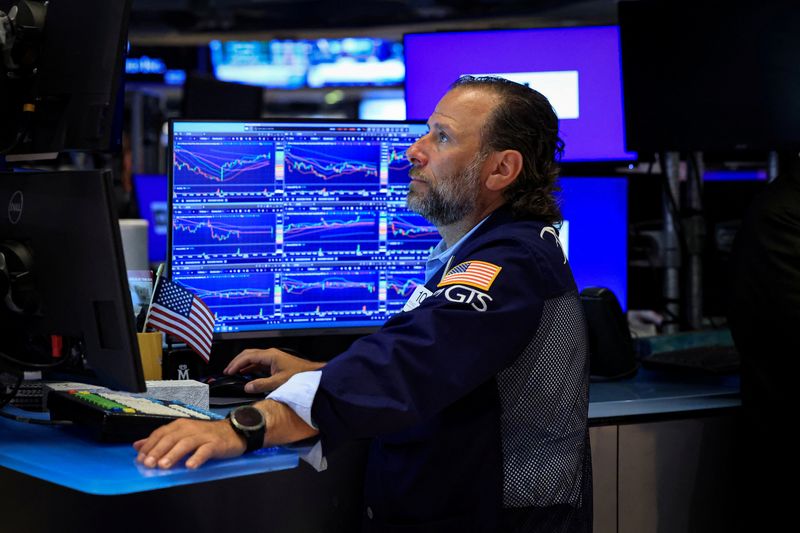
U.S. Equities fell on the news. The Aol report recorded a 0.28 % drop in the S&P 500 and a 0.76 % decline in the Nasdaq as technology stocks slumped. NVIDIA led the losses, shedding 2.9 % after investors weighed the fresh Iran pressure alongside upcoming earnings and an inflation report.
Financials, by contrast, held up. JPMorgan Chase rose 1.4 % and Visa jumped 3 %, providing a modest buffer for the Dow, which inched higher.
China and other trading partners
China, the world’s biggest buyer of Iranian oil, was singled out in the Il Sole 24 Ore piece, which quoted Bessent as warning that “any entity that facilitates money laundering on behalf of Iran will be removed from the U.S. Dollar system.” Beijing responded that sanctions “do not help” and pledged to protect Chinese interests.
India, Turkey, Russia, the United Arab Emirates and Pakistan were also named as countries whose firms could become targets if they continue business with Tehran. In a separate development, Pakistan’s army chief Asim Munir arrived in Tehran on Monday for talks aimed at “promoting regional peace and stability,” a move that the White House said followed a call from President Trump to the general.
Iran’s defiant reply
Iran dismissed the sanctions as “a miscalculation” and warned of “harsh” retaliation against nations that cooperate with Washington.
"Any escalation of this situation will undoubtedly bring about consequences,"
Esmail Baghaei, Iranian foreign ministry spokesman, via CBS News
Economy Minister Ali Madanizadeh declared the United States “completely collapsing” and cited a two‑year plan to counter the new measures.
"They have done everything they could to test the determination of the Iranian people … It seems they wished to suffer yet another defeat,"
Ali Madanizadeh, Iranian Economy Minister, via CBS News
Central Bank Governor Abdolnaser Hemmati told an audience in Tehran that the regime had prepared for the sanctions and that “the country stood and got through” previous U.S. Pressure.
"We are meeting the people's basic needs. If our exports are cut off, we have made preparations for that as well,"
Abdolnaser Hemmati, Governor of Iran’s Central Bank, via CBS News
Military backdrop
The sanction announcement came as U.S. Forces redirected 71 commercial vessels in the Gulf blockade, up from 64 the previous week, and as a Red Sea tanker was hit by an unknown projectile, sparking a fire on its deck. Houthi rebels, aligned with Iran, claimed the strike on the Saudi tanker Amzan.
Meanwhile, the Greek military moved a Patriot missile system to Crete in response to Iranian threats against U.S. Bases in Europe, and the South Korean navy cancelled a joint amphibious exercise with the United States because of “force limitations” linked to the Middle‑East crisis.
Timeline of key developments
- 28 Feb 2026 – U.S. And Israel launch air strikes on Iranian targets, sparking the war.
- June 2026 – Memorandum of Understanding signed, setting a 60‑day deadline that later expires.
- Mid‑July 2026 – U.S. Re‑imposes a naval blockade of Iranian ports, cutting oil flows to China.
- 24 Aug 2026 – Treasury unveils Operation Economic Outcast, expands secondary sanctions and brands the effort “economic D‑Day.”
- Late Aug 2026 – President Trump and Chinese President Xi scheduled to meet in Washington for talks on trade and sanctions.
What to watch next
- The upcoming U.S.–China summit, where Trump is expected to press Beijing on compliance with the new secondary sanctions.
- Iran’s response to the sanctions, including any escalation of attacks on shipping in the Strait of Hormuz or the Red Sea.
- Further market moves, especially in the technology sector, as investors digest the longer‑term impact of restricted access to digital‑asset platforms.
- Potential diplomatic breakthroughs or setbacks in Pakistan‑mediated talks between Washington and Tehran.
- Humanitarian shipment flows, given that Central Command reports over 40 aid vessels have been permitted through the blockade.
With oil prices slipping after the announcement but the war still raging, the “economic D‑Day” marks a decisive shift from kinetic strikes to financial warfare. How effectively Washington can compel Iran’s allies to abandon Tehran—and whether Beijing will capitulate or push back—will shape the trajectory of the conflict through the end of the year.
How significant is this development?
Contribute your assessment to the aggregated reader sentiment ledger.
Frequently Asked Questions
Key questions answered in this reportWhat is the key development in: US unveils 'economic D-Day' of sanctions to isolate Iran?
The Treasury Department announced a sweeping expansion of secondary sanctions aimed at severing every economic lifeline sustaining Tehran amid the ongoing war.
Why is this World development significant for the UK?
This report covers critical events in our World beat. Independent reporting monitors related UK statements, regulatory shifts, and public responses as further verified details emerge.
How was this reporting corroborated and verified?
Newsarchy UK compiles and cross-references reporting from primary reporting from cbsnews.com and cross-checked wire reports. All coverage adheres to published editorial standards.
When was this report published?
This briefing was published on August 24, 2026 and is permanently cataloged in the Newsarchy UK World archives.