US’ Vance says Iran conflict is not a war, declines to offer timeline for end
US Vice-President JD Vance asserted that the ongoing conflict with Iran does not qualify as a war while declining to provide a timeline for its conclusion.
- Core Development: US Vice-President JD Vance asserted that the ongoing conflict with Iran does not qualify as a war while declining to provide a timeline for its conclusion.
- Beat Context: Categorized under World with independent corroboration.
- Reporting Depth: 3 minute analytical read synthesized from verified newsroom sources.
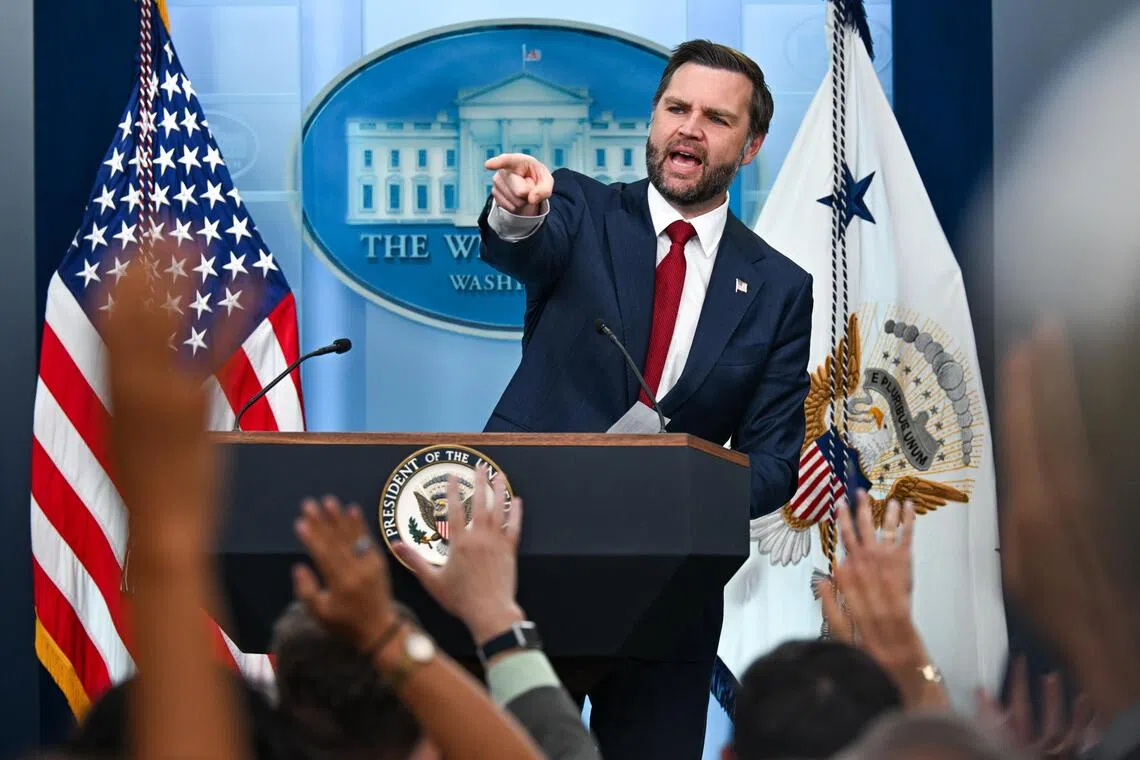
U.S. Vice‑President J.D. Vance told reporters on September 3, 2026 that the fighting between Washington and Tehran does not meet his definition of a war and he would not set a deadline for when the hostilities might cease. “I wouldn’t call it a war,” he said, adding that “right now there’s no active shooting. I recognise there’s been places where this has flared up.”
Vance’s remarks came as the conflict entered its seventh month. The war began on February 28, 2026, when the United States and Israel launched a first volley of strikes that prompted Iran to close the Strait of Hormuz to commercial traffic. The strait, which carried roughly one‑fifth of global oil and gas before the fighting, has since been a flashpoint for both sides.
Media additions


Military posture and operational milestones
According to the Strait Times, Vance noted that the United States has ended “major combat operations” after “about six weeks” of intensive fighting, even though sporadic exchanges of fire continue. He reiterated the same point in an Al Jazeera briefing, saying the United States “has succeeded in degrading Iran’s defence production capabilities.”
The U.S. Still maintains more than 50,000 troops in West Asia and has surged “nearly 20 warships” to enforce a blockade around the Hormuz waterway. Vance explained that some forces have been redeployed from Europe and the Indo‑Pacific, and in certain cases troops have remained in the region longer than originally expected.
When pressed about a timeline, Vance redirected the question to Tehran. “When will the Iranians stop shooting at ships? I think the reality is I don’t know the answer to that question,” he said, emphasizing that any negotiation would be off the table while Iran continues to target commercial shipping.
Commercial shipping and oil market impact
Vance highlighted U.S. Naval escort operations that have helped keep oil flowing.
Energy market commentary reflected the same tension. The Hindu Business Line recorded Brent crude futures at $95.85 a barrel and West Texas Intermediate at $91.85 a barrel on the Friday following the briefing. ING commodities strategists warned that “oil prices remain elevated” as the United States and Iran exchanged missiles, including Iranian launches into neighboring Gulf states.
Civilian casualties and investigations
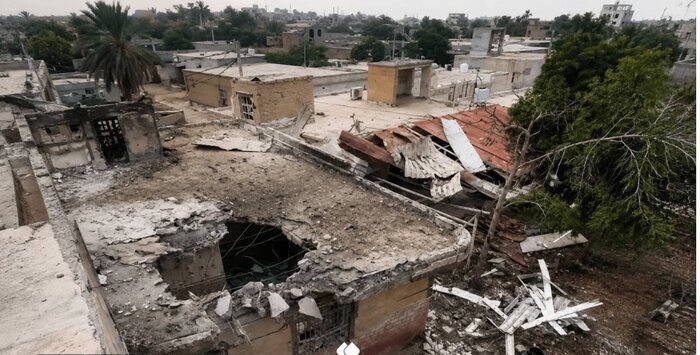
Vance was also asked about a reported strike on a wedding party in the coastal Iranian city of Sirik (also referred to as Kuhestak). NewsCord recorded Vance’s statement that the U.S. “is investigating it because obviously we care. We want to know.” He added that he was “extremely sceptical” of the Iranian government’s account.
Iranian state media said the attack killed at least five people, including children, and wounded nearly 70. The Associated Press reported two women and two children aged 4 and 16 among the dead, and at least 68 injured. CENTCOM spokesman Tim Hawkins was quoted by RFE/RL as saying the U.S. “never targets civilians.”
Human‑rights observers pointed out a pattern of civilian deaths in prior U.S. Actions, including a disputed airstrike on an elementary school in Minab that killed more than 150 children on the first day of the war, according to the Al Jazeera report.
Domestic political pressure
The conflict has become a political liability for President Donald Trump. Multiple outlets—including the Hindustan Business Line and Strait Times—note that the fighting has dragged down Trump’s approval ratings and pushed gasoline prices upward, raising the stakes for Republican candidates who aim to preserve narrow congressional majorities in the November 3, 2026 midterm elections.
Vance also used the briefing to press the Federal Reserve on monetary policy. In an interview with CNBC’s Eamon Javers, he said the administration wants the Fed to cut rates to improve housing affordability, arguing that “when interest rates go up, that means the cost of borrowing goes up.” He framed the request as “appropriate and responsible” in light of recent inflation data.
The push for rate cuts comes just before the Federal Open Market Committee’s scheduled meeting on September 15‑16, 2026, where market participants are split on whether policymakers will raise rates or hold steady.
Human costs for U.S. Forces
According to the Al Jazeera report,
How significant is this development?
Contribute your assessment to the aggregated reader sentiment ledger.
Frequently Asked Questions
Key questions answered in this reportWhat is the key development in: US’ Vance says Iran conflict is not a war, declines to offer timeline for end?
US Vice-President JD Vance asserted that the ongoing conflict with Iran does not qualify as a war while declining to provide a timeline for its conclusion.
Why is this World development significant for the UK?
This report covers critical events in our World beat. Independent reporting monitors related UK statements, regulatory shifts, and public responses as further verified details emerge.
How was this reporting corroborated and verified?
Newsarchy UK compiles and cross-references reporting from primary reporting from aljazeera.com and cross-checked wire reports. All coverage adheres to published editorial standards.
When was this report published?
This briefing was published on September 4, 2026 and is permanently cataloged in the Newsarchy UK World archives.