World oceans hit record high temperature amid growing El Niño
Global sea surface temperatures have reached a record 21.1°C, driven by decades of climate change and an intensifying El Niño pattern.
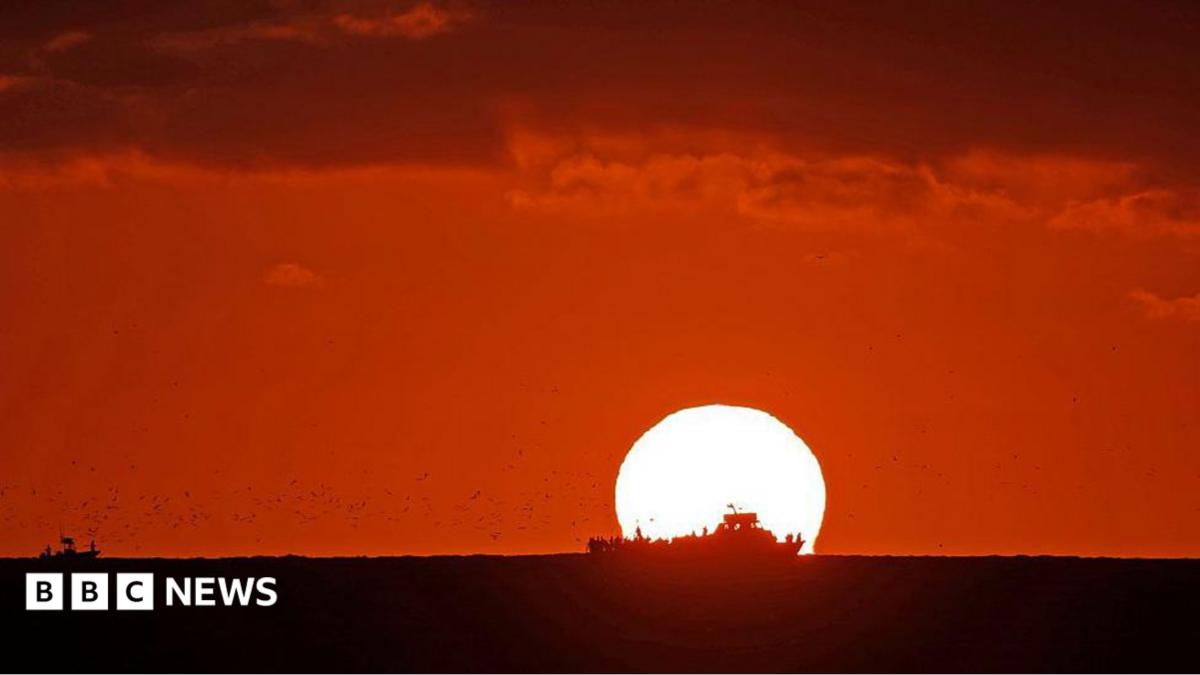
- Core Development: Global sea surface temperatures have reached a record 21.1°C, driven by decades of climate change and an intensifying El Niño pattern.
- Beat Context: Categorized under World with independent corroboration.
- Reporting Depth: 4 minute analytical read synthesized from verified newsroom sources.
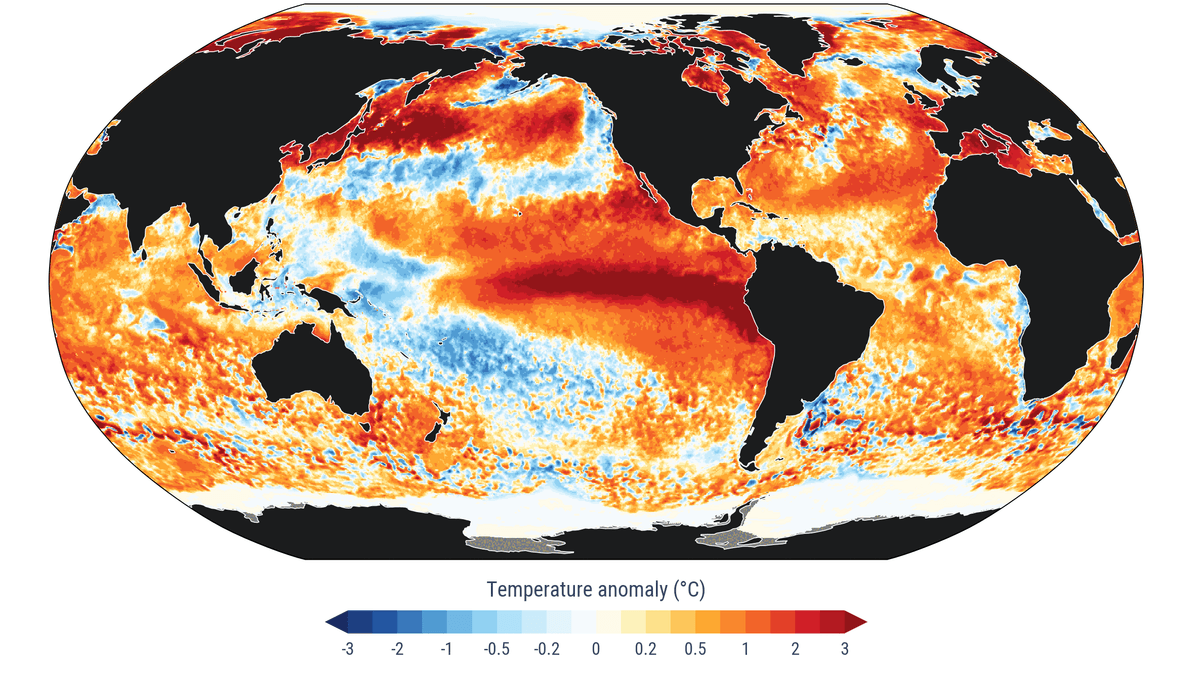
The world's oceans are hotter than ever recorded, driven by a growing El Niño weather pattern and decades of human-caused climate change. The average surface temperature of the planet's seas outside the polar regions reached 21.1°C (70°F) over the weekend, according to figures from the European Copernicus climate change service. This edges past the previous daily high recorded on three separate days in March 2024. Zachary Labe, a climate scientist at Climate Central, noted that the average sea-surface temperature hit a record 21.10 degrees Celsius (69.98 degrees Fahrenheit) on Friday and Saturday, which is the hottest the world's oceans have been since C3S started keeping records in 1979.
Scientists note that worldwide sea temperatures typically peak around March or April at the end of the southern hemisphere's summer, making an August record particularly concerning. The southern hemisphere contains more of the planet's ocean surface than the northern hemisphere and so exerts a bigger influence on average sea temperatures. The natural El Niño phenomenon, marked by unusually warm waters in the eastern and central tropical Pacific Ocean, is still months away from its expected peak between November and January. Researchers warn it is on course to be exceptionally strong, with forecasts suggesting key parts of the tropical Pacific could reach more than a record 3°C above average. Dr Jeremy Grist, senior research fellow at the National Oceanography Centre in Southampton, stated that the fact records are already breaking serves as an early indicator of how strong the El Niño is becoming.
Media additions

"This record is another clear signal of an ocean under growing stress. El Niño is adding heat to the system, but it is doing so on top of decades of human-driven warming."
Dr Samantha Burgess, deputy director of Copernicus, via BBC
Oceans take up more than 90% of the excess heat trapped by humanity's greenhouse gas emissions, mainly from burning fossil fuels. Long-term warming from the burning of coal, oil and gas has warmed the waters by 0.8 degrees Celsius (1.4 degrees Fahrenheit), according to Burgess. Experts warn that the consequences reach far beyond marine ecosystems. The data is based on sea temperatures 10m below the surface, using measurements from buoys, ships and satellites combined to produce a global estimate.
Warmer water also takes up more space, raising sea levels and bringing a greater risk of coastal flooding. It also carries less oxygen and becomes more acidic, threatening fisheries and marine life, as reported by AP News. Boris Worm, a biology professor at Canada’s Dalhousie University, told AP News that major fisheries such as the Peruvian anchovy fishery face severe risks of collapse, disrupting food webs that feed larger marine mammals, seabirds, and humans. Worm explained that while larger creatures can swim to cooler water, anchovies cannot leave and instead starve or fail to reproduce.
"An ocean this warm destabilizes weather patterns and threatens food security, economic prosperity and marine life. A warmer ocean is not our friend."
Jane Lubchenco, oceanographer and former chief of the U.S. National Oceanic and Atmospheric Administration, via AP News
Terrestrial impacts are also mounting. Warmer coastal seas can intensify heatwaves on land in some coastal regions by reducing the cooling effect of sea breezes. Meanwhile, regional weather distortions are triggering droughts, changing tropical cyclone tracks, and increasing wildfire risks worldwide. The UN World Food Programme estimates El Niño could leave nearly 50 million more people facing acute hunger by year’s end.
Additional ecological shifts are already underway as waters warm. Burgess noted that as waters warm off Europe, people are seeing more jellyfish, a trend that University of North Carolina marine ecologist John Bruno warned could also happen on the U.S. East Coast. Bruno added that the amount of heat-sensitive coral alive today is about one-fifth of 1990s levels, though scientists have recently found that some opportunistic coral species are adapting to the hotter water.
Key Impacts of Record Ocean Temperatures
- Extreme Weather: Extra moisture and energy supercharge storms, while warm coastal waters intensify land heatwaves by removing sea-breeze cooling, according to the BBC.
- Marine Life Disruption: Reduced oxygen and increased acidity stress coral reefs, while opportunistic species like jellyfish thrive in warmer waters, as reported by AP News.
- Food Security: Fisheries face starvation and reproductive failure, and droughts disrupt global crop yields, noted in reports by The Conversation.
- Sea-Level Rise: Expanding warm water increases coastal flooding risks, according to the BBC.
Looking ahead, scientists warn that this record is unlikely to stand for long. Labe and other researchers caution that it is very possible the record could be broken again in the coming months as El Niño reaches its peak between November and January. Furthermore, Grist suggested that all things being equal, ocean temperature records could be broken again in March or April 2027.
How significant is this development?
Contribute your assessment to the aggregated reader sentiment ledger.
Frequently Asked Questions
Key questions answered in this reportWhat is the key development in: World oceans hit record high temperature amid growing El Niño?
Global sea surface temperatures have reached a record 21.1°C, driven by decades of climate change and an intensifying El Niño pattern.
Why is this World development significant for the UK?
This report covers critical events in our World beat. Independent reporting monitors related UK statements, regulatory shifts, and public responses as further verified details emerge.
How was this reporting corroborated and verified?
Newsarchy UK compiles and cross-references reporting from primary reporting from apnews.com and cross-checked wire reports. All coverage adheres to published editorial standards.
When was this report published?
This briefing was published on August 25, 2026 and is permanently cataloged in the Newsarchy UK World archives.