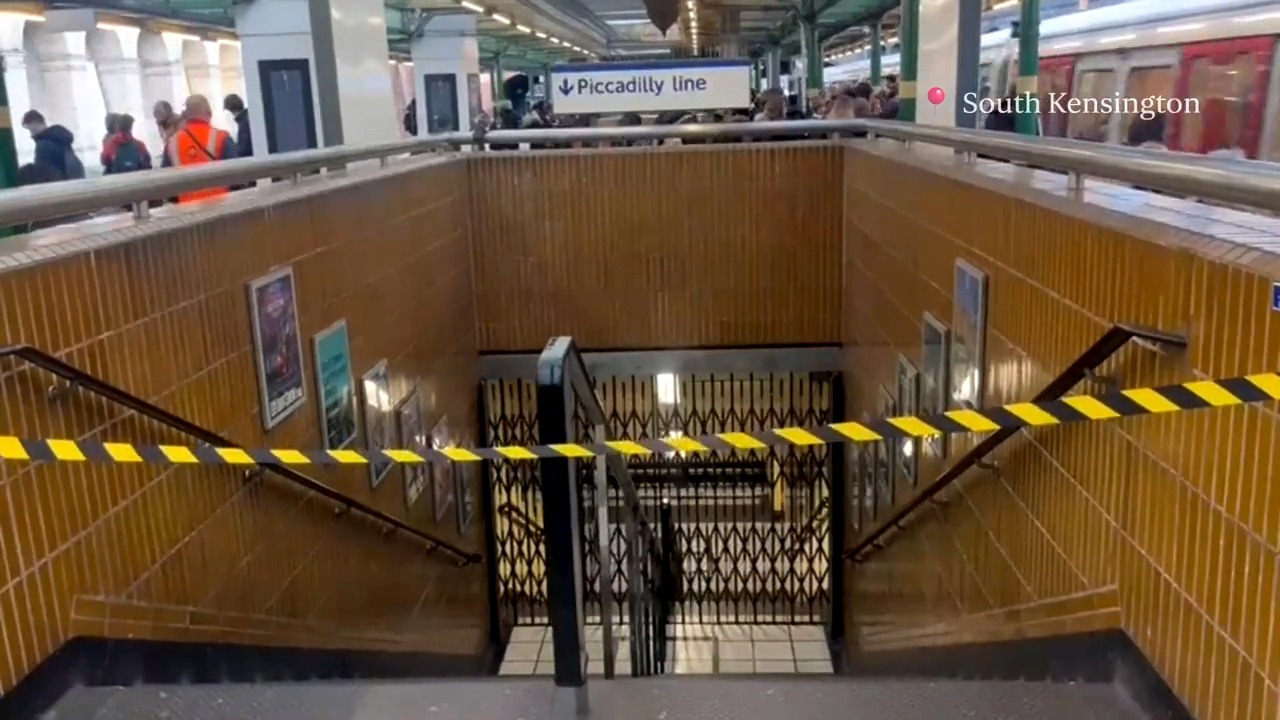
Portugal train drivers strike cancels 30 rail services on first day
A five-day strike by Portuguese train drivers has resulted in the cancellation of 30 rail services on its opening day, contrasting with averted strikes in neighboring Spain.
A strike by Portugal’s train drivers has cancelled 30 rail services on its opening day, as industrial action by CP workers entered a five-day stoppage on Monday, 23 November 2026. The disruption comes at a moment when Spain’s rail network has just stepped back from its own nationwide walkout, leaving the Iberian peninsula’s rail passengers facing sharply different outlooks on either side of the border.
The CP train drivers’ strike, called by SMAQ – the National Union of Portuguese Railway Train Drivers, began on 23 November and is scheduled to continue until 27 November, according to reporting by The Portugal News. By 8 am on the first day, CP’s own figures showed that 30 of the 246 scheduled trains had been cancelled, a share of 12.2%. Almost half of the cancelled services were regional trains.
Media additions
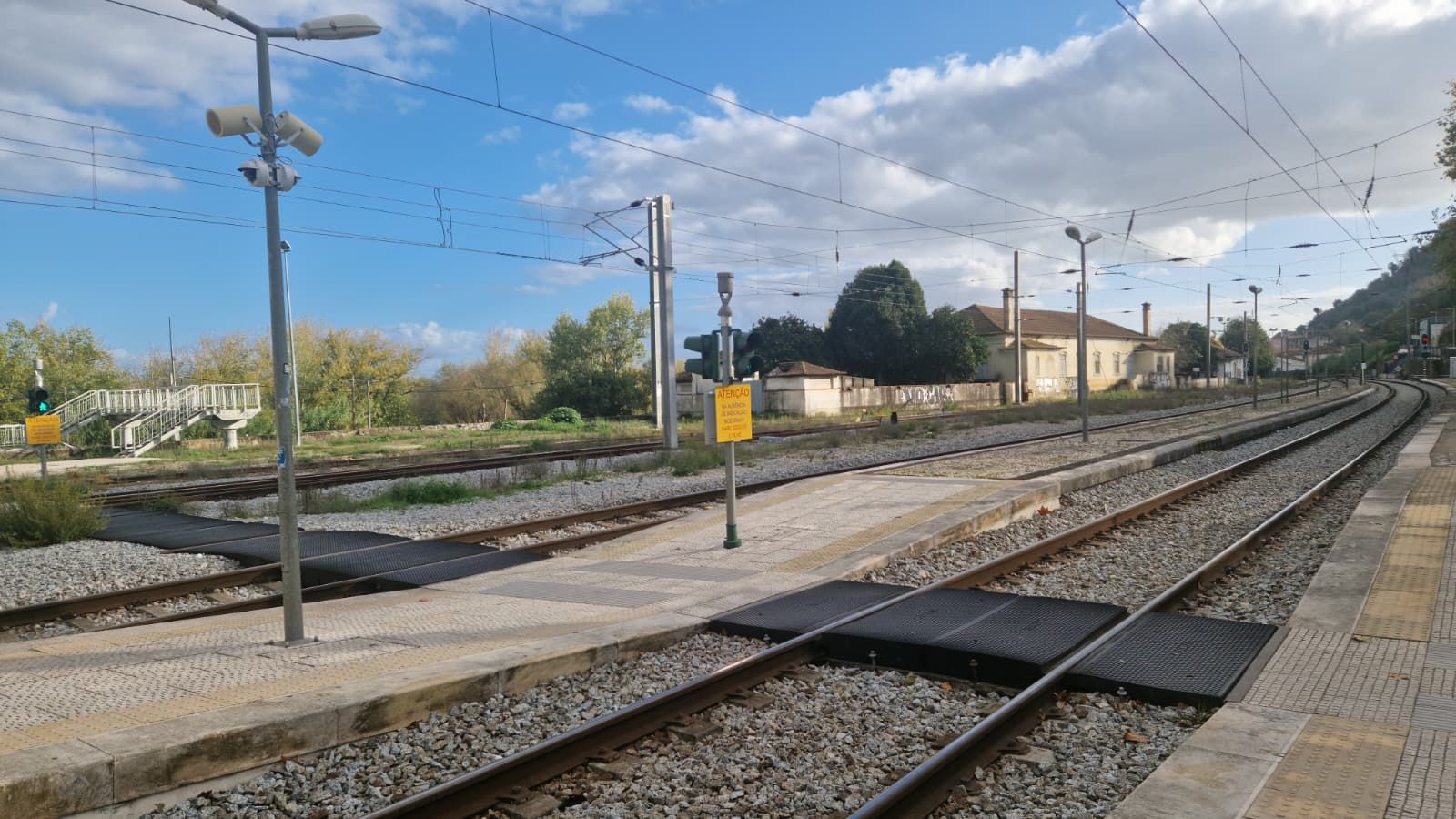

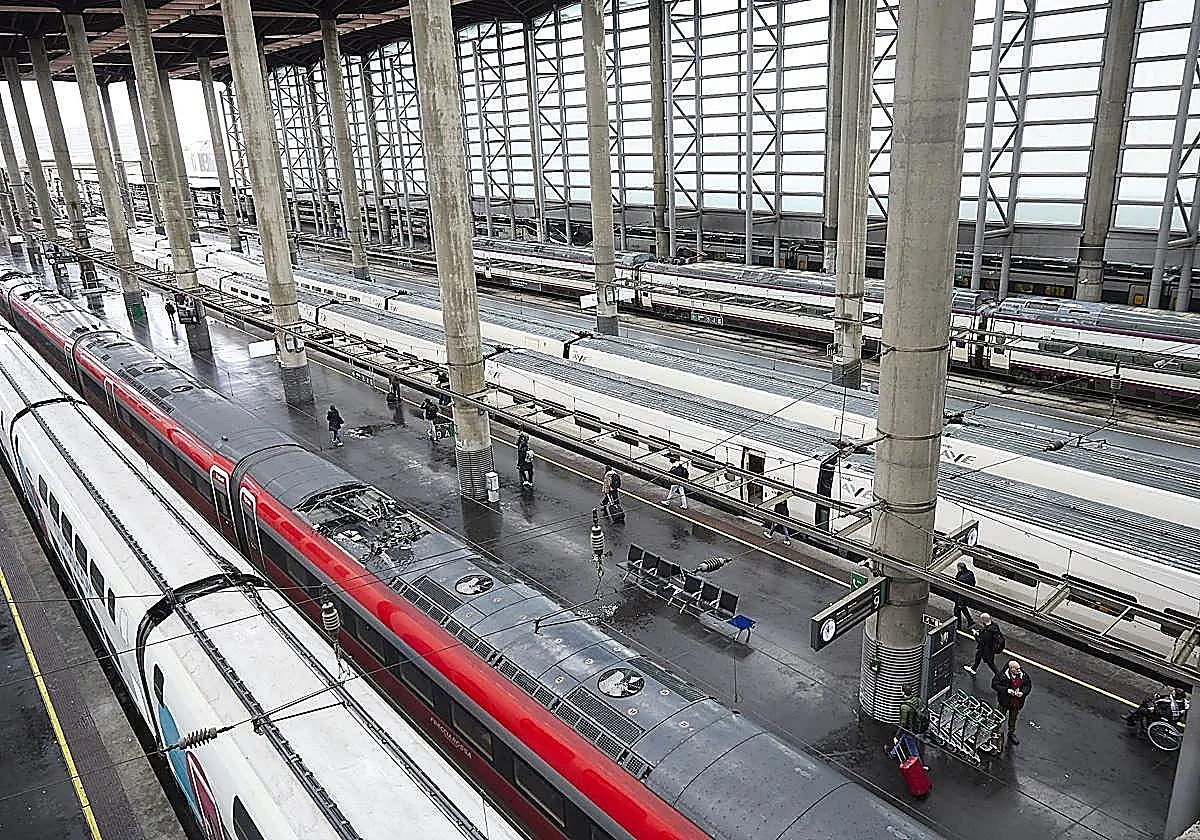
The impact was uneven across the country. On Lisbon’s urban network, only one of 109 scheduled services failed to operate. In Porto, 10 of 52 scheduled trains were cancelled. In Coimbra, just one service was affected. Among long-distance services, five of 14 scheduled trains did not run.
| Network | Scheduled services | Cancelled |
|---|---|---|
| Lisbon urban | 109 | 1 |
| Porto urban | 52 | 10 |
| Coimbra | Not specified | 1 |
| Long-distance | 14 | 5 |
| Total CP network | 246 | 30 |
CP warned passengers of “major disruptions” to rail services, with several trains cancelled across all categories, according to a notice published on the company’s website. The operator also told ticket holders they can request a full refund or exchange their tickets free of charge for another train in the same category and class.
SMAQ said workers whose shifts require them to travel outside their area of residence and remain away from home would not report for duty on the first day. The same instruction applied to drivers due to start a shift on 23 November that would only finish on 24 November. The strike includes a complete stoppage on Tuesday and Wednesday, for which minimum services have been established covering Alfa Pendular, Intercidades, InterRegional and Regional trains, as well as urban services in Lisbon, Porto and Coimbra.
The union’s demands centre on restoring purchasing power, improving professional recognition, better working conditions and strengthening railway safety. Services required to ensure railway safety, maintenance and responses to emergency situations will remain operational throughout the stoppage.
Spain calls off its own strike as Portugal’s begins
While Portuguese passengers faced cancellations on Monday, rail travellers in Spain received relief after the country’s train drivers’ union SEMAF called off a strike planned for the same day. The Spanish union confirmed the cancellation on Friday, 20 November, just three days before the planned industrial action, following an agreement with Renfe and the Ministry of Transport over railway safety measures, according to Rustourismnews.
SEMAF had been the last major railway union maintaining its planned 23 November stoppage after other organisations reached separate agreements with transport authorities. The latest negotiations secured concrete commitments addressing safety concerns, working conditions and technical standards across Spain’s railway network. A central element is a new protocol governing train operations during adverse weather, with procedures linked to meteorological warnings and thresholds based on information from Spain’s national weather agency, AEMET. The agreement also covers driving-time limits, rest arrangements, procedures for reporting operational safety risks, technical problems affecting rolling stock, signalling procedures and more frequent publication of temporary speed restrictions.
Inspain reported that the breakthrough followed an earlier agreement involving CCOO, UGT and the Sindicato de Circulación Ferroviario (SCF), which resulted in the cancellation of a separate strike planned for Thursday, 19 November. That settlement included commitments relating to staffing levels, working-time limits, training, operational supervision and railway signalling.
However, not every union accepted the wider settlement. Euro Weekly News reported that the Independent Trade Union and Civil Servants’ Central (CSIF) rejected the proposals as insufficient and maintained industrial action at Adif and Adif High Speed, continuing to demand improvements to working conditions and railway safety.
A dispute with roots in earlier accidents
The Spanish safety dispute has been building for months. According to Railway Supply, SEMAF registered a conflict procedure at Renfe Group on 5 October, saying progress had stalled on several commitments, including a 7 May deal on new drivers and fixes for technical and safety problems on rolling stock, particularly the S106, S453 and S452 series. The dispute traces back to an agreement reached on 9 February that Renfe says was meant to reinforce the rail system after the Adamuz accident and that led to strikes planned for 10 and 11 February being called off.
SEMAF’s demands include binding protocols for weather alerts, a “Just Culture” approach that ends the automatic search for culprits in the cab, and a direct channel between unions, the State Railway Safety Agency (AESF) and the Labor Inspectorate. The union also wants driving-time breaks applied correctly under Article 36 of Royal Decree 929/2020, reduced retirement-age coefficients unblocked, new hires brought in as trainee drivers under the May agreement, and the 1990 protocol for drivers involved in incidents where a person is struck by a train respected in full.
Renfe says it has fully carried out the measures assigned to it under the February agreement. Of the 24 remaining measures, which fall outside its remit, 17 have been completed and 7 are moving through administrative, regulatory and technical procedures, the operator says, adding that the agreement set no deadlines. The company says it has met its commitment to hire up to 1,200 additional workers and that the driving-time rule SEMAF cites is already applied at Renfe.
The Spanish conflict was also shaped by a collision near Urda, in Toledo province, between a Renfe AVE and an Iryo train at 8:53 am on 28 October. The October 29 strike went ahead the day after that accident. SEMAF said the walkout had also served to mourn its colleagues and all the victims, and described the drivers’ backing as unanimous. For that day, the Ministry of Transport had set minimum services at 73% of usual high-speed and long-distance trains, an average of 65% on Media Distancia regional routes and 26% of scheduled freight. Cercanías commuter networks had to run 75% of trains at peak times and 50% for the rest of the day.
Renfe reported participation of 2.19% on the night shift and 15.16% on the morning shift among staff able to strike on 29 October. Six of the 48 commercial trains scheduled under minimum services were canceled, or 12.5%. On public-service trains, covering Cercanías, Rodalies, Avant and Media Distancia, 17.04% of minimum services were canceled and 28.64% did not depart. Cercanías Madrid was hit hardest, with 48.29% of minimum services canceled and 33.17% not departing.
What happens next
- Portugal’s CP strike continues through Friday, 27 November, with a complete stoppage on Tuesday and Wednesday under minimum-service rules.
- Spanish passengers can travel on Monday, 23 November without the SEMAF walkout, though CSIF’s separate action at Adif continues and engineering works or operational restrictions may still affect individual routes.
- SEMAF says it will monitor implementation of the Spanish safety agreement, while transport authorities have committed to continued cooperation on railway safety.
- CP passengers can request a full refund or free exchange for another train in the same category and class.
The contrasting outcomes on Monday highlight how quickly rail labour relations can diverge between neighbouring countries. Spain’s drivers have suspended their strike after securing a safety protocol and monitoring commitments, while Portugal’s drivers are midway through a five-day stoppage over pay, recognition, working conditions and safety. Passengers on both networks are being advised to check individual services before travelling, as neither agreement nor strike automatically resolves unrelated infrastructure problems or operational restrictions.