Zelenskyy rejects wartime elections claiming they risk splitting Ukraine
President Volodymyr Zelenskyy has pushed back against holding national elections during the Russian invasion, warning that a vote would fracture Ukraine.
- Core Development: President Volodymyr Zelenskyy has pushed back against holding national elections during the Russian invasion, warning that a vote would fracture Ukraine.
- Beat Context: Categorized under World with independent corroboration.
- Reporting Depth: 3 minute analytical read synthesized from verified newsroom sources.
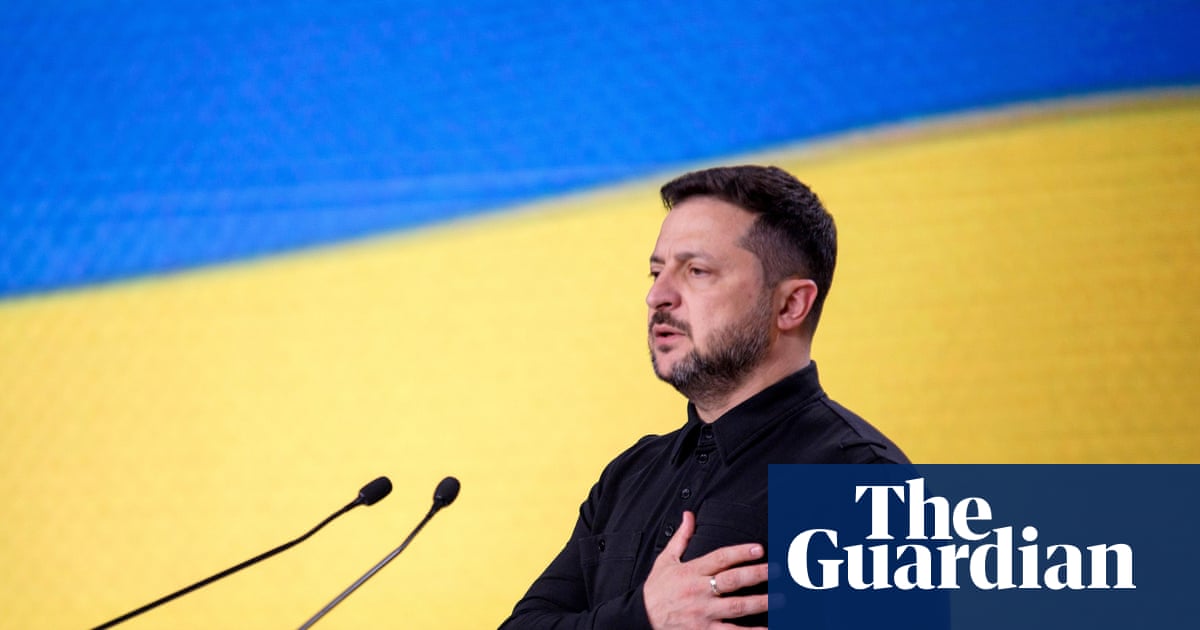
President Volodymyr Zelenskyy has pushed back against proposals to hold a national vote during the ongoing full-scale Russian invasion, warning that a contest would fracture the nation as it faces acute military pressure. Martial law has suspended voting since the initial assault began, a suspension that continues to maintain broad public backing across the country.
The presidential pushback follows an open challenge from former defense minister Mykhailo Fedorov, who recently called for a fresh contest after being dismissed from his post a month prior. According to The Guardian, Zelenskyy addressed the demand in a briefing held on Saturday, with details emerging publicly on Sunday. The president described the proposal as an existential threat to the state.
Media additions

"I believe that if we want to destroy the country, then during such a war we can move in the selection of elections,"
Volodymyr Zelenskyy, President of Ukraine, via The Guardian
"I believe that during such a war, elections in general are big risks. Elections right now are a tsunami for the state that will split Ukraine,"
Volodymyr Zelenskyy, President of Ukraine, via The Guardian
Additional reporting by Uk notes that Fedorov retains substantial backing among younger citizens, with thousands urging his reinstatement amid speculation that he might mount a presidential challenge. However, separate polling indicates that Zelenskyy maintains greater popularity as a presidential candidate.
Zelenskyy asserted that Fedorov had overstepped his authority by attempting to absorb functions reserved for the military, adding that the former minister declined four alternate government posts offered to him. The president suggested that Fedorov was moving toward misguided actions, whether independently or through external influence, stating that he was going himself or being pushed toward wrong things.
Despite his firm stance, Zelenskyy indicated he would support a vote if international allies established specific conditions to guarantee a safe, legitimate, and democratic process. Such an initiative would necessitate military participation, access for frontline territories, and provisions for millions of citizens displaced abroad, all conducted safely without bombardment or strikes.
Military pressures and upcoming mobilisation
The debate over political contests unfolds against a backdrop of escalating security concerns. Zelenskyy reported that Russia maintains a stockpile of high-speed ballistic missiles—specifically numbering 600-630—and aims to produce slightly over 100 additional units monthly ahead of winter, with a maximum yearly manufacturing capacity of 1,300. These weapons have targeted critical infrastructure, warehouses, and the capital, while Ukrainian forces face a shortage of US-made Patriot interceptors, which represent the sole defense capable of neutralizing such ballistic threats.
To address the shortage, Kyiv is seeking defensive reinforcements. Zelenskyy stated he requested 360 Patriot missiles for a winter package, aiming for 300, while noting production limits on PAC-3 interceptors, of which only about 600 are made a year. Agreements have been secured with France for at least one SAMP/T air-defense system, and with Germany for the supply of about 600 PAC-2 and PAC-3 interceptors slated for upcoming years, following a visit to Ukraine by German Foreign Minister Johann Wadephul. Furthermore, France pledged additional interceptor missiles following a conversation between Zelenskyy and French President Emmanuel Macron, while Norway announced plans for substantial financial support for the 2027 fiscal year. Zelenskyy also suggested the US could help by supplying a small percentage of its stockpiles, noting Ukraine was willing to pay.
Moscow is also preparing to reinforce its military footprint. Zelenskyy warned that Russia intends to mobilize an additional 300,000 troops following parliamentary elections in September, alongside potential further conscription efforts aimed at capturing the remainder of the eastern Donetsk region.
What to watch next
- Members of the French- and British-led coalition of the willing are scheduled to convene on Monday to discuss increased pressure on Moscow and how to ramp up efforts to halt the invasion.
- The Russian parliamentary elections in September, following which Kyiv expects a renewed mobilisation wave targeting areas away from main cities.
- Ongoing diplomatic and military coordination regarding European and international interceptor deliveries for Ukrainian air defense, as detailed in our broader World coverage.
How significant is this development?
Contribute your assessment to the aggregated reader sentiment ledger.
Frequently Asked Questions
Key questions answered in this reportWhat is the key development in: Zelenskyy rejects wartime elections claiming they risk splitting Ukraine?
President Volodymyr Zelenskyy has pushed back against holding national elections during the Russian invasion, warning that a vote would fracture Ukraine.
Why is this World development significant for the UK?
This report covers critical events in our World beat. Independent reporting monitors related UK statements, regulatory shifts, and public responses as further verified details emerge.
How was this reporting corroborated and verified?
Newsarchy UK compiles and cross-references reporting from primary reporting from theguardian.com and cross-checked wire reports. All coverage adheres to published editorial standards.
When was this report published?
This briefing was published on August 23, 2026 and is permanently cataloged in the Newsarchy UK World archives.