Trump calls Ukraine's renewed strikes on Russian oil refineries 'a disgrace
President Donald Trump criticized Ukraine's renewed strikes on Russian oil refineries, prompting President Volodymyr Zelensky to abandon a temporary energy ceasefire as European leaders rallied in support.
Trump calls Ukraine's renewed strikes on Russian oil refineries 'a disgrace
EXECUTIVE BRIEFKey Takeaways & Signal
Core Development: President Donald Trump criticized Ukraine's renewed strikes on Russian oil refineries, prompting President Volodymyr Zelensky to abandon a temporary energy ceasefire as European leaders rallied in support.
Beat Context: Categorized under World with independent corroboration.
Trump calls Ukraine's renewed strikes on Russian oil refineries ‘a disgrace’
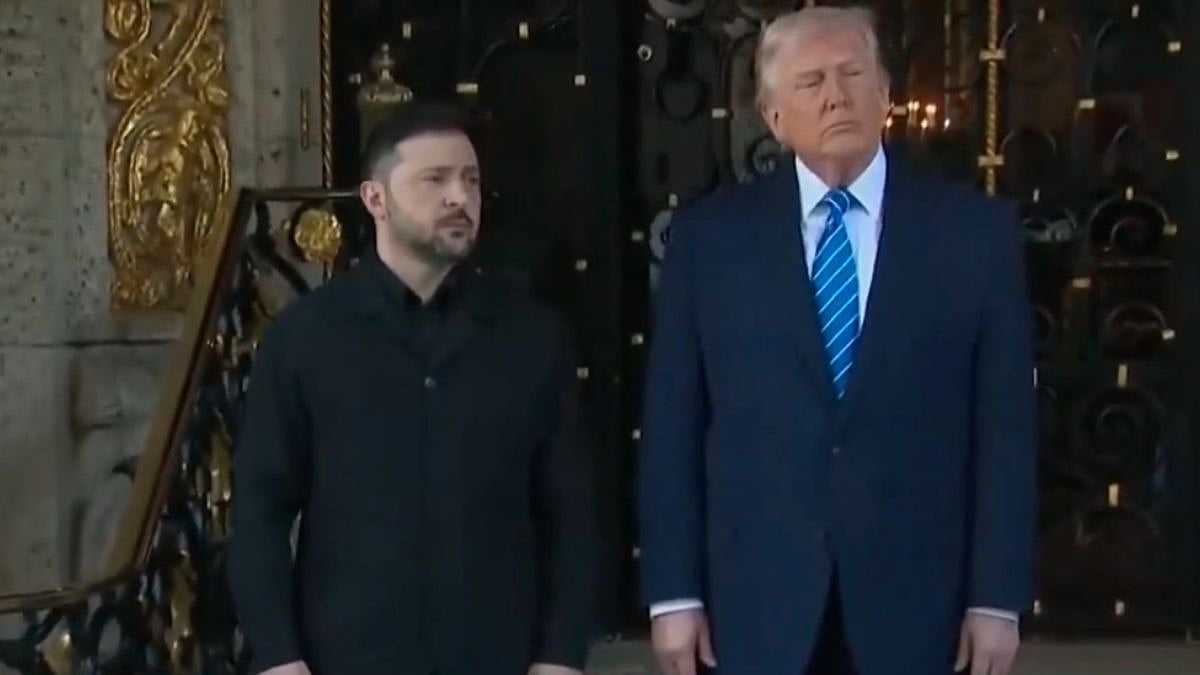
In a Newsmax interview on 16 October 2026, U.S. President Donald Trump said that Ukraine’s recent resumption of attacks on Russian oil refineries was “a disgrace” and that the strikes were pushing up global fuel prices. “All he’s doing is making the world oil price higher. Well, I think that’s a disgrace,” he told the outlet. The comments followed a brief pause in Ukrainian strikes that had been prompted by Trump’s own proposal for an energy ceasefire between Kyiv and Moscow.
“All he’s doing is making the world oil price higher. Well, I think that’s a disgrace.”
Image via freepressjournal.inImage via The GuardianImage via BBC
Donald Trump, via Newsmax, 16 October 2026
Ukraine’s president, Volodymyr Zelenskyy, responded at an EU summit in Brussels later that day. He said that Ukraine would no longer observe the pause that Trump had suggested, describing the “block on attacking refineries” as finished. Zelenskyy also blamed Russia for continuing attacks on Ukrainian energy infrastructure, noting that a drone strike had left thousands of households without power in the Volyn region.
Trump’s criticism is part of a broader rift between Washington and Kyiv. Earlier this week, the U.S. Administration announced a deal to purchase up to 300 000 tonnes of Russian diesel for the global market. The agreement, which was intended to support fuel supplies ahead of the U.S. Mid‑term elections, has angered Ukraine and several European allies. Zelenskyy has described the deal as a “slippery slope” that could enable Russia to sustain its invasion of Ukraine.
European leaders have largely sided with Kyiv. At the Brussels summit, Ursula von der Leyen praised the energy ceasefire that Trump had proposed but warned that Russia had not respected it. She said the European Union would not lift sanctions on Russia until the war ended and announced a 22nd package of sanctions. António Costa echoed that stance, stating that the EU would not ease restrictions on Russia.
The dispute has also strained military cooperation. Ukraine reported that its use of the Starlink satellite network, operated by SpaceX, had been throttled. The slowdown, which affected the military‑grade Starshield system, has hampered drone operations and air‑defence efforts. British Defence Secretary Wes Streeting said that his U.S. Counterpart had assured him that the service had been restored, but the exact cause of the disruption remained unclear. Ukrainian officials said the restriction had placed civilian lives at risk, as the network is critical for battlefield communications.
Zelenskyy has called for additional support from the European Union. He said that the war will cost €155 billion next year and that Ukraine needs at least €70 billion more from EU member states for defence, weapons and resilience. The request was made in his speech to the European Council on 16 October 2026 and echoed in reports from France 24 and BBC.
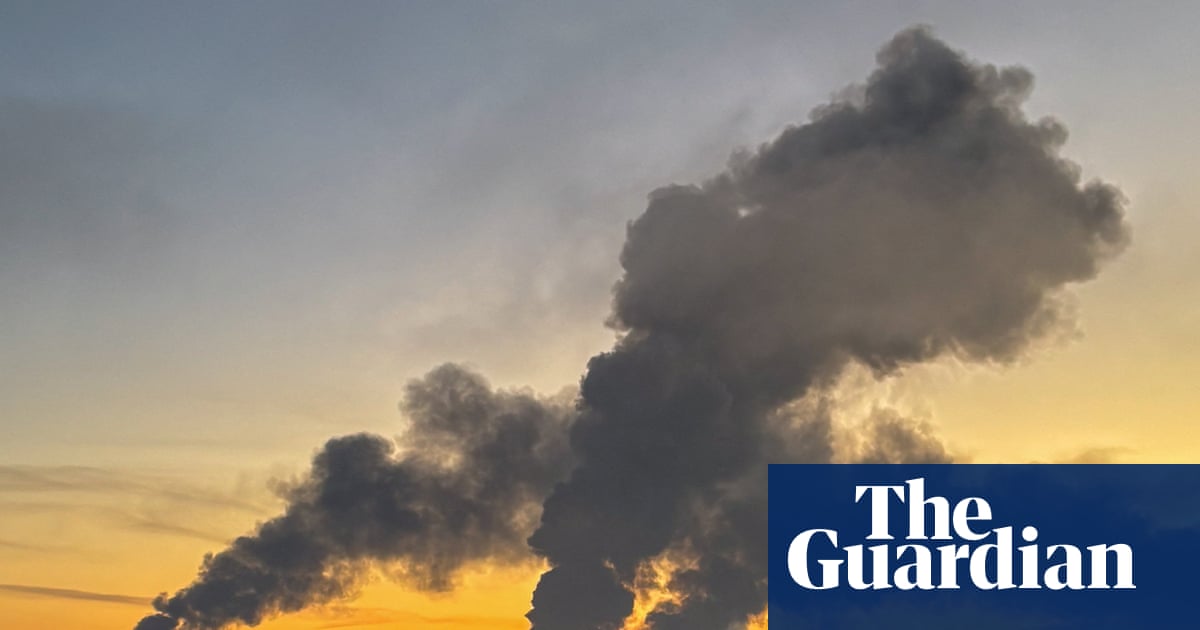
Russia has continued to target Ukrainian energy sites. A drone strike in the Volyn region left 270 000 households without power, while a separate attack in the Volyn region earlier in the month had affected 600 000 households. Ukrainian state energy company Naftogaz confirmed that a Russian strike had halted operations at one of its gas‑production sites.
The latest developments come as the United States and Ukraine grapple with the fallout from the diesel deal and the broader war‑related supply‑chain disruptions. Zelenskyy remains committed to Ukraine’s defence, saying that the country cannot accept a diesel deal that might give Russia additional resources for its invasion.
As the EU summit concludes, European leaders reaffirmed their support for Kyiv, pledging to maintain sanctions against Russia and to provide additional military and financial aid. The next phase will involve decisions on further sanctions, the pace of military assistance, and the potential role of the United States in continuing intelligence support to Ukraine.
READER INTELLIGENCE PULSE
How significant is this development?
Contribute your assessment to the aggregated reader sentiment ledger.
Click an option to register your anonymous assessment.
Frequently Asked Questions
Key questions answered in this report
What is the key development in: Trump calls Ukraine's renewed strikes on Russian oil refineries 'a disgrace?
President Donald Trump criticized Ukraine's renewed strikes on Russian oil refineries, prompting President Volodymyr Zelensky to abandon a temporary energy ceasefire as European leaders rallied in support.
Why is this World development significant for the UK?
This report covers critical events in our World beat. Independent reporting monitors related UK statements, regulatory shifts, and public responses as further verified details emerge.
How was this reporting corroborated and verified?
Newsarchy UK compiles and cross-references reporting from primary reporting from BBC and cross-checked wire reports. All coverage adheres to published editorial standards.
When was this report published?
This briefing was published on October 16, 2026 and is permanently cataloged in the Newsarchy UK World archives.