1Password confirms customer data breach, says password vaults are safe
1Password disclosed a security incident after an attacker hijacked an employee GitHub account, exposing administrative customer data and CI/CD credentials. However, the company stressed that user password vaults remain secure.

An attacker hijacked an employee's corporate GitHub account to infiltrate backend systems and steal customer administrative data, though the password manager insists encrypted user vaults remain safe.
Toronto-based 1Password disclosed the security incident after launching an internal investigation into suspicious activity detected on 19 November 2026. According to official disclosures and reporting by Cyberpress, Infosecurity Magazine, Teiss, Cybersecuritynews, Bleepingcomputer, Help Net Security, and GBHackers News, the intruder used the compromised developer account to access private source code repositories and push malicious code into backend services.
Media additions


The malicious code downloaded administrative records for a subset of customers. The stolen data includes names, sign-in email addresses, account and user identifiers, account creation timestamps, last sign-in times, and public cryptographic keys. It also covers Secure Remote Password (SRP) protocol parameters and internal file and version numeric identifiers.
The company maintains that the exposed SRP parameters and public keys cannot be used to compromise user security or access accounts. Crucially, 1Password stressed that customer vault contents, master passwords, account recovery keys, and Secret Keys were never accessed or available to the intruder. The company relies on a zero-knowledge architecture where cryptographic keys are held exclusively by the end user.
CI/CD Exposure and Developer Targeting
Beyond customer account metadata, the attacker copied source code from private repositories and gained entry to the company’s continuous integration and continuous delivery (CI/CD) infrastructure. This software development and deployment environment housed infrastructure credentials required to operate the company's products.
While 1Password noted that its source code contains no user secrets, the potential exposure of CI/CD infrastructure secrets prompted an immediate engineering response. The company initiated the rotation of all potentially exposed internal credentials, revoked the stolen access token, disabled the compromised GitHub account, and restored clean versions of affected backend services.
Independent cybersecurity specialists were hired to validate the containment procedures and remediation efforts. The initial attack vector used to compromise the staff member's GitHub account remains undisclosed, and 1Password has not publicly stated the exact total number of customers impacted by the data theft.
Provisioning Tokens and Mitigation Steps
Among the exfiltrated records were authentication tokens contained in emails sent to users completing account invitations, business account provisioning via SCIM Bridge or Hosted Provisioning, or account recovery procedures. According to 1Password, these tokens cannot independently grant access to user accounts.
Completing an invitation or recovery procedure requires either single sign-on authentication or a secondary verification code sent directly to the customer's registered email address. A small number of customers were undergoing these procedures during the intrusion and have been individually notified by the company.
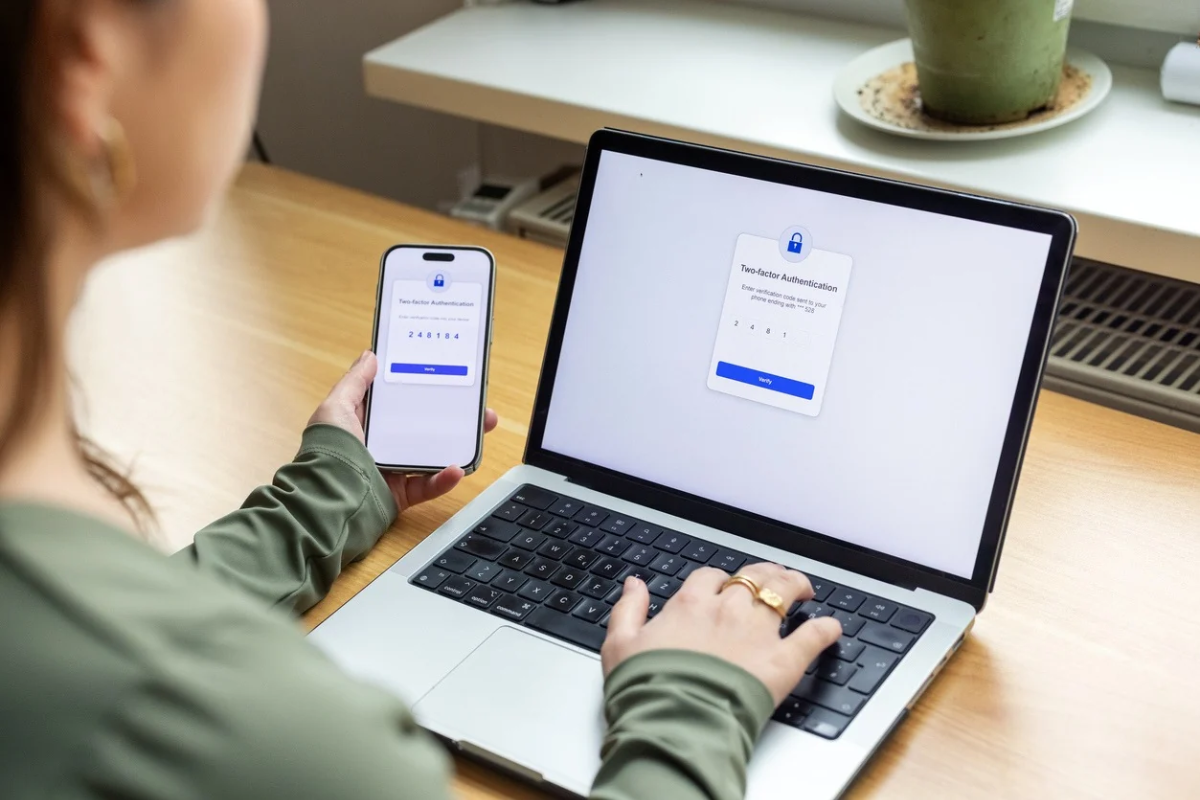
As an additional security precaution against potential brute-force guessing attacks, 1Password expanded the verification codes used in invitation and account recovery emails from six numerical digits to ten alphanumeric characters. The company reports no evidence of unauthorized account takeovers utilizing the exposed provisioning tokens.
| Data Category | Exposed / Stolen | Status / Impact |
|---|---|---|
| Customer Names & Emails | Yes (subset of users) | Creates phishing risks; users notified of exposure where applicable. |
| Account Identifiers & Timestamps | Yes | Non-secret administrative metadata; cannot unlock vaults. |
| Public Keys & SRP Parameters | Yes | Public by design / inert for direct account access. |
| Provisioning & Recovery Tokens | Yes (small group) | Require SSO or secondary email code; no account takeovers detected. |
| Customer Vault Contents & Secret Keys | No | Fully protected by user-held cryptographic keys; untouched by attacker. |
| CI/CD Infrastructure Credentials | Potentially exposed | All internal infrastructure credentials rotated or revoked. |
Industry Context and Phishing Warnings
Security analysts noted parallels to earlier high-profile software supply chain and development environment compromises, such as the 2022 breaches experienced by rival password management provider LastPass. However, commentators and 1Password itself emphasized a crucial distinction: while the LastPass intrusion ultimately resulted in the theft of unencrypted vault backups, 1Password’s zero-knowledge architecture prevented vault exposure.
Despite vaults remaining secure, cybersecurity experts warn that the stolen email addresses and administrative details provide threat actors with a valuable dataset for targeted social engineering campaigns. Attackers could craft convincing fraudulent communications impersonating 1Password, including fake security alerts, account recovery requests, or provisioning invitations.
Customers are not required to change their master passwords or Secret Keys following the incident, as the company does not store them. Users should exercise vigilance when receiving unsolicited messages, avoid clicking unexpected links, and access the application or official website directly. 1Password confirmed it will never ask customers for their account password or Secret Key.
The company's ongoing investigation, conducted alongside external forensic experts, continues as developers monitor for follow-up exploitation attempts. Further updates regarding security controls and remediation validation are expected from 1Password as the review progresses.