South Asia study reveals millions of wives unprotected from marital rape
A comprehensive study by SAMAJ reveals that millions of wives across South Asia remain unprotected from marital rape due to entrenched legal gaps and colonial-era exemptions.
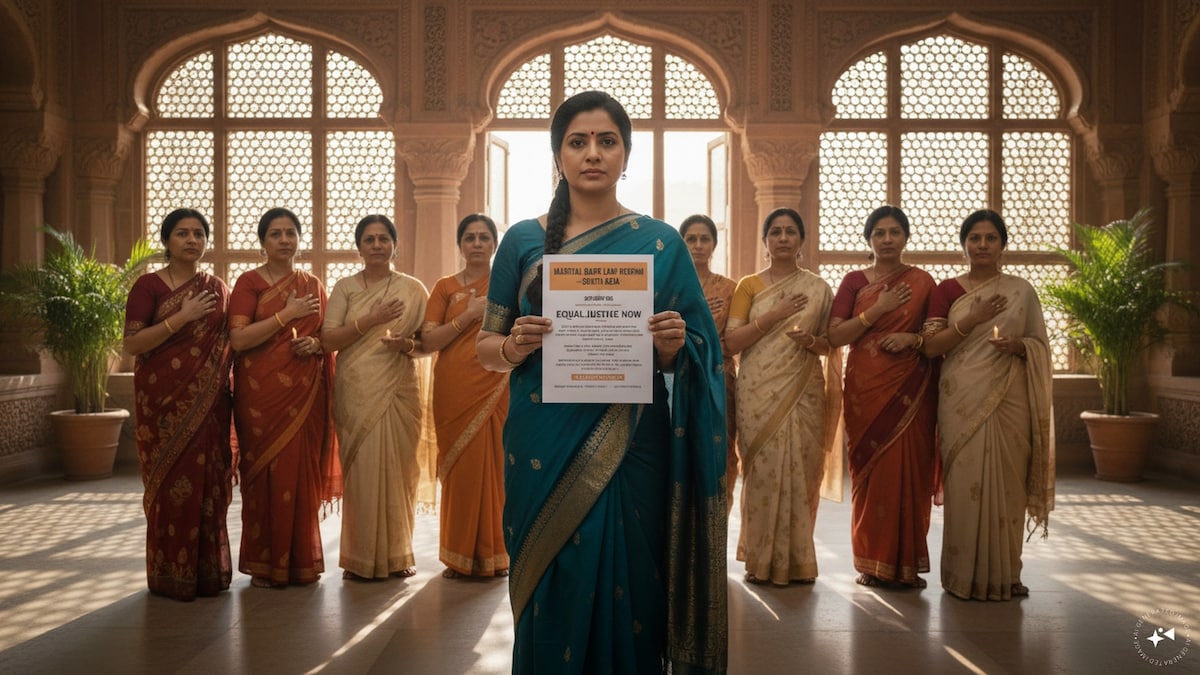
A comprehensive new study reveals that millions of wives and girls across South Asia remain entirely unprotected from marital rape due to widespread legal gaps and entrenched patriarchal frameworks.
According to research published by the South Asian Movement for Accessing Justice (SAMAJ), a coalition of women's rights groups, intimate partner violence across the region sits well above the global average. While more than a hundred countries globally have criminalised rape within marriage—including the BBC reporting on the historical UK legislative change—eight South Asian nations examined in the study exhibit severe legal shortcomings. The findings cover Afghanistan, Bangladesh, Bhutan, India, the Maldives, Nepal, Pakistan, and Sri Lanka.
Media additions

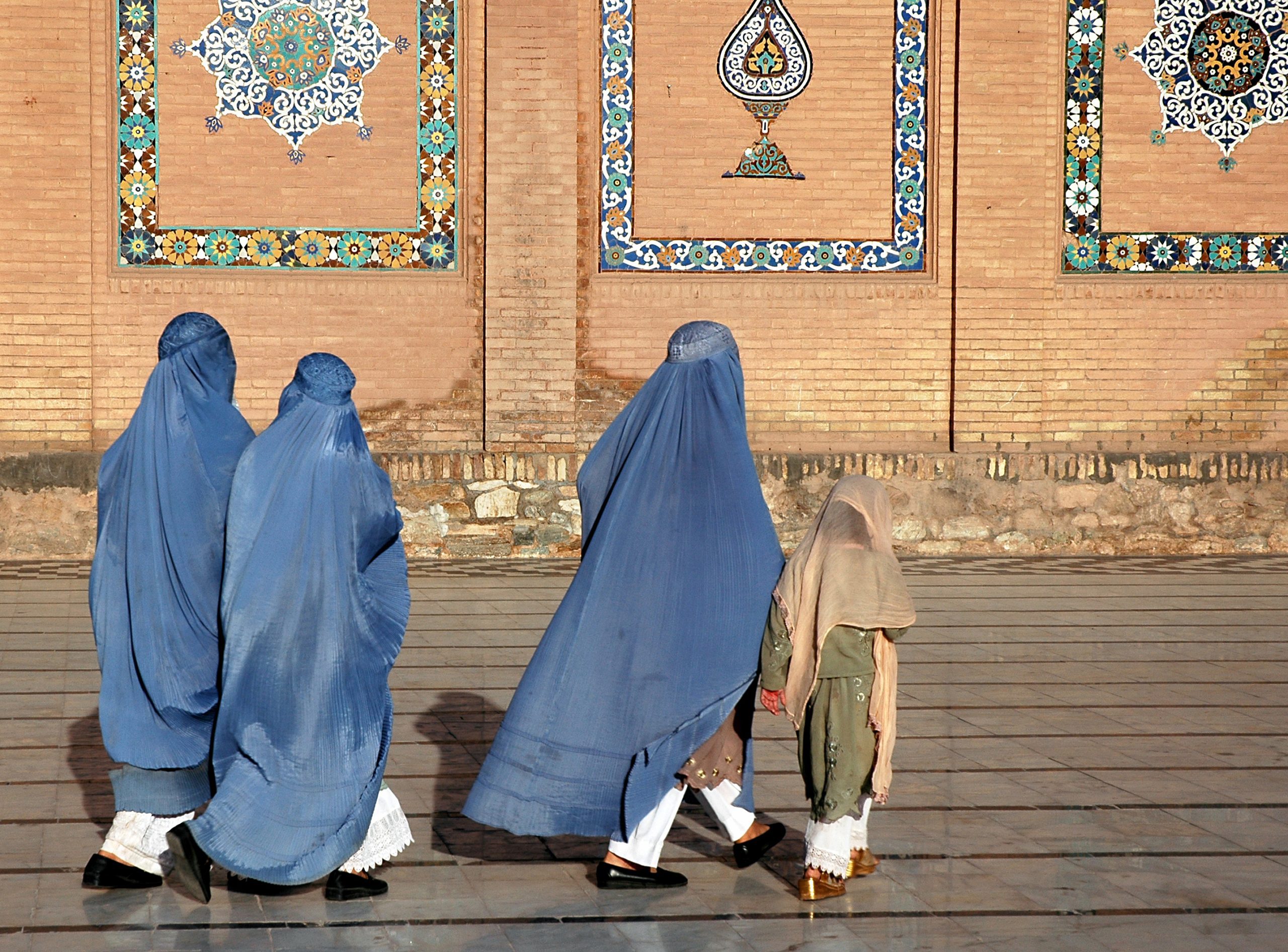

Campaigners trace many of these inadequate frameworks back to British colonial rule. Legal statutes dating to the nineteenth century codified exceptions that explicitly shield husbands from prosecution for non-consensual sexual acts against their adult wives. Ranjeeta Silwal of Equality Now, a global women's rights group part of Samaj, noted that these laws reflect the archaic view that marriage serves as a permanent threshold where personal consent ends, treating women as property.
Legal responses and penalties vary starkly across the eight monitored nations. The Maldives stands alone in the region by applying the exact same penalties to marital rape as any other form of sexual assault. Other nations enforce lesser punishments, carve out broad exemptions, or offer no legal remedy whatsoever.
| Country | Marital Rape Legal Status | Penalties & Legal Context |
|---|---|---|
| The Maldives | Criminalised | Attracts the same penalty as any other rape. |
| Bhutan | Criminalised | Classified as a petty misdemeanour, punishable by one month to one year in prison (compared to five to nine years for other rapes). |
| Nepal | Criminalised | Punishable by up to five years’ imprisonment (compared to six to 20 years for standard rape). |
| Pakistan | Ambiguous | Removed the explicit marital rape exception, but no higher court has confirmed applicability, and a recent high court ruling granted husbands broad immunity. |
| India | Exempt | Sexual acts between a man and his wife are not recognised as rape regardless of consent, save for limited exceptions under the Bharatiya Nyaya Sanhita where couples are separated. |
| Sri Lanka | Exempt | Recognised only in cases of informal or judicial separation; marital exemption otherwise applies. |
| Bangladesh | Exempt | Husbands are legally exempted from liability if the wife is above thirteen years of age. |
| Afghanistan | Exempt / Dismantled | No law bans non-consensual sexual intercourse within marriage under Taliban rule, compounded by narrow definitions of punishable domestic violence. |
The situation in Afghanistan has deteriorated sharply since the Taliban returned to power in 2021. A penal code introduced in January restricts prosecution of spousal violence exclusively to cases resulting in broken bones, open wounds, or severe bruising, carrying a maximum sentence of only fifteen days in prison. This restrictive framework forms part of a broader rollback of women's rights that has included the closure of women's shelters and sweeping restrictions on education and public life. Human rights monitors point to the tragic case of Hasina, a young Afghan woman who took her own life in August 2026 after enduring prolonged domestic abuse without legal recourse.
In India, the legal status of marital rape faces intense scrutiny. Ten separate petitions challenging the current statutory exemptions are currently pending before the Supreme Court. While various judges over the years have openly criticised the archaic nature of the law and urged Parliament to act, opposition remains fierce. According to CNBC-TV18, the Indian government, religious organisations, and men's rights groups have actively opposed the petitions, arguing that criminalisation would prove excessively harsh, destabilise the family unit, and invite false accusations.
Similar legal challenges are unfolding elsewhere. Rights groups in Bangladesh have argued that marital rape exceptions directly violate constitutional guarantees protecting life, liberty, and freedom from torture. Meanwhile, regional experts caution that merely amending statutory definitions may not instantly translate to justice for survivors, pointing to jurisdictions where lesser penalties or systemic judicial barriers continue to obstruct accountability.
What to watch next
- Final hearings for the ten petitions challenging India's marital rape laws are scheduled to open before the Supreme Court on December 9.
- International human rights bodies continue to monitor the enforcement of restrictive domestic decrees and penal codes under Taliban authorities in Afghanistan.
- Regional civil society coalitions plan further advocacy campaigns targeting colonial-era legal exemptions across South Asian parliaments.
For related international coverage, visit World coverage.


