Solo dining bookings rise across UK as trend becomes self-care treat
Solo dining bookings are on the rise across the UK as a growing number of people embrace restaurant tables for one as a deliberate form of self-care.

Solo dining bookings are on the rise across the UK as a growing number of people embrace restaurant tables for one as a deliberate form of self-care and personal independence.
According to figures from the online booking platform OpenTable, solo dining reservations in the UK recorded a 23% increase over an eight-month period compared to the same timeframe a year prior. While single diners still account for the smallest proportion of the platform's overall UK reservations, they represent its fastest-growing category. Industry analysts point to a broader cultural shift in how people view eating out alone. Food trends analyst Charles Banks, joint managing director of The Food People, notes that eating alone has evolved into an intentional act and a pocket of independence and indulgence, rather than merely an incidental consequence of business travel.
Media additions

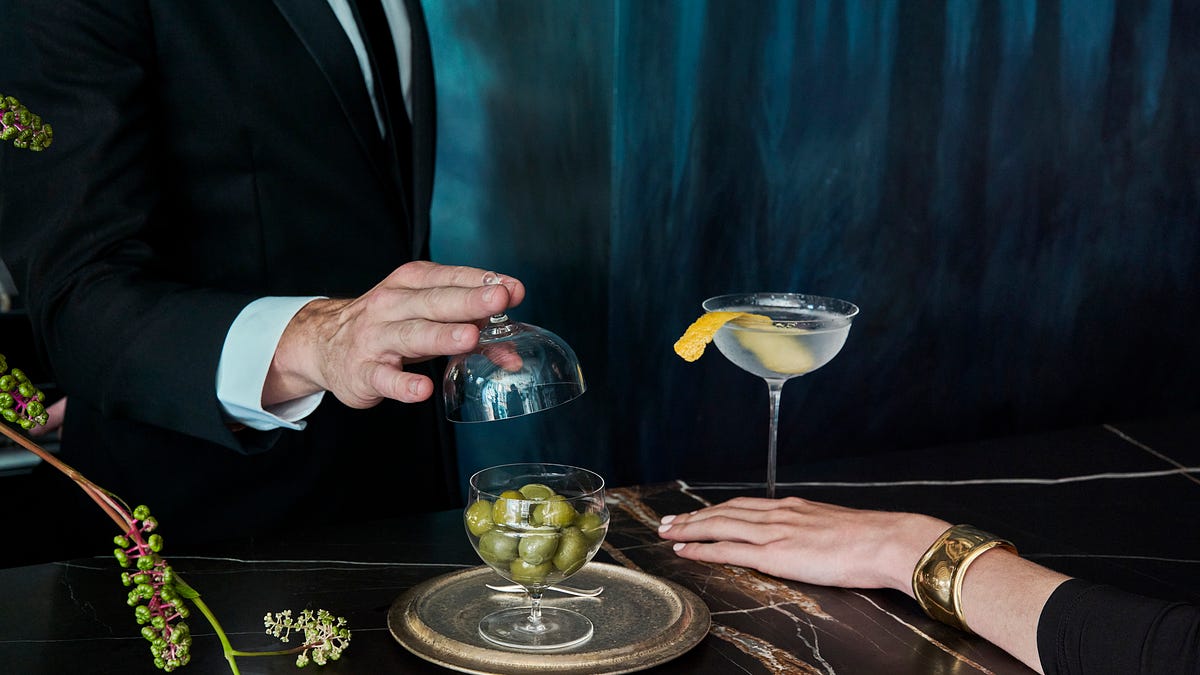
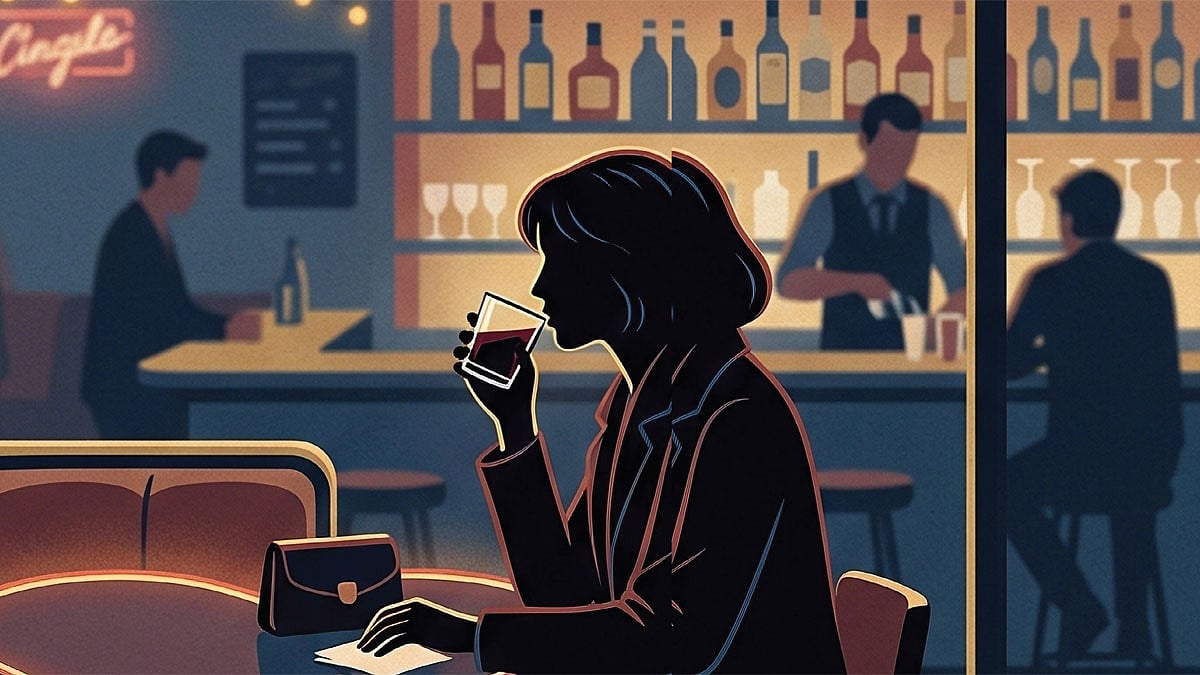
This rising trend extends far beyond the UK. International reporting highlights similar momentum worldwide. Data cited by Open Magazine indicates that solo dining reservations in the United States grew by 29% over a two-year period, with comparable upward trajectories observed in Germany and India. For many diners, carving out time for a meal alone serves as a restorative ritual. Clinical psychologist Anupama S notes in Open Magazine that intentionally setting aside time for solo dining experiences can offer profound psychological benefits, particularly for individuals navigating the immense pressures of modern domestic life or postpartum transitions. Unlike passive wellness treatments, constructing an evening out entirely around one's own preferences allows individuals to reclaim autonomy over their time, choices, and appetites.
| Region / Platform | Solo Dining Growth Metric | Context / Timeframe |
|---|---|---|
| UK (OpenTable) | 23% increase | Measured between 1 January and 31 August compared to the previous year, per BBC reporting |
| United States (OpenTable) | 29% increase | Observed across a two-year period, as reported by Open Magazine |
| India (District by Zomato) | 1.5x higher spend per person | Solo diners spending more per head than groups, per Open Magazine |
Despite the growing enthusiasm, single diners still encounter systemic friction within the hospitality sector. A survey by the reservation-finding site SoloTable revealed that one in eight restaurants across 178 analyzed venues in London declined to accept online bookings from solitary diners. Food trends analyst Charles Banks explains that some establishments historically viewed single guests as an inefficient use of table capacity rather than desirable patrons. However, forward-thinking hospitality venues are increasingly adapting their layouts and service models to welcome solo guests.
Venues across global dining scenes are actively reshaping their spaces to accommodate solo patrons. In Newcastle upon Tyne, the Indian restaurant Jungli has incorporated high tables, bar seating, and device-charging points specifically designed to make solo visitors feel comfortable. Co-founder and director Yousaf Khalid explains that the venue aims to cultivate an environment where individuals can walk in independently, supported by staff trained to balance engaging conversation with quiet attentiveness. Similarly, restaurants in Mumbai and Bengaluru have introduced smaller-format tasting menus and interactive seating arrangements, such as counter service and dedicated chef's tables, to cater to diners arriving unaccompanied.
For patrons like Catherine Smith, a 23-year-old from Yorkshire who dines alone at high-end restaurants at least once a month, the practice offers a powerful sense of agency. Spending anywhere from £100 to £200 per meal, she enjoys the freedom to select menus tailored entirely to her own palate without needing to compromise with companions. Sharing these experiences on social media and documenting solo dates through photography has further turned private dining moments into a widely shared cultural conversation, encouraging others to overcome initial hesitations. As restaurants continue to refine their approach to single covers, dining alone has firmly established itself as an empowering act of self-care and personal celebration.