.ai domains outpace .com in average price as market boom hits $160m Q2
For the first time, premium .ai domains have outpaced comparable .com names in average price, hitting $535,000 amid a $160 million Q2 transaction surge.

- Core Development: For the first time, premium .ai domains have outpaced comparable .com names in average price, hitting $535,000 amid a $160 million Q2 transaction surge.
- Beat Context: Categorized under Business with independent corroboration.
- Reporting Depth: 4 minute analytical read synthesized from verified newsroom sources.
.ai domains outpace .com in average price as market boom hits $160 million Q2
For the first time a premium .ai name fetched a higher average price than a comparable .com, a shift that investors say signals a new era for digital real‑estate assets. The move comes amid a $160 million transaction surge in the second quarter of 2026, a 25% quarter‑on‑quarter jump that has industry watchers scrambling to gauge whether the momentum will cement .ai as the next flagship web extension.
Escrow.com’s Domain Investment Index, the source of the data, broke down the numbers: exact‑match .ai sales climbed from an average of $148,000 at the start of the quarter to $535,000 by its close. By contrast, premium .com names averaged $529,000, leaving the AI‑focused extension just ahead.
Media additions

“The rise reflects AI’s transformation from a niche technology to a foundational layer across sectors such as healthcare, finance and logistics,” the index notes. Companies are rushing to secure short, memorable .ai labels that instantly broadcast technical credibility, a trend reinforced by high‑profile examples like Character.ai, Stability.ai and Inflection.ai.
Investors are not only buying active sites. An extraordinary 92% of the quarter’s domain‑transaction value involved names without an operational website, a pattern analysts liken to land banking in traditional property markets. Buyers are betting that future demand will drive appreciation, much as developers purchase plots today in anticipation of tomorrow’s urban growth.
Comparative snapshot – Q2 2026
| Metric | .ai | .com |
|---|---|---|
| Average sale price | $535,000 | $529,000 |
| Total transaction volume | $37.7 million | $10 million (baseline for .ai) |
| Quarter‑on‑quarter growth (volume) | 270% | – |
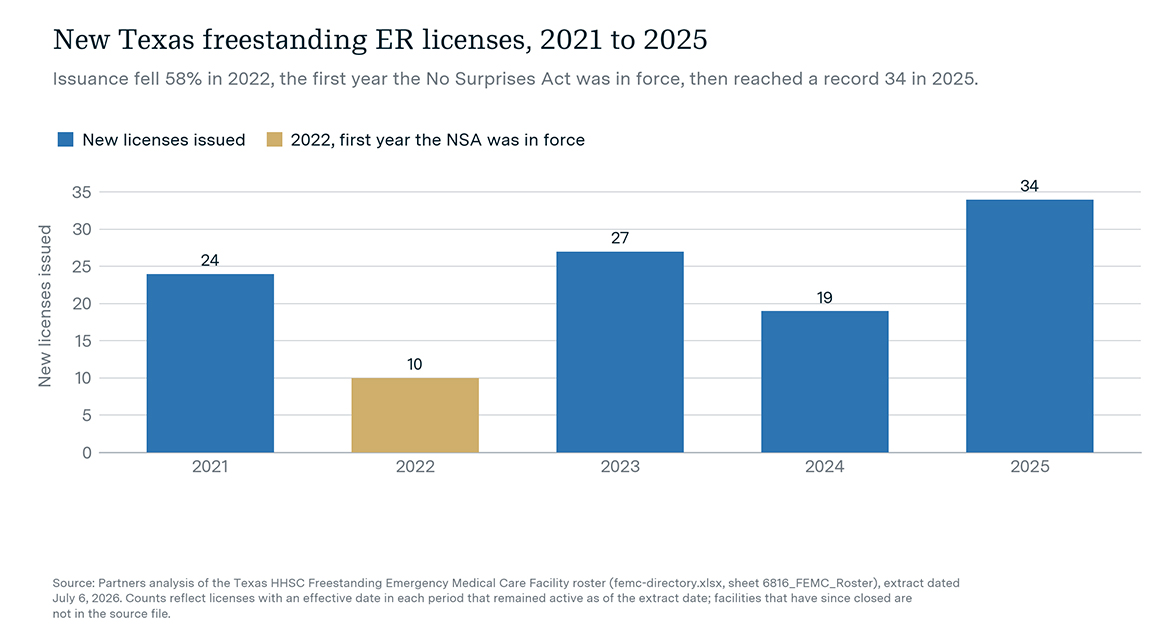
The surge in .ai figures sits alongside broader real‑estate dynamics that echo the same speculative vigor. In Texas, the emergency‑care sector has experienced a dramatic policy‑driven reversal. The No Surprises Act’s arbitration mechanism, initially expected to process around 17,000 cases a year, exploded to roughly 2.5 million filings by 2025. Physicians have prevailed in an estimated 80 to 85 percent of those disputes, prompting a wave of new freestanding emergency department (FSED) projects despite earlier downturns.
“The arbitration process has effectively handed providers a gold rush,” one industry source warned, noting that arbitration judgments have tripled year‑over‑year to $15 billion. The result? Developers are once again courting the FSED model, constructing facilities in high‑growth suburbs of Houston, Dallas‑Fort Worth, Austin and San Antonio, where land costs can climb to $800 per square foot for specialized infrastructure.
Across the globe, India’s commercial‑real‑estate market is witnessing a parallel expansion, driven by Global Capability Centres (GCCs). CBRE’s latest policy‑advantage report outlines how seven states are targeting 1,380 new GCCs and almost 12 lakh jobs by 2031. The consortium of states—Karnataka, Maharashtra, Rajasthan, Gujarat, Kerala, Haryana and Madhya Pradesh—has already brokered more than 123 million square feet of office space between 2022 and the first half of 2026.
“The pace at which state governments have formalised dedicated GCC policies is unprecedented in India’s commercial real estate landscape,” CBRE’s regional chairman said, underscoring how policy incentives, faster approvals and long‑term infrastructure commitments are reshaping the demand curve for high‑skill office space.
While .ai domains, FSED facilities and GCC campuses occupy distinct physical‑or‑digital realms, they share a common investment narrative: policy, technology and market sentiment can together rewrite asset‑class fundamentals in a matter of months.
What drives the .ai premium?
- Brand signalling – A single‑word .ai address instantly communicates AI expertise, a valuable differentiator in crowded tech incubators.
- Investor confidence – The $160 million Q2 total, buoyed by a 25% quarterly rise, reflects broader confidence in AI‑related business models and venture‑capital pipelines.
- Speculative parking – With 92% of transaction value tied to parked domains, investors are betting on future brand‑building, not immediate traffic.
What to watch next
- Whether the .ai average price edge persists into Q3 2026, a key barometer for sustained demand.
- Potential regulatory adjustments to the No Surprises Act arbitration process, slated for review after the August 3, 2026 rule overhaul.
- Implementation of India’s GCC incentives, with state‑level roll‑outs expected to accelerate through 2027.
- Emergence of active websites on premium .ai names, which could shift the market from pure speculation to operational value.
Analysts caution that a single quarter of outperformance does not guarantee a lasting overthrow of .com’s dominance. Yet the convergence of high‑technology branding, robust transaction volumes and the parallel real‑estate surges in Texas and India suggests that digital and physical asset markets are increasingly entwined.
For investors tracking the frontier of “digital real estate,” the next few months will be decisive. The combination of policy‑driven rebounds in emergency‑care facilities, aggressive GCC expansion, and a record‑setting .ai price surge creates a multi‑sector tableau where timing and strategic placement could define the winners of the 2026 investment season.
Further insight into the domain market can be found in Digital Journal’s analysis. Details on the emergency‑care arbitration surge are covered by Rebusiness Online, while the Indian GCC roadmap is described by People Matters.
Stay updated with the latest on corporate finance, market trends and real‑estate shifts at our Business coverage hub.
How significant is this development?
Contribute your assessment to the aggregated reader sentiment ledger.
Frequently Asked Questions
Key questions answered in this reportWhat is the key development in: .ai domains outpace .com in average price as market boom hits $160m Q2?
For the first time, premium .ai domains have outpaced comparable .com names in average price, hitting $535,000 amid a $160 million Q2 transaction surge.
Why is this Business development significant for the UK?
This report covers critical events in our Business beat. Independent reporting monitors related UK statements, regulatory shifts, and public responses as further verified details emerge.
How was this reporting corroborated and verified?
Newsarchy UK compiles and cross-references reporting from primary reporting from rebusinessonline.com and cross-checked wire reports. All coverage adheres to published editorial standards.
When was this report published?
This briefing was published on August 20, 2026 and is permanently cataloged in the Newsarchy UK Business archives.