Andrew Bailey warns banks may pass Labour tax hike costs to customers
Bank of England Governor Andrew Bailey has warned that UK lenders will likely pass the costs of a doubled corporation tax surcharge onto consumers through costlier loans and lower savings rates.

Bank of England governor Andrew Bailey warned that UK lenders are likely to pass the costs of a newly enacted corporation tax surcharge onto everyday consumers through costlier loans or reduced savings rates.
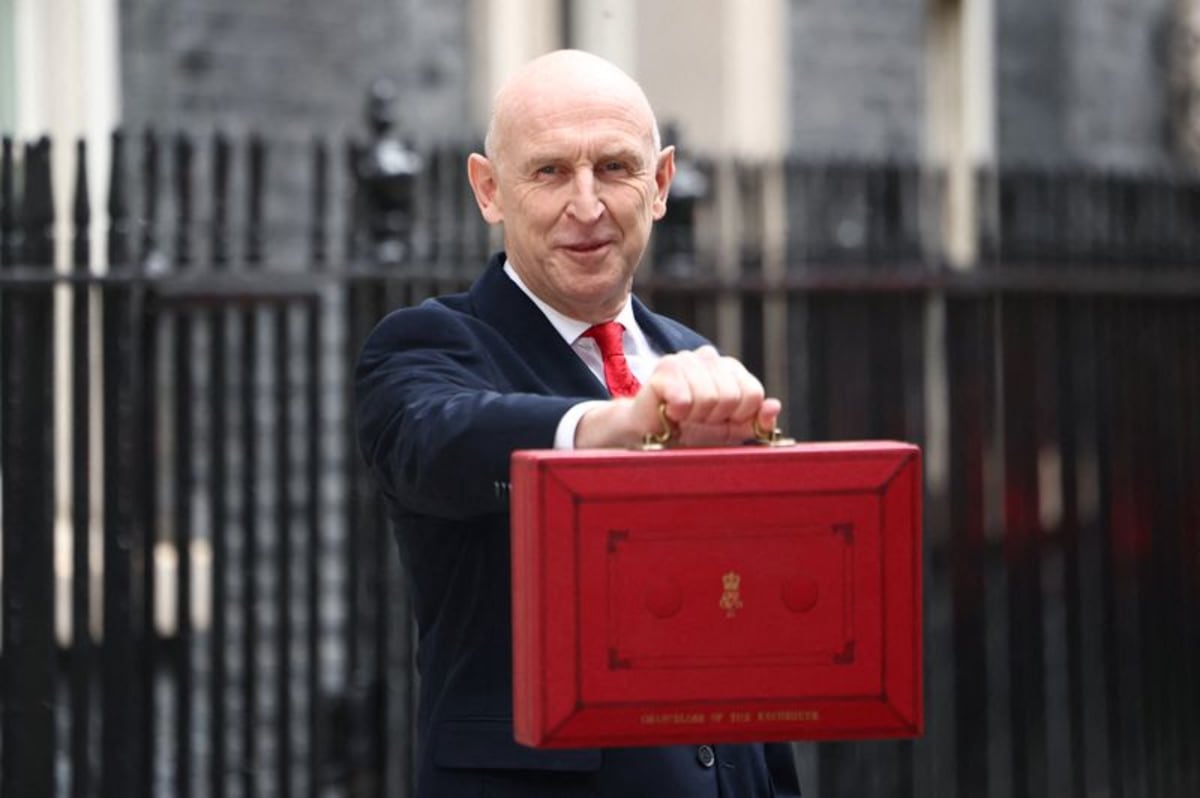
The intervention follows Chancellor John Healey's Budget, which doubled the banking corporation tax surcharge from three percent to six percent starting in January. According to reporting by The Standard, Mr Bailey stated in an interview that lenders may look to pass on the hit from the recent Budget tax raid to protect their earnings.
Media additions
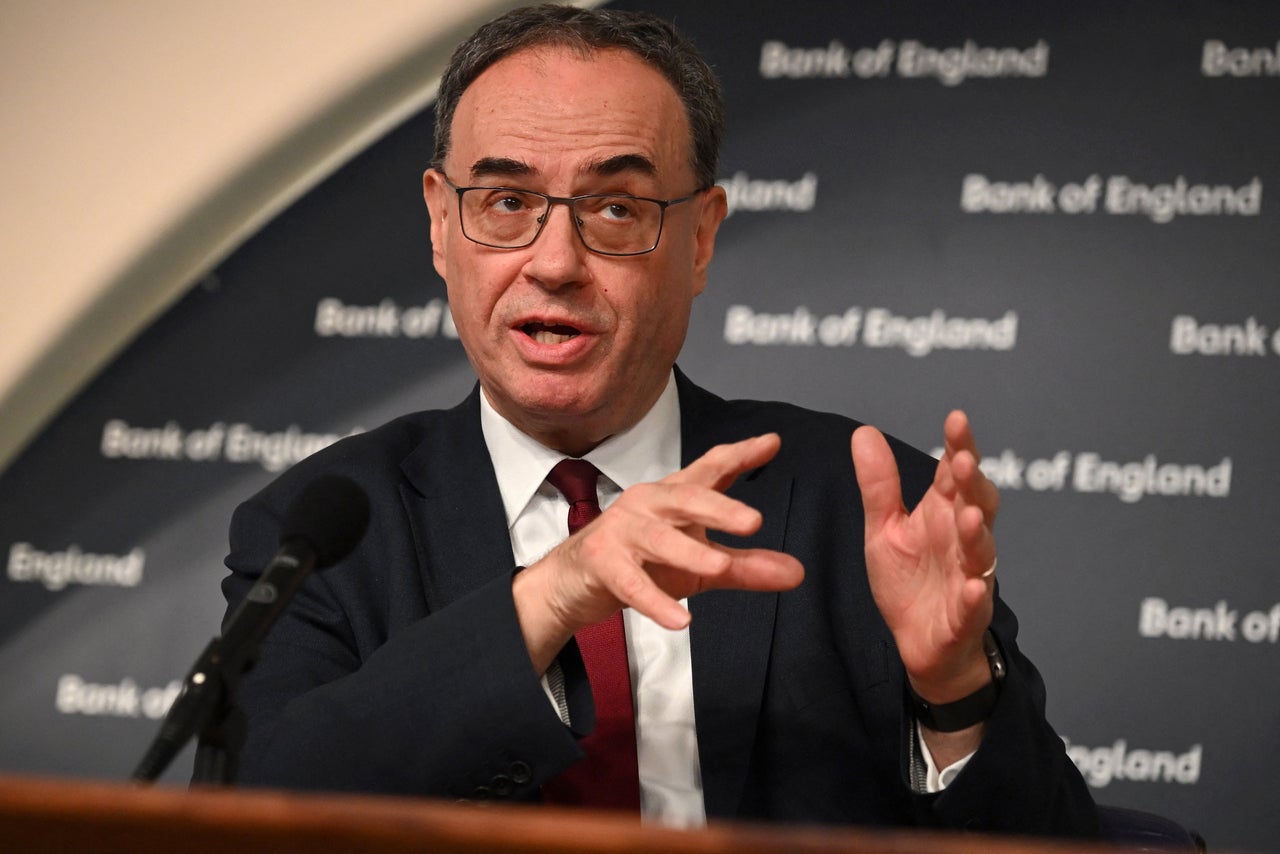
"It's a market economy, so these are decisions banks will have to take," Mr Bailey said, as noted by Aol. "You could understand that they will look to pass it on because they will be targeting a rate of return." He added that ultimate success in shifting those costs depends on market conditions and high street competition.
The Chancellor defended the measure as a temporary, 15-month policy designed to raise an estimated £1.5 billion to help fund household energy bill support. However, banking executives and financial institutions strongly opposed the levy prior to its implementation. As reported by the Daily Mail, industry leaders held showdown talks with Mr Healey ahead of the fiscal event, warning that UK lenders already face significantly higher tax burdens than international competitors in financial hubs like Frankfurt and New York.
Mounting Pressures on Households and Mortgages
The warning from the central bank chief compounds an already severe financial squeeze for British families. The Bank of England's latest Financial Stability Report highlights that approximately 6.5 million households face climbing mortgage repayments over the coming three-year period as fixed-rate deals expire. Typical borrowers coming off fixed tariffs are projected to see average monthly payments jump by about £100, which is double the projection issued by the Bank in July.
More than one million homeowners currently on mortgage rates below three percent who are due to refinance face average increases of nearly £200 a month when moving onto an average 5.5 percent rate. Furthermore, roughly 430,000 households could experience monthly increases exceeding £500. This pressure is amplified by the Bank's decision to hike its base interest rate to four percent to combat inflation driven by the ongoing conflict in Iran.
Simultaneously, energy costs are surging. Ofgem’s energy price cap is set to jump by 26 percent in January, driving the typical annual bill to £2,166. As detailed by Newswav, these wholesale price spikes threaten to outstrip direct government support payments. The Daily Express noted that compounding tax adjustments and rising mortgage rates risk pushing the UK housing market toward a severe downturn, with buyer demand already contracting across multiple regions.
Wider Fiscal Context and Economic Warnings
The tax hike on banks was introduced as Prime Minister Andy Burnham's administration grapples with a reported £35 billion black hole in public finances and pressures to expand defence spending toward NATO commitments. The Institute for Fiscal Studies warned that the government faced difficult trade-offs between tax increases, welfare spending, and service deterioration.
| Metric / Projection | Previous Estimate / Baseline | Current Bank of England / Official Figure |
|---|---|---|
| Banking Surcharge Rate | 3% | 6% (effective January) |
| Households Facing Higher Mortgage Repayments | Lower prior projections (July report) | 6.5 million households over three years |
| Average Monthly Mortgage Increase (Typical Borrower) | Approx. £50 (July report) | Approx. £100 a month |
| Base Interest Rate | 3.75% | 4% |
| Typical Annual Energy Price Cap (from January) | Varies by prior cap | £2,166 per year (26% jump) |
Tensions between policymakers and financial regulators have remained visible. According to London Business News, prior warnings from Mr Bailey regarding market confidence and potential fiscal crises prompted friction within government circles, with critics arguing the governor stepped beyond his mandate.
What to Watch Next
- The banking corporation tax surcharge is scheduled to take formal effect in January, at which point commercial lenders will reveal their updated savings and mortgage pricing strategies.
- Ofgem's 26 percent energy price cap increase takes effect in January, coinciding with the implementation of the bank levy funds intended to support household bills.
- Further monetary policy announcements from the Bank of England will indicate whether ongoing energy price volatility necessitates additional base interest rate hikes.
- For related coverage on corporate financial pressures and energy utilities, see Centrica warns of mounting unpaid energy bills as January price cap rises or explore broader Business coverage.