China's GDP Growth Unexpectedly Dips Below Official Target Range
China's economic expansion slowed to its lowest point since the final quarter of 2022, prompting financial institutions to downgrade full-year forecasts. Policymakers are now considering fiscal interventions to address the imbalance between strong export growth and weak demand.

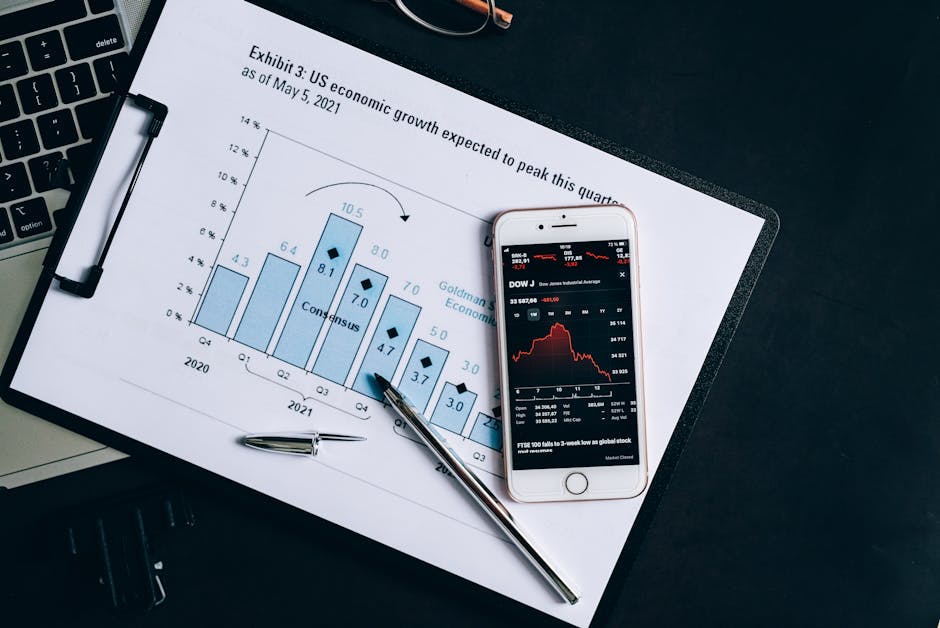
China's economy expanded by 4.3% in the second quarter of 2026, a result that falls below the official government target range of 4.5% to 5% for the year. Data released by the National Bureau of Statistics on Wednesday, 15 July 2026, confirms this is the slowest quarterly expansion for the country since the final quarter of 2022. While the economy grew by 4.7% during the first half of the year, the second-quarter performance indicates a cooling trend that has intensified discussions regarding the effectiveness of current economic policies.
The slowdown is characterized by a persistent imbalance between supply and demand. Industrial output rose 5.3%, fueled by a surge in high-tech exports, including semiconductors, robotics, and electric vehicles. Exports jumped 27% in June compared to a year earlier, contributing to a substantial trade surplus. However, this export-heavy growth contrasts with weak domestic consumption. Fixed-asset investment contracted by 5.7% during the first half of the year. The ongoing property sector slump remains a significant drag on household wealth and consumer confidence, with retail sales rising only 1% in June.
Media additions
External factors have further complicated the outlook. The ongoing conflict involving Iran has pushed energy prices higher, increasing industrial costs. Market analysts note that businesses are struggling to manage these expenses. Fabien Yip, an analyst at IG, stated that manufacturers are absorbing these costs because
. The inflationary pressure from rising energy prices and the global trade environment are forcing Beijing to navigate a complex transition as it aims to pivot toward higher-quality, innovation-led growth."demand at the till is too weak to bear it"
Fabien Yip, market analyst, via BBC
There is disagreement among observers regarding the significance of the target miss. Some analysts, such as Julian Evans-Pritchard of Capital Economics, suggest that the lower growth targets set in March have
, rather than signaling a sudden economic collapse. Conversely, others view the miss as a clear sign of structural fragility. Major financial institutions, including Goldman Sachs, Morgan Stanley, and Australia & New Zealand Banking Group, have responded to the data by revising their full-year growth forecasts downward."given the authorities more room to acknowledge the reality on the ground"
Julian Evans-Pritchard, head of China economics, via Finance
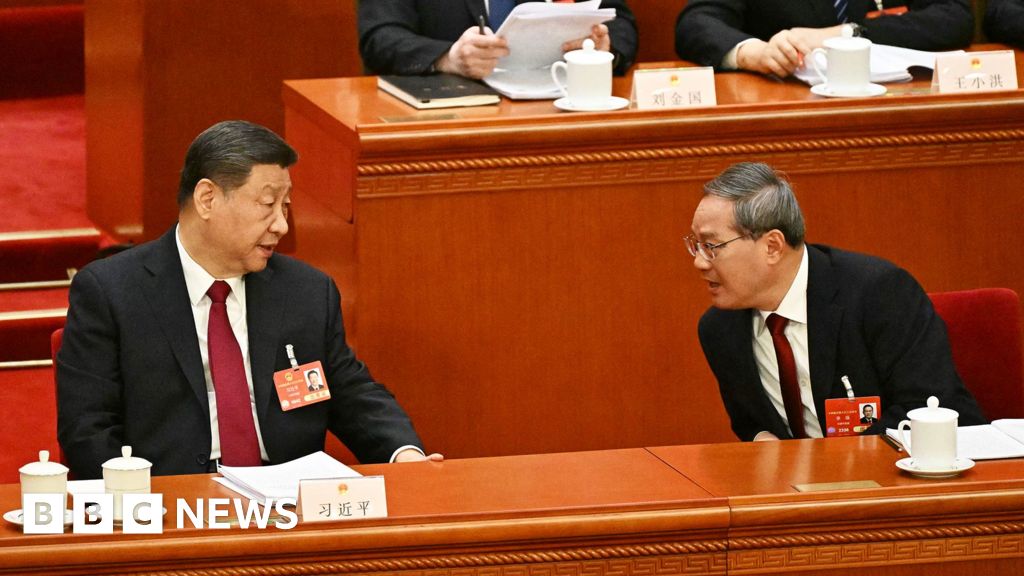
Official representatives have sought to frame the results as a product of temporary challenges. Mao Shengyong, deputy head of the National Bureau of Statistics, attributed the decline to short-term and external factors, noting that the economic fundamentals remain unchanged. Meanwhile, Premier Li Qiang has called for the preparation and study of additional policies to address the cooling momentum.
The focus for policymakers now shifts to the upcoming meeting of the ruling Communist Party’s Politburo, expected to take place later this month. Analysts anticipate that the meeting will clarify the government’s approach to securing its annual growth goal. Potential measures under consideration include:
- The acceleration of public spending to bolster infrastructure projects.
- Evaluation of fiscal measures to support domestic demand.
- A prioritization of the implementation of previously approved policies.
While the government has invested heavily in high-tech sectors as part of its long-term development strategy, the immediate challenge remains the reliance on exports to offset weak internal demand. As the country moves through this transition, the outcome of the Politburo meeting will be critical in determining whether Beijing opts for targeted fiscal interventions or continues a more conservative approach to economic management.