Oil prices rise as hostilities worsen in the Middle East
Brent and WTI crude prices increased after U.S. strikes on Iranian military targets sparked fears of supply disruptions through key energy shipping routes.
- Core Development: Brent and WTI crude prices increased after U.S. strikes on Iranian military targets sparked fears of supply disruptions through key energy shipping routes.
- Beat Context: Categorized under Business with independent corroboration.
- Reporting Depth: 4 minute analytical read synthesized from verified newsroom sources.
Barrels of Brent and U.S. West Texas Intermediate (WTI) nudged higher on Wednesday after the United States launched a fresh wave of strikes on Iranian military facilities. The move, paired with a re‑imposed naval blockade of Iranian ports, has pushed Brent a fraction above $84 per barrel and WTI past $79 per barrel, reviving concerns that supply shortcuts through the Strait of Hormuz could throttle global energy flow.
Investors are wrestling with two opposing signals. On one hand, U.S. Forces say the new bombardments are meant to “further degrade military capabilities Iranian forces have used to attack commercial shipping in the Strait of Hormuz.” On the other, analysts warn that Tehran’s grudging threats to seal off “all other export corridors that benefit the U.S. And its allies” could expand the risk matrix to the Bab el‑Mandeb gateway, a second artery for world oil.
Media additions
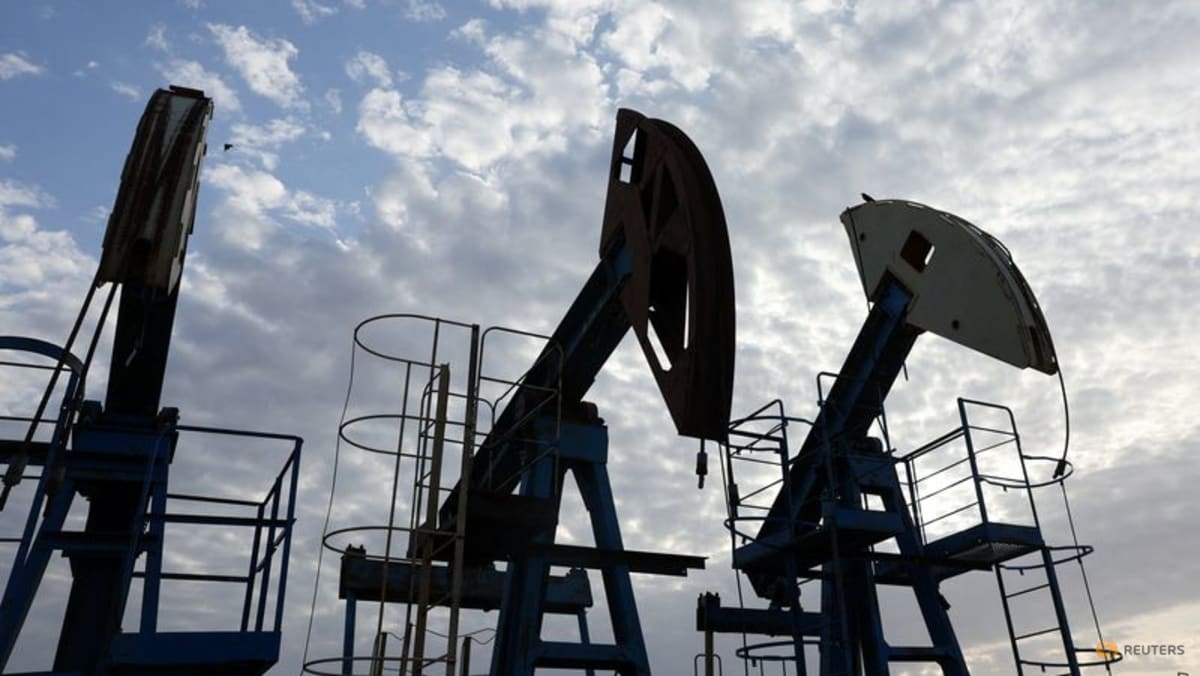

At 1214 GMT, Brent futures in London were up 18 cents, or 0.2 per cent, to $84.91 a barrel, while U.S.‑listed WTI lifted 26 cents, or 0.3 per cent, to $79.60 a barrel. The rise mirrored a broader one‑day gain of about 2 per cent that set a one‑month high on Tuesday, when attacks first rattled the tight‑rope flow through the Hormuz strait. Aol reported the same price moves, confirming the market’s quick reaction to the latest kinetic exchange.
Earlier on Wednesday, the U.S. Military said it had hit dozens of military targets near the strategic waterway and Iranian coastal areas in strikes lasting seven hours. The United States framed the campaign as an effort to limit Tehran’s ability to threaten commercial traffic, a claim echoed in the Pentagon’s own statement that the strikes were “designed to further degrade military capabilities Iranian forces have used to attack commercial shipping in the Strait of Hormuz.” Channel News Asia highlighted the same language.
In response, Iran’s Islamic Revolutionary Guard Corps (IRGC) retaliated, announcing hits on U.S. Military targets in the region, including in Bahrain, Kuwait and Jordan. An IRGC statement, carried by Iran’s IRNA news agency, warned that “regional energy exports are either shared by all, or denied to all,” and that it was ready to shut “all other export corridors that benefit the U.S. And its allies.” Yahoo Finance reproduced the warning verbatim.
Analysts across the financial spectrum are looking beyond the immediate price tick. UBS analyst Giovanni Staunovo noted that the U.S. Naval blockade of ships coming and going to Iranian ports, combined with Iranian crude output hovering between 1.5 million and 2 million barrels per day in recent weeks, helped reinforce the market’s upward bias. Channel News Asia quoted Staunovo’s assessment.
Goldman Sachs, meanwhile, reminded investors that Gulf exports had briefly rebounded to more than 80 per cent of pre‑war levels after a June memorandum of understanding, only to slip back below 50 per cent—about 11 million barrels per day—over the last week. The bank warned that if the Gulf export recovery stalls, Brent could breach $110 in the fourth quarter. AOL carried the same projection.
Market sentiment remains cautious, however. Saxo Bank’s head of commodity strategy Ole Hansen warned that the “war games” narrative often inflates price expectations without delivering material outcomes. AOL recorded his remark, underscoring the “sanguine approach” many traders have adopted to volatile geopolitical headlines.
"While the physical oil market remains adequately supplied, any further escalation involving the Strait of Hormuz or additional sanctions on Iranian exports could quickly tighten market sentiment and add further risk premiums,"
Priyanka Sachdeva, senior market analyst at Phillip Nova, via KLS Escreener
Beyond the immediate Hormuz corridor, analysts have flagged the potential for the Iran‑aligned Houthi rebels in Yemen to target the Bab el‑Mandeb strait, a chokepoint that funnels oil from Saudi Arabia’s Yanbu terminal into the Red Sea. The threat of a dual‑front blockade could strain the “two of the world’s most vital energy arteries,” according to multiple sources. Yahoo Finance highlighted this scenario.
The hostilities between Iran and the U.S. Reignited last week, fraying an already fragile truce reached in June after several months of fighting. Channel News Asia reminded readers that the fragile ceasefire frayed last week, setting the stage for today’s escalation.
How significant is this development?
Contribute your assessment to the aggregated reader sentiment ledger.
Frequently Asked Questions
Key questions answered in this reportWhat is the key development in: Oil prices rise as hostilities worsen in the Middle East?
Brent and WTI crude prices increased after U.S. strikes on Iranian military targets sparked fears of supply disruptions through key energy shipping routes.
Why is this Business development significant for the UK?
This report covers critical events in our Business beat. Independent reporting monitors related UK statements, regulatory shifts, and public responses as further verified details emerge.
How was this reporting corroborated and verified?
Newsarchy UK compiles and cross-references reporting from primary reporting from channelnewsasia.com and cross-checked wire reports. All coverage adheres to published editorial standards.
When was this report published?
This briefing was published on July 15, 2026 and is permanently cataloged in the Newsarchy UK Business archives.