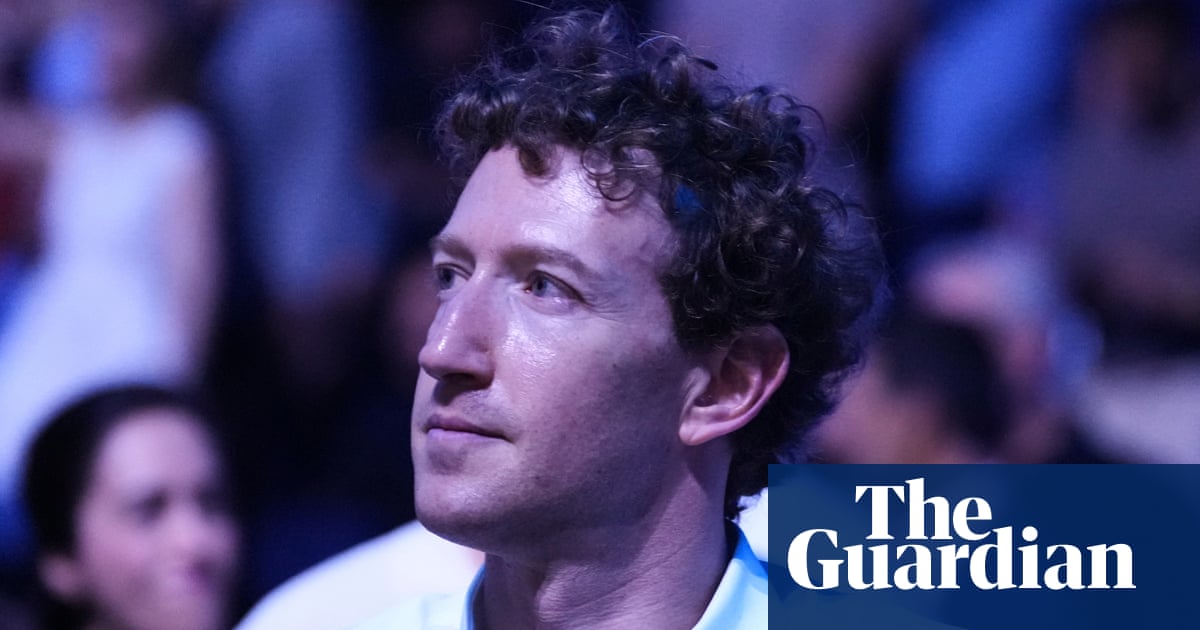
Paramount’s David Ellison says critics don’t get his politics
Paramount Chairman David Ellison is defending his proposed merger with Warner as watchdogs and attorneys general raise antitrust and ethics concerns.
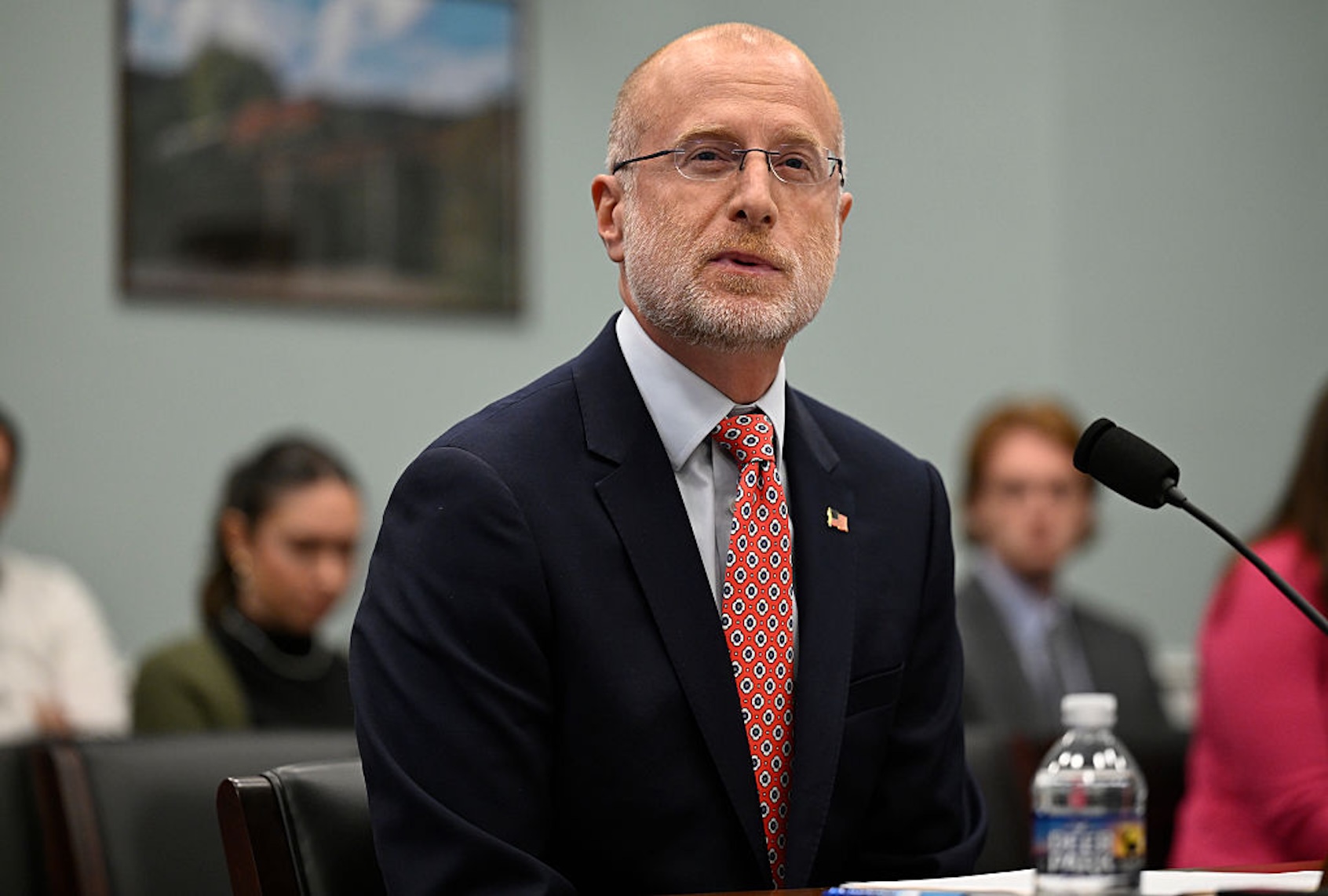
- Core Development: Paramount Chairman David Ellison is defending his proposed merger with Warner as watchdogs and attorneys general raise antitrust and ethics concerns.
- Beat Context: Categorized under Business with independent corroboration.
- Reporting Depth: 4 minute analytical read synthesized from verified newsroom sources.
Paramount Chairman David Ellison has broken his silence on the fierce opposition surrounding his proposed multibillion-dollar purchase of Warner Bros. Discovery, arguing that the public resistance is rooted in skepticism over who controls major newsrooms rather than traditional market competition.
In a recent opinion piece published in the New York Times, Ellison addressed what he termed speculation regarding his political loyalties and intentions. I have regularly voted for candidates of both parties; I hold some views that would be called conservative and others that would be called liberal, just like most Americans,
Ellison wrote, according to the Los Angeles Times.
The acquisition faces mounting legal challenges. California Attorney General Rob Bonta, leading a coalition of Democratic state attorneys general, filed an antitrust lawsuit to block the combination. The states argue that uniting two major film studios would grant the resulting entity control over a significant share of the wide-release theatrical market and more than fifty cable channels, including CNN, TBS, HGTV, and Comedy Central. A separate lawsuit filed by the Writers Guild of America warns that industry consolidation could diminish pay and creative opportunities for writers.
Ellison countered that critics are clinging to outdated definitions of the entertainment industry. Both suits imagine a Hollywood that no longer exists — an industry ruled by a handful of legacy studios,
Ellison wrote, pointing to competition from streaming platforms such as Netflix, Google’s YouTube, and Amazon Studios.
While global regulators and the U.S. Justice Department have cleared the transaction, the deal has sparked intense debate within the creative community. More than 5,000 entertainment workers — including prominent figures such as Jane Fonda, Ben Stiller, Bryan Cranston, and Mark Ruffalo — signed an open letter urging state authorities to halt the merger. Critics have raised concerns over Ellison's family ties to President Trump, executive shakeups at CBS News, and political lobbying events.
U.S. District Judge Araceli Martínez-Olguín issued a temporary restraining order to pause the merger while the parties litigate the dispute. State attorneys general have proposed a two- to three-week trial to begin in April, whereas Paramount has pushed for a start date of November 4. Under a temporary agreement, Paramount has agreed to keep the merger on hold until the litigation resolves or until June 1, whichever comes first.
Ethics complaints target FCC gifts
Simultaneously, the regulatory approval process faces scrutiny on a separate front. Two government watchdogs, the Democracy Defenders Fund and Citizens for Responsibility and Ethics in Washington (CREW), have filed formal ethics complaints demanding investigations into Federal Communications Commission members.
The complaints cite a ProPublica investigation detailing how CBS or its parent company, Paramount, have provided FCC commissioners with tickets to the Kennedy Center honors gala for years. According to financial disclosures cited in the reports, Commissioner Olivia Trusty received two tickets valued at more than $12,000 for the December 2025 gala. FCC Chair Brendan Carr reported accepting gala tickets eight times since his appointment, totaling over $75,000 in gifts, including a 2025 disclosure valued at $12,390.
The watchdogs allege that Carr sat in a private skybox with his wife alongside Paramount CEO David Ellison during the December 2025 event, noting that comparable Kennedy Center seats were priced significantly higher. Ethics experts cited in the reports argue that accepting such benefits compromises the commission's impartiality during active media merger reviews.
The Democracy Defenders Fund, led by Norman Eisen, filed its grievance with the federal Office of Government Ethics, the FCC’s inspector general, and the agency’s ethics office. The filing requests an examination of whether federal gift regulations or gratuities statutes were violated, and asks that Carr and Trusty be disqualified from further participation in the Paramount-Warner Bros. Discovery review. CREW, headed by Donald K. Sherman, filed a parallel request for an inspector general probe.
Neither the FCC, Carr, nor Trusty responded to requests for comment regarding the complaints. An agency spokesperson previously noted that ethics officers had cleared the acceptance of tickets under prior agency guidance, while Paramount representatives defended the invitations as a decades-long practice of hosting officials from both political parties.
Upcoming timeline
- April: Proposed window for a two- to three-week antitrust trial requested by state attorneys general.
- November 4: Preferred courtroom start date requested by Paramount.
- June 1, 2027: Final deadline for Paramount's temporary merger pause, unless the underlying litigation is resolved sooner.
How significant is this development?
Contribute your assessment to the aggregated reader sentiment ledger.
Frequently Asked Questions
Key questions answered in this reportWhat is the key development in: Paramount’s David Ellison says critics don’t get his politics?
Paramount Chairman David Ellison is defending his proposed merger with Warner as watchdogs and attorneys general raise antitrust and ethics concerns.
Why is this Business development significant for the UK?
This report covers critical events in our Business beat. Independent reporting monitors related UK statements, regulatory shifts, and public responses as further verified details emerge.
How was this reporting corroborated and verified?
Newsarchy UK compiles and cross-references reporting from primary reporting from salon.com and cross-checked wire reports. All coverage adheres to published editorial standards.
When was this report published?
This briefing was published on August 4, 2026 and is permanently cataloged in the Newsarchy UK Business archives.