US clocks to fall back one hour as daylight saving time ends November 1
Millions in the US will turn their clocks back one hour on November 1 as daylight saving time ends, renewing debates over permanent time legislation.

- Core Development: Millions in the US will turn their clocks back one hour on November 1 as daylight saving time ends, renewing debates over permanent time legislation.
- Beat Context: Categorized under NHS with independent corroboration.
- Reporting Depth: 3 minute analytical read synthesized from verified newsroom sources.
Millions of people will turn their clocks back one hour on Sunday, November 1, marking the official end of daylight saving time as the United States returns to standard time. The seasonal transition brings earlier sunrises and earlier sunsets, setting up darker evening commutes as winter approaches. Smartphones and connected devices will update automatically, but manual adjustments will still be needed for various appliances, older vehicles, and analog clocks.
The annual shift continues to spark political debate. The U.S. House of Representatives approved legislation earlier in the year that would make daylight saving time permanent and eliminate the need to adjust clocks twice a year, according to reporting by Central New Jersey News. However, the proposal remains pending in the Senate, leaving the traditional clock change in place for the autumn season.
Media additions

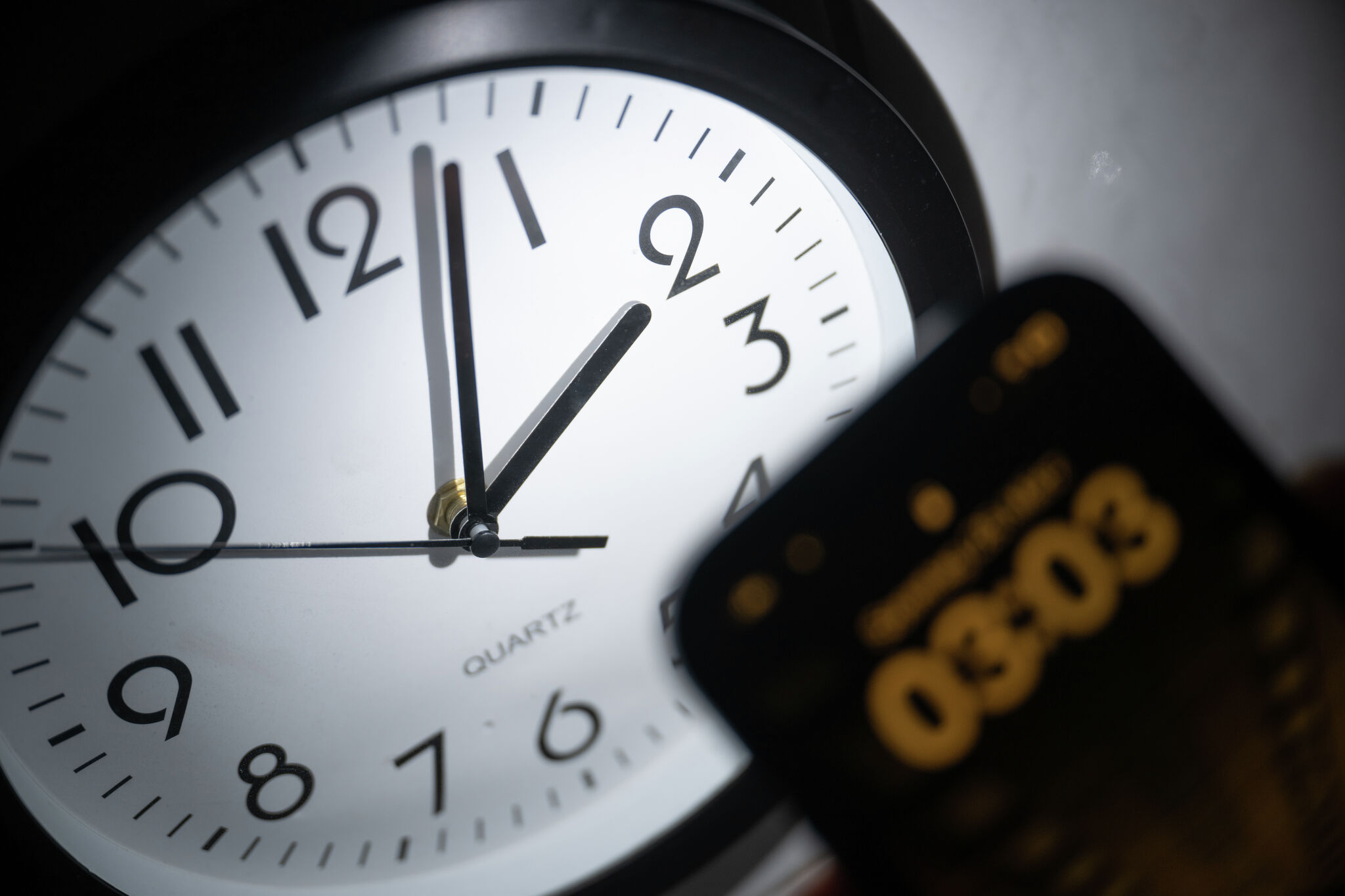
President Donald Trump has urged senators to approve the Sunshine Protection Act as soon as possible. In a social media post, Trump called the twice-yearly ritual foolish, inconvenient, and costly, pointing to potential benefits such as energy savings, lower crime rates, and fewer traffic accidents. Yet Senate Majority Leader John Thune has questioned whether there is sufficient support within the chamber for the measure to pass before the November deadline, as noted by Fox56 and USA Today.
While many politicians favour keeping daylight saving time year-round, sleep researchers and health specialists advocate caution. Furthermore, experts like Washington University biology professor Erik Herzog argue that permanent standard time would align much better with the human biological clock than permanent daylight saving time.
| Region / Entity | Observes DST? | Proposed / Current Status |
|---|---|---|
| Most U.S. States | Yes | Switches back and forth; federal permanent DST legislation pending in Senate |
| Arizona & Hawaii | No | Exempt from changing clocks year-round |
| Florida | Yes | State law supports permanent daylight saving time contingent on federal action |
| Texas | Yes | Passed "Texas Time" legislation awaiting congressional authorization |
Religious organizations have also raised concerns regarding permanent daylight saving time. Representatives from both Jewish and Muslim communities note that daily prayer times and religious observances are strictly tied to dawn, sunrise, and sunset. Moving the clocks forward permanently would push winter morning sunrises close to 9 a.m. In parts of the country, complicating early devotional requirements.
The history of the practice dates back over a century. Although Benjamin Franklin penned a satirical essay in 1784 touching on early rising, modern daylight saving time was first implemented during World War I by Germany in 1915 to conserve fuel. The United States followed suit in 1918 with the Standard Time Act. Contrary to popular belief, farmers were originally staunch opponents of the system because it forced them to conduct early morning chores in the dark, as detailed by Floridatoday.
As the legislative clock ticks down, citizens continue to experience mixed feelings. Public polling indicates widespread fatigue over changing clocks twice a year, though opinions remain divided on whether standard time or daylight saving time should become permanent.
What to Watch Next
- The U.S. Senate is scheduled to review pending legislative measures regarding the Sunshine Protection Act following congressional recesses.
- Clocks will officially fall back at 2 a.m. On November 1, returning the nation to standard time.
- Lawmakers in various state legislatures will continue lobbying for federal authorization to opt out or lock in permanent time zones.
Until Congress passes reform and the president signs it into law, the twice-yearly time adjustments remain the law of the land.
How significant is this development?
Contribute your assessment to the aggregated reader sentiment ledger.
Frequently Asked Questions
Key questions answered in this reportWhat is the key development in: US clocks to fall back one hour as daylight saving time ends November 1?
Millions in the US will turn their clocks back one hour on November 1 as daylight saving time ends, renewing debates over permanent time legislation.
Why is this NHS development significant for the UK?
This report covers critical events in our NHS beat. Independent reporting monitors related UK statements, regulatory shifts, and public responses as further verified details emerge.
How was this reporting corroborated and verified?
Newsarchy UK compiles and cross-references reporting from primary reporting from The Guardian and cross-checked wire reports. All coverage adheres to published editorial standards.
When was this report published?
This briefing was published on September 20, 2026 and is permanently cataloged in the Newsarchy UK NHS archives.