EasyJet's annual profit sinks 96% on high fuel prices
EasyJet's annual profits plunged 96% to £24 million after surging jet fuel costs driven by the Middle East conflict squeezed margins ahead of a pending Apollo buyout.
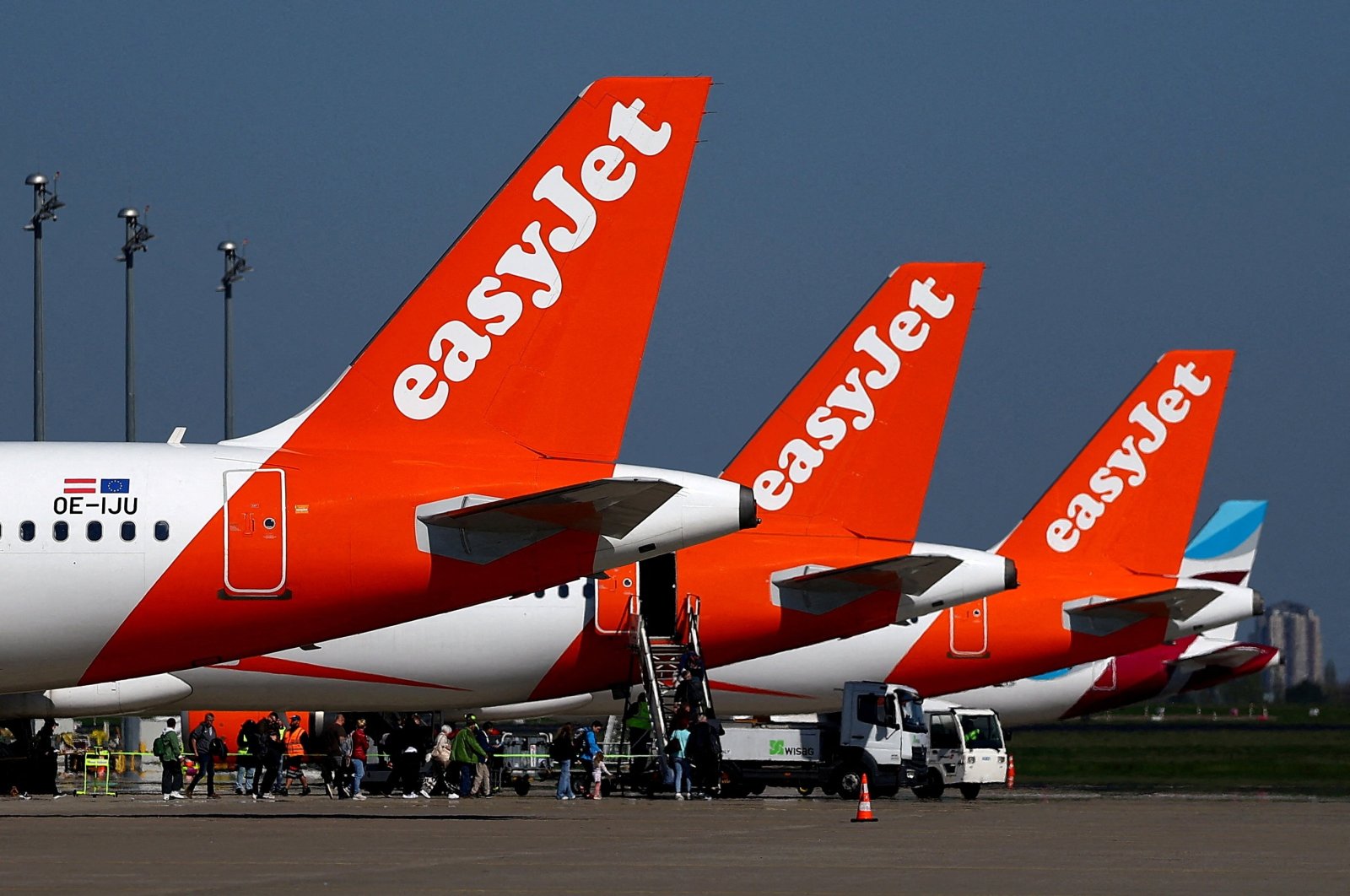
EasyJet’s annual profit has collapsed by 96% as the Middle East war pushed jet fuel costs higher, leaving the British low-cost carrier facing a change in ownership under US private equity firm Apollo.
The airline reported pre-tax profit of £24 million for the financial year ending September 30, 2026, down from £658 million a year earlier, according to its latest annual results. Revenue rose 6% to £10.74 billion as passenger numbers increased 3% to 96.4 million, but the gains were overwhelmed by an 11% rise in the fuel bill to approximately £2.5 billion.
Media additions
| Measure | Year to September 2025 | Year to September 2026 | Change |
|---|---|---|---|
| Pre-tax profit | £658 million | £24 million | Down 96% |
Headline pre-tax profit, which excludes certain exceptional items, fell 89% to £71 million from £665 million in 2025, missing analysts’ expectations, the Cyprus Mail reported. Total headline operating costs increased 13%, squeezing margins even as the airline carried more passengers than ever.
“This year was challenging for airlines due to the Middle East conflict and its effect on demand and fuel prices, which materially impacted our financial performance,” chief executive Kenton Jarvis said in a statement, as reported by Daily Sabah.
The Copenhagen Post quoted Jarvis striking a more optimistic tone on strategy: “Despite that, we have continued to achieve good strategic progress by improving our operations, strengthening customer satisfaction, and promoting the initiatives that are to support our future financial results.”
Fuel costs have climbed after the conflict involving the United States, Israel and Iran, with disruptions to shipping through the Strait of Hormuz adding pressure to global oil prices, according to the Copenhagen Post. EasyJet’s fuel spend rose by £244 million over the year. The Cyprus Mail noted that weaker consumer demand followed an extended period after the outbreak of the conflict in February, prompting travellers to delay bookings.
The airline’s holiday division provided a partial offset. EasyJet Holidays increased pre-tax profit by 6% to £266 million, supported by a 13% rise in customers to 3.5 million. However, the airline business itself recorded a £195 million pre-tax loss, compared with a £415 million profit a year earlier.
EasyJet’s average load factor held at 90%, and the carrier ended September with £268 million in net cash and approximately £4.4 billion in available liquidity, according to the Cyprus Mail. Shares have gained around 35% since the beginning of 2026, supported partly by the takeover agreement.
Apollo takeover and Sir Stelios’s stake
Shareholders approved EasyJet’s £5.7 billion takeover by Apollo Global Management earlier this month, valuing the airline at 715 pence per share. The deal follows a takeover contest that also involved US investment group Castlelake. Completion is expected during the first quarter of 2027, subject to outstanding regulatory approvals, though the Copenhagen Post reported that EasyJet expects the deal to be completed before the end of March next year.
Sir Stelios Haji-Ioannou, who founded easyJet in 1994 and whose family remains the airline’s largest shareholder group, supported Apollo’s offer. Together, Sir Stelios and his family hold approximately 15.3% of easyJet and intend to retain their investment through shares in the privately owned company following the takeover.
“My family and I intend to remain invested as long-term major shareholders of easyJet for the next chapter in the company’s journey,” Sir Stelios said when the agreement was announced in August.
Sir Stelios Haji-Ioannou, founder, via Cyprus Mail
Sir Stelios launched the airline at the age of 27 and later floated it on the London Stock Exchange in 2000 to finance its expansion. He retained ownership of the easyJet brand through his private company, easyGroup, which continues to license the name to the airline. The acquisition would end easyJet’s more than 25-year presence on the London stock market, although European and British aviation ownership rules mean Apollo cannot simply take full control without maintaining the required qualifying ownership structure.
Apollo, which manages more than $1 trillion in assets, has previous aviation experience through investments in Aeromexico, Sun Country Airlines and Atlas Air. The US investment group intends to retain the easyJet brand while supporting fleet modernisation, expanding the holiday business and developing additional services and loyalty offerings.
With the transaction pending, EasyJet said it would not provide financial guidance for the next financial year.
Cyprus connections and wider industry context
EasyJet operates flights connecting Cyprus with several European destinations, serving both Larnaca and Paphos airports. Earlier this year, the regional conflict disrupted air services to the island, with several international carriers temporarily suspending flights. According to Hermes Airports, easyJet was among the airlines that resumed services to Cyprus by March 9, helping restore connections with major European markets. The latest financial results do not establish whether easyJet intends to make further changes to its Cyprus routes.
EasyJet is the latest major European carrier to report results affected by higher fuel costs, following announcements from Ryanair, Wizz Air and International Airlines Group, the parent company of British Airways.
What to watch next
- Regulatory decisions on the Apollo takeover, with completion targeted for the first quarter of 2027.
- EasyJet’s first trading update under new ownership, since no 2027 financial guidance has been issued.
- Further fuel-price movements tied to Middle East shipping routes, including the Strait of Hormuz.
- Any changes to easyJet’s Cyprus route network following the resumption of services in March.
Read more business coverage here.