15 energy-saving hacks could pay for your weekly shop – for eight weeks
New analysis reveals that adopting fifteen practical household energy-saving habits could slash utility costs enough to fund eight full weekly grocery shops.

Fifteen common energy-saving household hacks could slash enough utility costs over twelve months to fund eight full weekly food shops, according to analysis from Utilita published by the Express. This guidance arrives just as households brace for a steep regulatory price hike.
Domestic energy bills across England, Scotland, and Wales are scheduled to jump by twenty-six percent in January under the new price cap set by regulator Ofgem, according to BBC reporting. This looming financial pressure comes against a backdrop of rising electricity rates that continue to outpace inflation, while U.S. Consumer data shows that more than half of Americans have made stark trade-offs — such as setting HVAC controls to uncomfortable temperatures or cutting back on groceries — to cover utility expenses, Consumer Reports notes.
Media additions

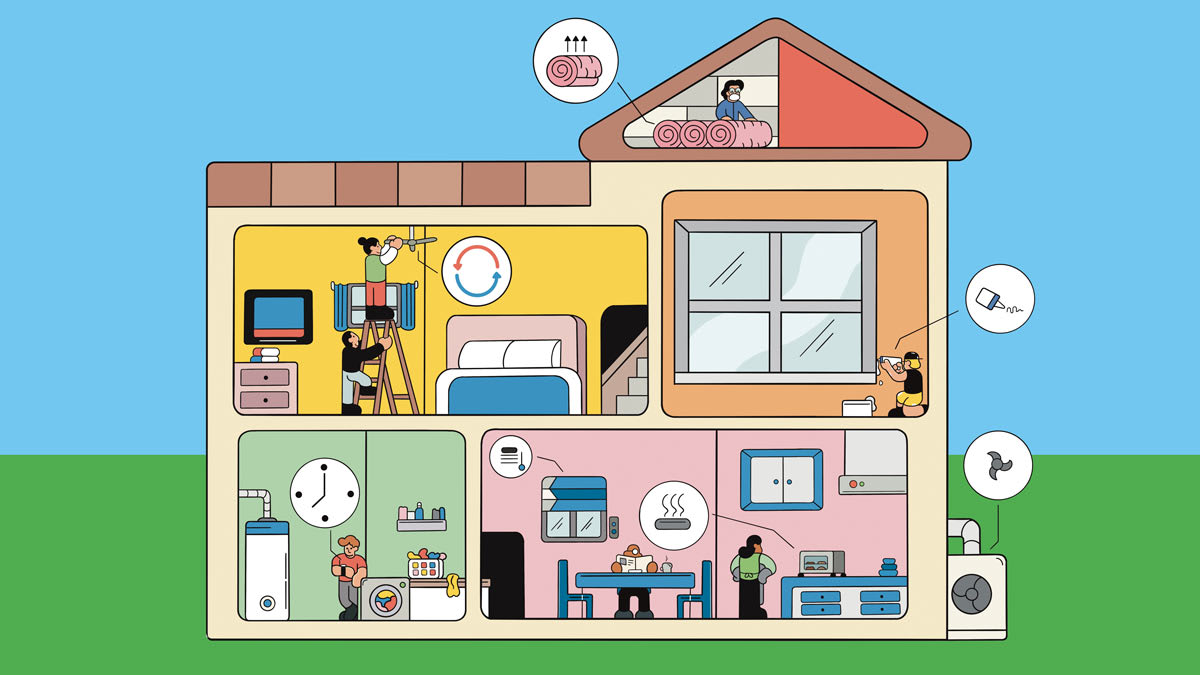
The Utilita study examined everyday conservation behaviours and found that adopting all fifteen habits could yield a combined annual saving of £784, matching the cost of eight big weekly shops valued at £95 each. While individual tips might appear minor, researchers argue that translating kilowatts into everyday groceries helps turn temporary frugality into lifelong routines. For instance, eliminating standby power usage can save enough to purchase eighty-five toilet rolls, whereas taking shorter showers across the year cuts eighty-four pounds from utility outlays, matching the cost of shower gel and shampoo for hundreds of washes.
Yet polling revealed a significant disconnect in public awareness. Fewer than six in ten homeowners and renters feel confident identifying which domestic activities consume the most energy, and public estimates of potential monthly savings are frequently wide of the mark. While reducing hot water temperatures actually saves just over seven pounds a month, survey respondents guessed an average of sixty-eight pence. Similarly, using the correct pan size saves roughly three pounds monthly, compared to a guessed forty-nine pence.
Real-world households are already altering daily routines to stay afloat. Kelly Anne Harvey, a building surveyor near Blackpool, pays her bills by direct debit to avoid higher charges and uses portable oil radiators and electric blankets to limit central heating use, according to the BBC. She also participates in an energy-saving reward scheme that grants free weekend electricity for reducing peak-time consumption. In Bristol, single mother Stacey manages rising utility costs by lowering her central heating thermostat, keeping curtains drawn to retain warmth, dressing her daughters in thermal layers, and paying via direct debit, as reported by the BBC.
| Energy-Saving Action | Utilita Estimated Annual Saving | Consumer Reports / General Benchmark |
|---|---|---|
| Turning down heating by one degree | £170 | Trims daunting heating and cooling bills significantly |
| Reducing hot water tap temperature | £86 | Lowers water heater settings to 120° F |
| Keeping showers to four minutes | £84 | Saves up to £60 per year in Great Britain (Uswitch) |
| Switching appliances off standby | £50 | Saves up to £45 per year (Uswitch) |
| Washing clothes at 30 degrees | £15 | Saves around £26 per year (Uswitch) |
| Boiling only required kettle water | £10 | Saves up to £30 a year on electricity bills (Uswitch) |
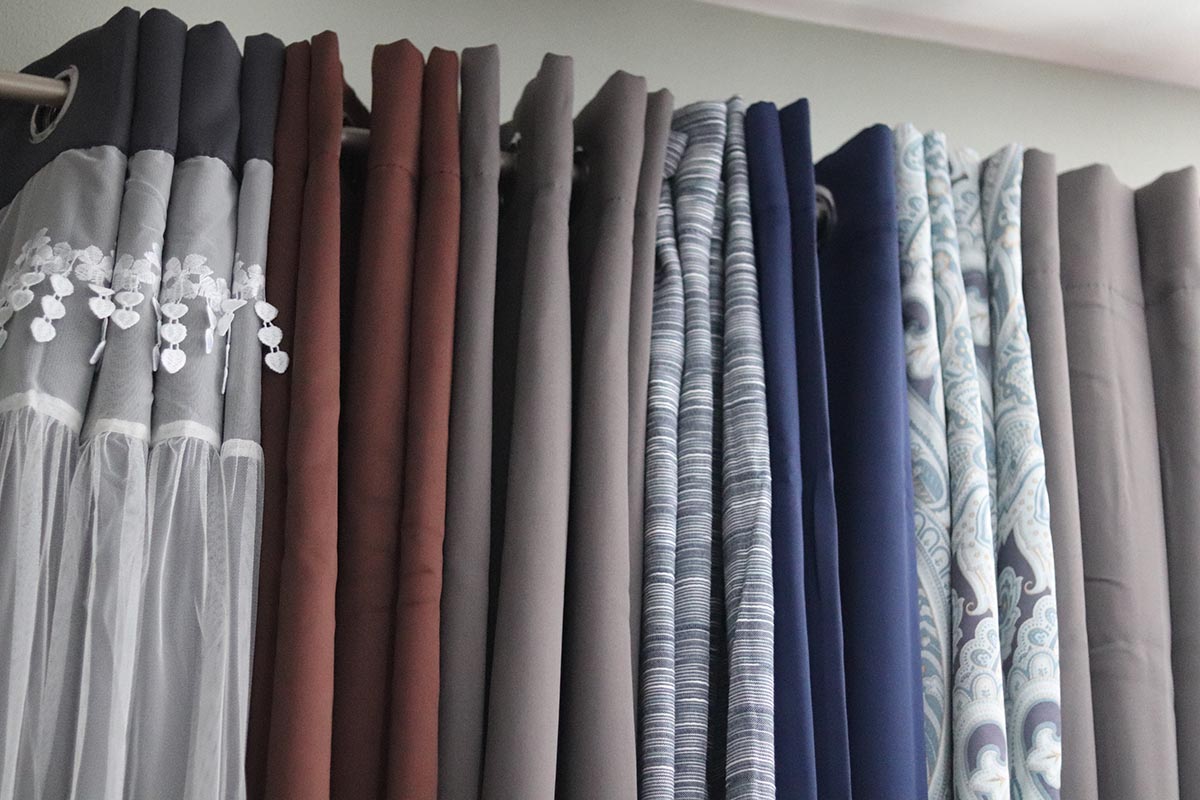
Beyond behavioural changes, structural upgrades offer substantial long-term relief. BobVila.com notes that thermal curtains provide an extra layer of insulation to curb heat loss through windows, which account for roughly thirty percent of a home's winter heat loss according to the Department of Energy cited by Consumer Reports. Tested products like the Best Home Fashion Thermal Blackout Curtains and Nicetown panels utilise triple-weave polyester and black yarn layers to block light and trap room warmth.
Consumer Reports highlights that scheduling a professional energy audit, frequently provided for free by local utilities or nonprofits, can pinpoint leaky door frames and drafty attics before winter sets in.
Households must now monitor regulatory updates as the January price cap takes effect, while evaluating whether time-of-use tariffs, smart thermostats, or bulk-buying heating oil offer viable shields against ongoing market volatility.