Trump says US government could still take equity stake in Nvidia
President Donald Trump suggested the US government could still take an equity stake in Nvidia, following federal precedents involving companies like Intel amid national security and congressional reviews.
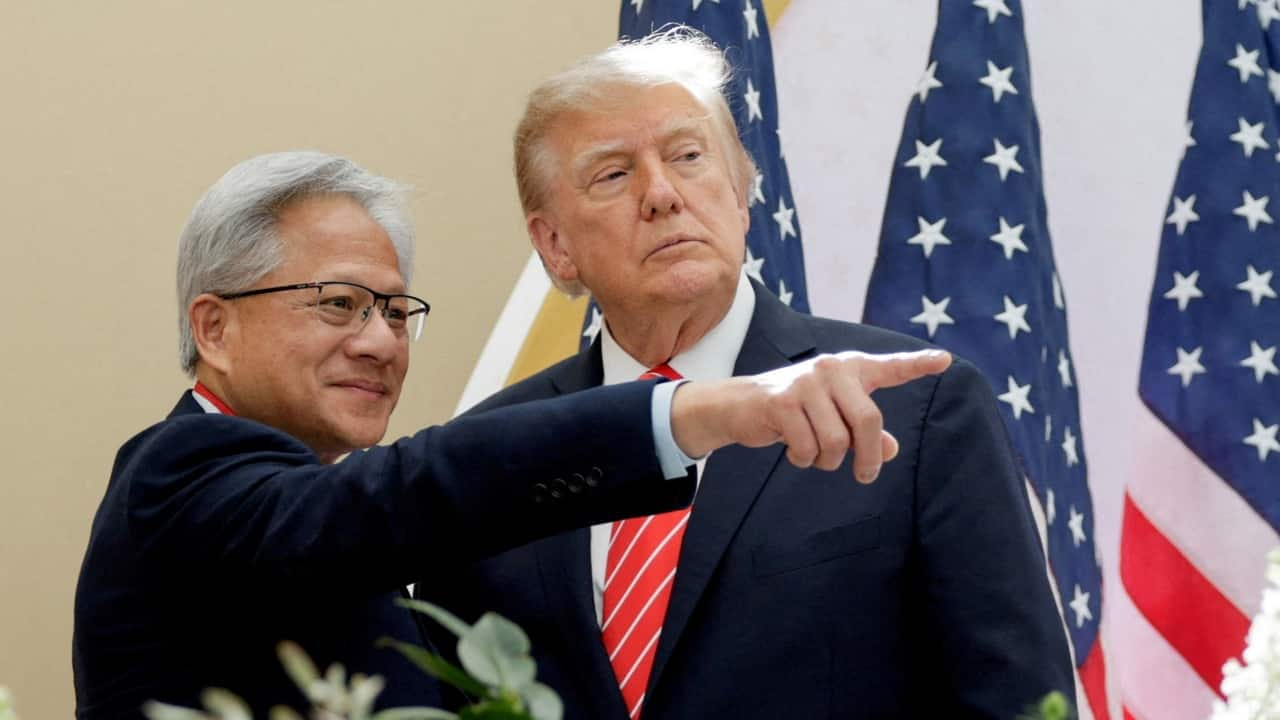
President Donald Trump stated that it is "probably not too late" for the United States government to acquire an equity stake in Nvidia, according to an interview published on Tuesday, 24 November 2026, by the New York Post.
The remarks from the White House introduce a new dimension of federal intervention into the artificial intelligence sector. They follow a dramatic leadership restoration at the chip giant and precede high-stakes congressional hearings examining national security and export controls.
Media additions

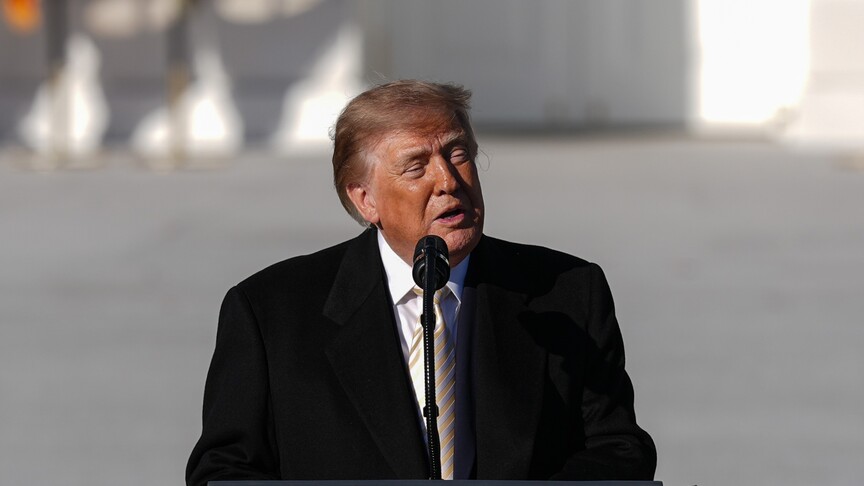

Trump revealed that he had pondered taking a direct federal position in the technology firm. I thought about it. I said, ‘You know, maybe I should do it,’ but I didn’t bring it up at this point. It’s probably not too late,
Trump told the New York Post.
Reporting by Livemint noted that no decision or prior talks were reported before the president's interview. Yet, the concept aligns with recent federal maneuvers across heavy industry and manufacturing.
Federal Stake Precedents
| Company / Entity | Action Taken | Timing / Context |
|---|---|---|
| Intel | Acquired a 9.9% to 10% equity stake | August 2025 (to support domestic manufacturing and national security) |
| US Steel | Secured a "golden share" strategic interest | Approval process for Nippon Steel acquisition |
| Critical Minerals & Energy | Committed investments / strategic partnerships (MP Materials, Lithium Americas, Trilogy Metals, Westinghouse) | Prior federal industrial policy initiatives |
As detailed by FlipItMoney, these arrangements reflect an expanding policy trend combining financial backing with direct economic influence in sectors deemed critical to national security and technological sovereignty. Neither Nvidia nor the White House provided immediate comment outside regular business hours, as reported by The Straits Times.
The discussion surrounding a potential government stake arrives immediately after Jensen Huang resumed his role as Nvidia's chief executive officer. Huang had resigned following revelations of code of conduct violations, including extramarital affairs such as one with a woman alleged to have ties to Beijing intelligence, as covered by The Straits Times and Trend News Agency. Nvidia's board initially sought a replacement before reversing course and reinstating Huang, a turnaround that New York Post and The Straits Times report was heavily influenced by pressure from the Trump White House.
During an all-hands meeting at corporate headquarters in Santa Clara, California, Huang addressed employees directly. According to The Straits Times, Huang acknowledged making mistakes and violating the code of conduct, though he insisted to staff that his reinstatement was not solely the result of presidential lobbying.
Trump defended his intervention by stressing Nvidia's supreme importance to the domestic economy and maintaining technological supremacy over China in artificial intelligence. When questioned about potential criminal culpability or indictments stemming from the investigations, Trump told the New York Post that a presidential pardon for Huang is always an option, I guess, but I don't think it'll be necessary.
Financial markets reacted sharply to the cascading headlines. As noted by TradingView, Nvidia stock experienced a substantial single-day surge following the reinstatement announcement before losing momentum, dipping in subsequent sessions as investors weighed ongoing governance and political risks. Executive departures and share sales, such as a divestiture by general counsel Timothy Teter, further unsettled retail and institutional sentiment.
Attention now shifts to Capitol Hill, where lawmakers from both political parties have criticized the board's decision and demanded answers regarding export controls and national security. According to Anews and Anadolu Agency, Huang is scheduled for a closed-door interview with the House Foreign Affairs Committee next Tuesday and appear at a Senate Banking Committee hearing next Thursday.
Trump expressed a desire for cooperation during the upcoming inquiries, stating that Huang should not invoke his Fifth Amendment right against self-incrimination. I don't think he needs to take the Fifth. I think it's an interesting story for people,
Trump told the New York Post. I think I want him to just tell the truth.
What to Watch Next
- 1 December 2026: Jensen Huang’s closed-door testimony before House committees regarding security protocols and China export compliance.
- 3 December 2026: Huang’s scheduled appearance at a public hearing before the Senate Banking Committee.
- Ongoing Federal Reviews: Potential findings from investigations conducted by the Department of Justice, the FBI, and the Securities and Exchange Commission. Additional business coverage updates will track whether federal authorities formalize any equity acquisition proposals.