Elizabeth Warren questions Trump administration over Taylor Farms outbreak response
Senator Elizabeth Warren questioned the administration regarding its handling of the Taylor Farms cyclospora outbreak and political donations.

- Core Development: Senator Elizabeth Warren questioned the administration regarding its handling of the Taylor Farms cyclospora outbreak and political donations.
- Beat Context: Categorized under Business with independent corroboration.
- Reporting Depth: 3 minute analytical read synthesized from verified newsroom sources.
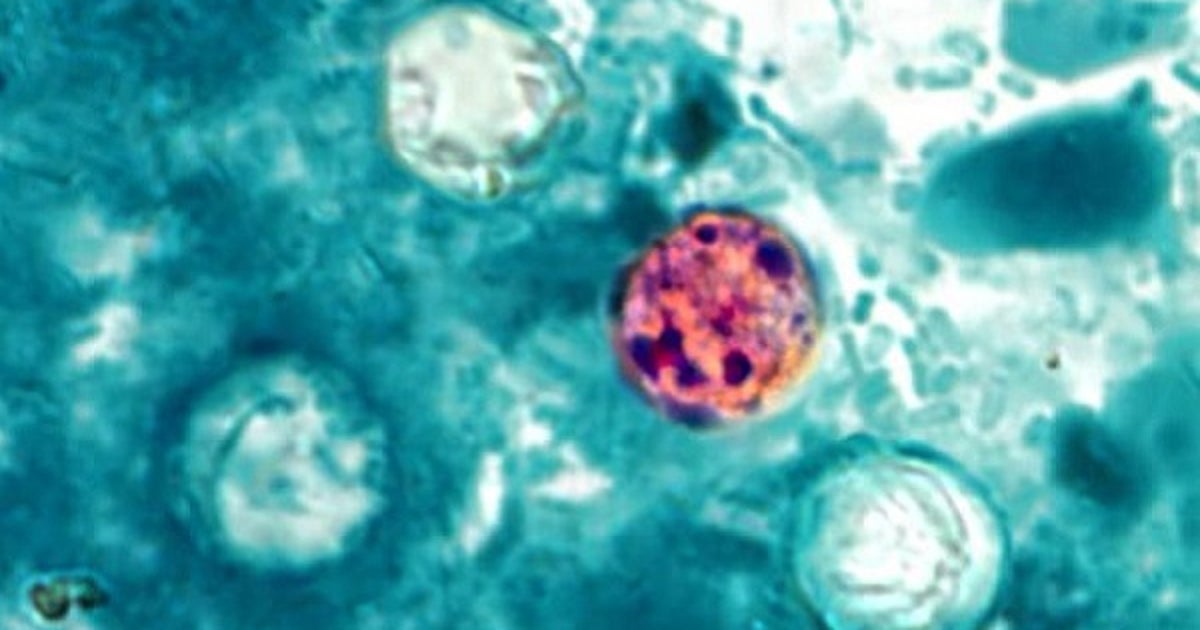
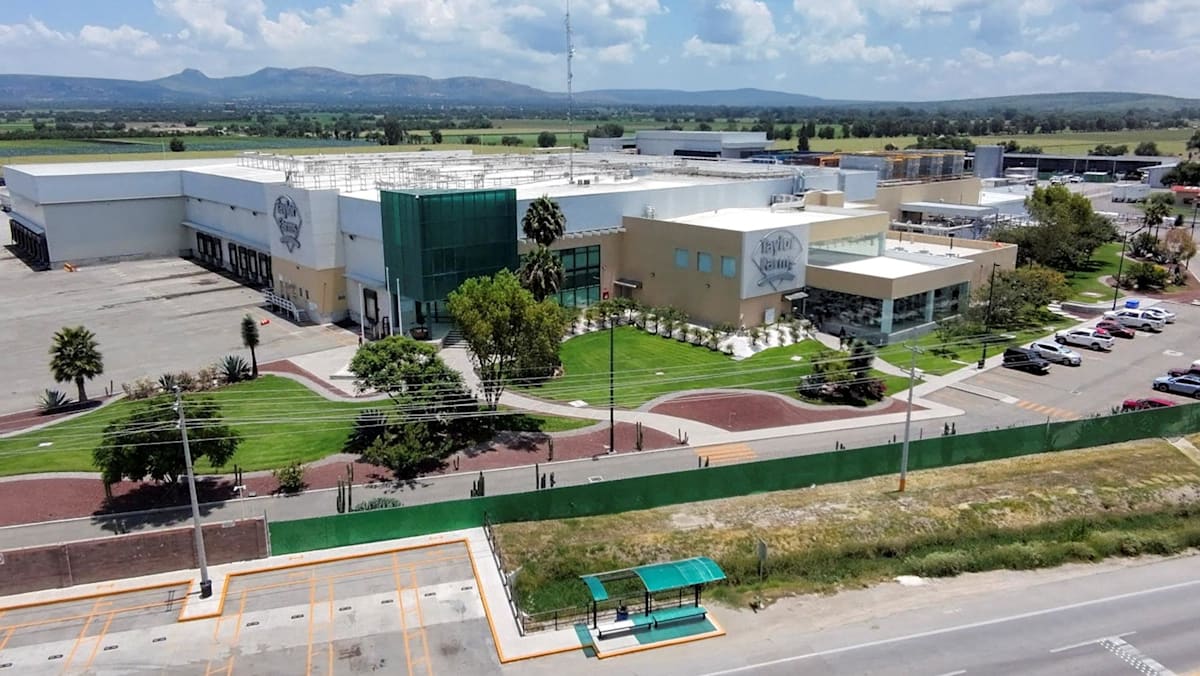
The political pressure surrounding the ongoing food safety crisis intensified after lawmakers turned their attention toward Washington's handling of the largest parasitic outbreak in the nation's history. Produce giant Taylor Farms found itself at the center of both public health investigations and federal scrutiny, following widespread illnesses tied to contaminated iceberg lettuce.
Senator Elizabeth Warren formally questioned the administration regarding potential conflicts of interest. According to reports from LiveMint, Warren dispatched a letter to Health and Human Services Secretary Robert F. Kennedy Jr. Questioning whether the federal response to the crisis was compromised by political contributions and direct lobbying. The correspondence alleged that Taylor Fresh Foods, Inc.—the parent company of the produce supplier—donated millions of dollars to political organizations aligned with Donald Trump, including contributions to a SuperPAC.
Media additions
The congressional inquiry also highlighted a timeline of regulatory rollbacks. Warren pointed to a decision by the administration to delay an FDA food traceability rule that would have established standard reporting processes for high-risk foods, arguing the measure could have helped investigators trace the contaminated produce more rapidly. Additional concerns were raised regarding a subsequent decision to end mandatory reporting of cyclospora and five other foodborne pathogens to a disease surveillance network.
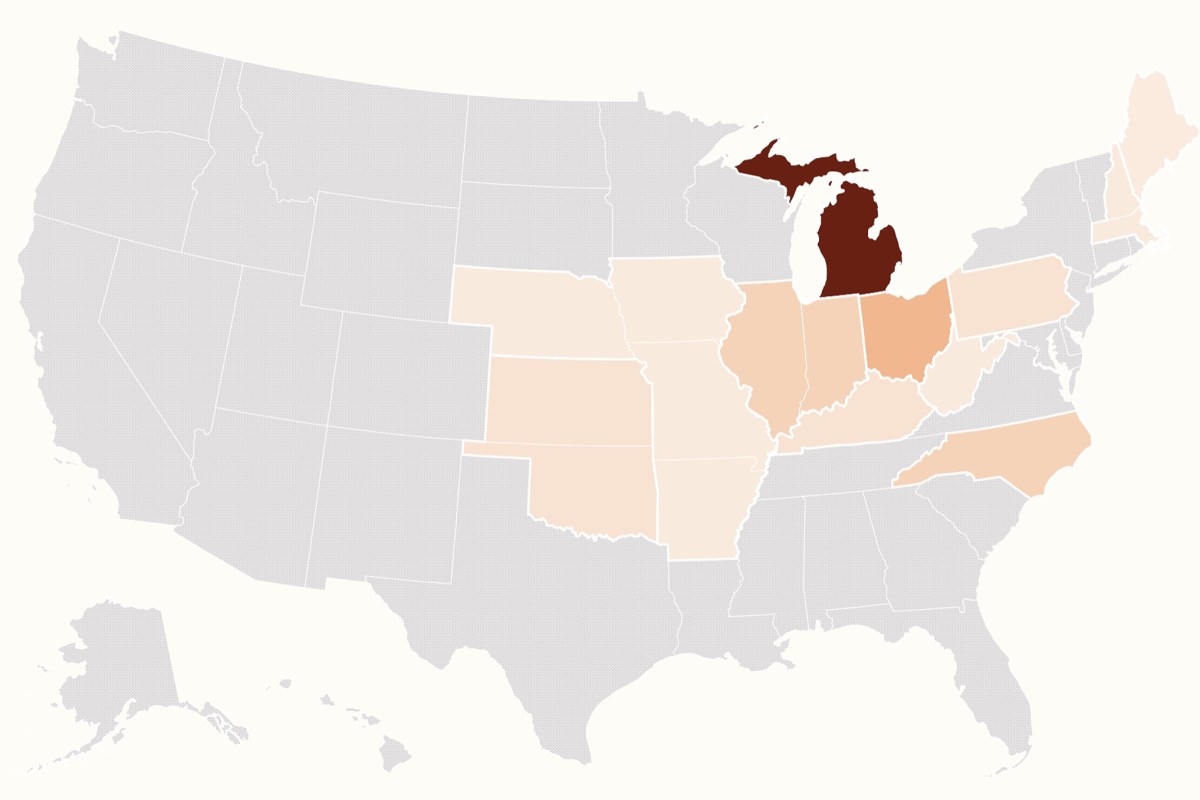
Federal agencies and independent researchers have scrambled to quantify the scale of the gastrointestinal illness. Data compiled by the Newsweek showed that the outbreak had expanded across seventeen states, with thousands of laboratory-confirmed cases reported nationally alongside hundreds of hospitalizations. Public health reporting has also intersected with concurrent food safety alarms, including a separate Class I egg recall linked to salmonella risks.
Michigan emerged as the epicenter of the cyclospora crisis, recording thousands of illnesses. State health systems faced severe testing backlogs that stretched result delivery times to weeks, leading experts to suggest that recent statistical spikes reflected administrative processing rather than active community spread. As detailed by Channel NewsAsia, producer prices for lettuce plummeted dramatically in July as consumer demand collapsed across retail and restaurant sectors, hitting companies like Taco Bell and Chipotle.
Outbreak Impact and Response Timeline
- May: The Centers for Disease Control and Prevention began tracking rising counts of laboratory-confirmed cyclosporiasis cases nationwide.
- July: Taylor Farms voluntarily recalled iceberg lettuce sourced from central Mexico and suspended production in the region after initial regulatory flags.
- August: State health departments reported climbing totals, while Michigan confirmed the first fatalities tied to underlying conditions during the crisis.
Corporate representatives defended their actions throughout the ordeal. Taylor Farms maintained that it removed all potentially implicated products from the marketplace out of an abundance of caution and ceased sourcing lettuce from central Mexico. Acting FDA Commissioner Kyle Diamantas expressed confidence that all contaminated iceberg lettuce had been successfully cleared from commercial supply chains.
What to Watch Next
- Health and Human Services Secretary Robert F. Kennedy Jr. Faces a response deadline of late August to address inquiries regarding federal testing protocols and agency communications with Taylor Farms.
- Public health officials will monitor whether additional states report lingering illnesses as retrospective diagnostic testing clears remaining backlogs.
- Broader developments in Business coverage will track the long-term recovery of agricultural producer prices and leafy green demand.
How significant is this development?
Contribute your assessment to the aggregated reader sentiment ledger.
Frequently Asked Questions
Key questions answered in this reportWhat is the key development in: Elizabeth Warren questions Trump administration over Taylor Farms outbreak response?
Senator Elizabeth Warren questioned the administration regarding its handling of the Taylor Farms cyclospora outbreak and political donations.
Why is this Business development significant for the UK?
This report covers critical events in our Business beat. Independent reporting monitors related UK statements, regulatory shifts, and public responses as further verified details emerge.
How was this reporting corroborated and verified?
Newsarchy UK compiles and cross-references reporting from primary reporting from livemint.com and cross-checked wire reports. All coverage adheres to published editorial standards.
When was this report published?
This briefing was published on August 14, 2026 and is permanently cataloged in the Newsarchy UK Business archives.