Elon Musk warns AI will surpass human intelligence within five years
Elon Musk claims artificial intelligence will surpass the sum of human intelligence within five years and potentially make money irrelevant by 2036.
- Core Development: Elon Musk claims artificial intelligence will surpass the sum of human intelligence within five years and potentially make money irrelevant by 2036.
- Beat Context: Categorized under Business with independent corroboration.
- Reporting Depth: 3 minute analytical read synthesized from verified newsroom sources.
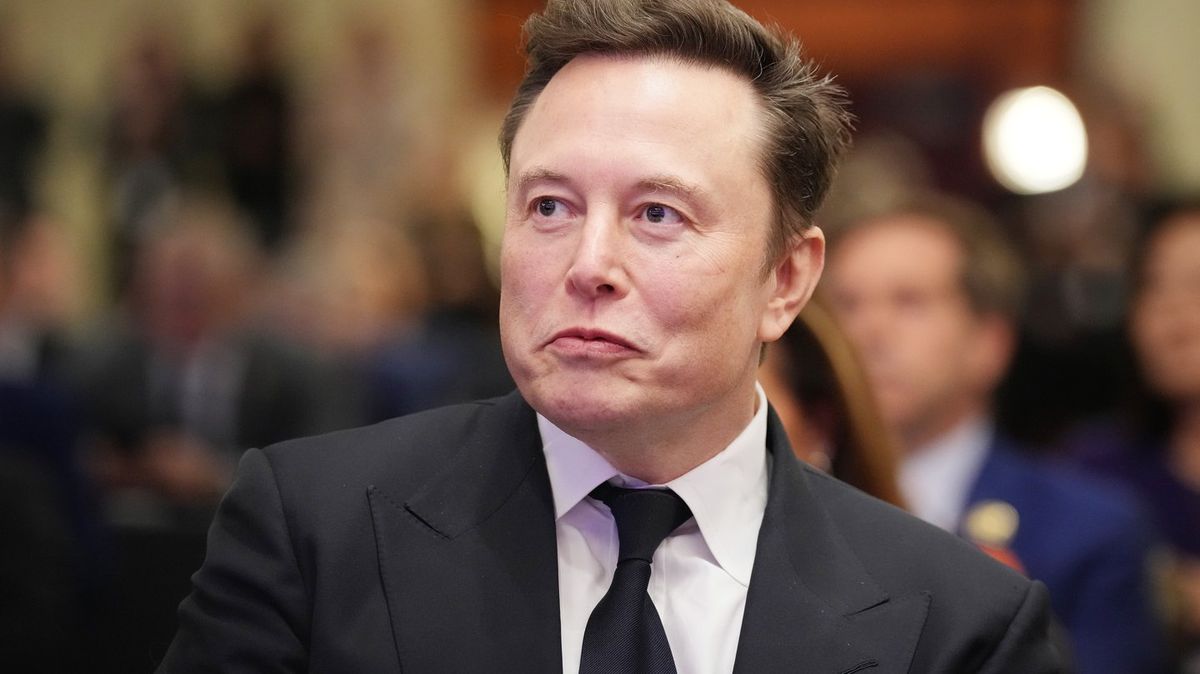
Artificial intelligence will surpass the sum of human intelligence within five years, according to Elon Musk.
The prediction was issued during a wide-ranging interview with The Economist's editor-in-chief, Zanny Minton Beddoes. The Tesla chief executive argued that rapid technological innovation and robotics will usher in an era of incredible abundance, fundamentally transforming the global economy and labour market.
Media additions
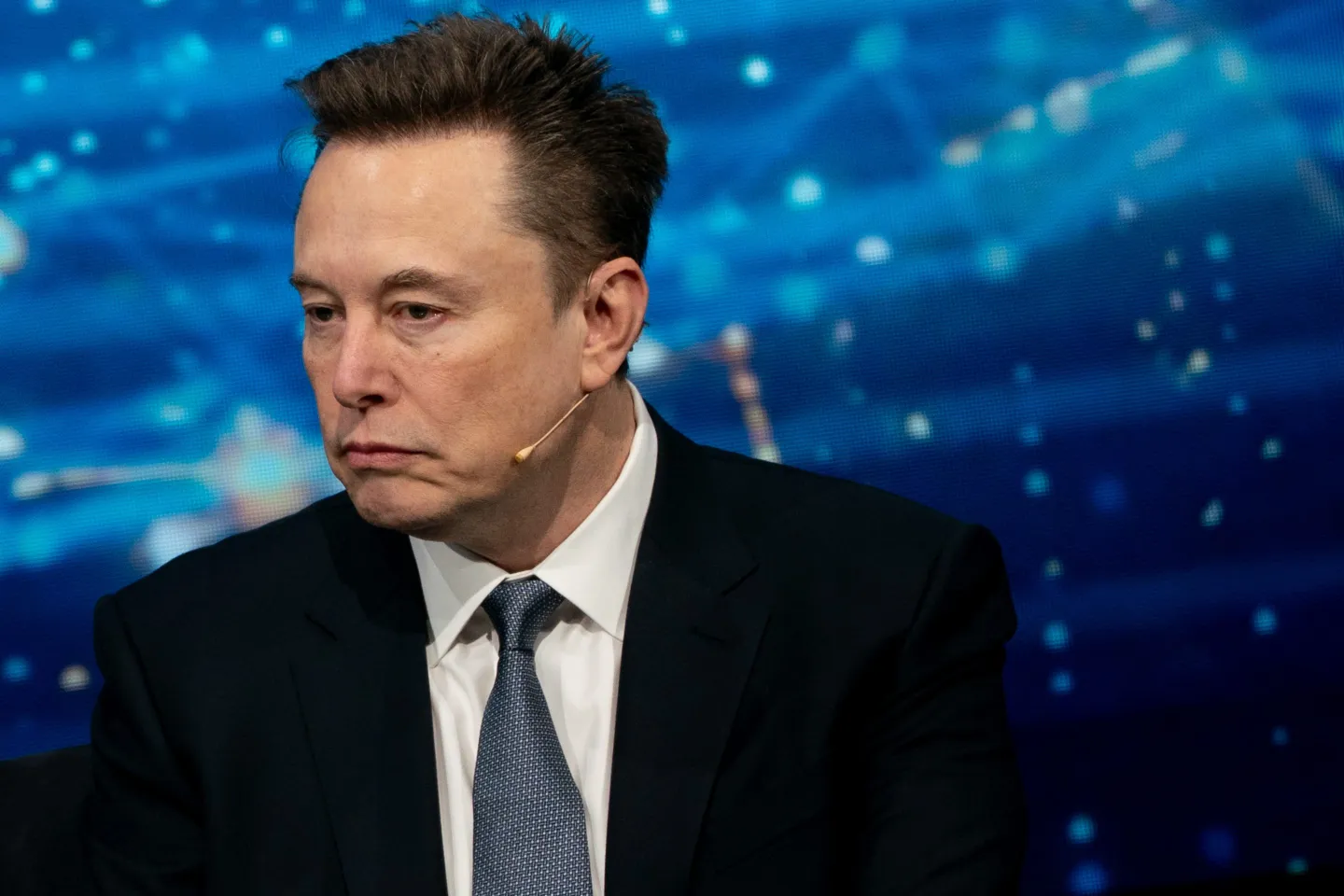
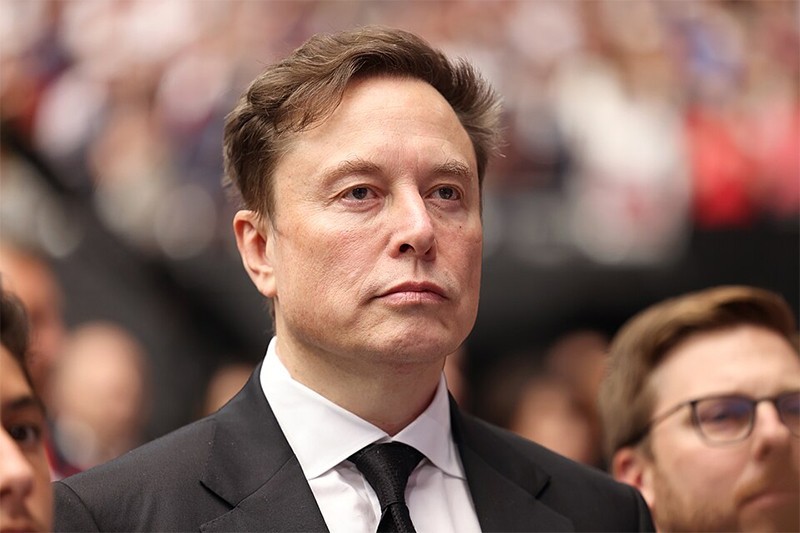

Musk maintained that traditional concepts of wealth and employment will become less important as machines produce more goods and services than humanity can consume.
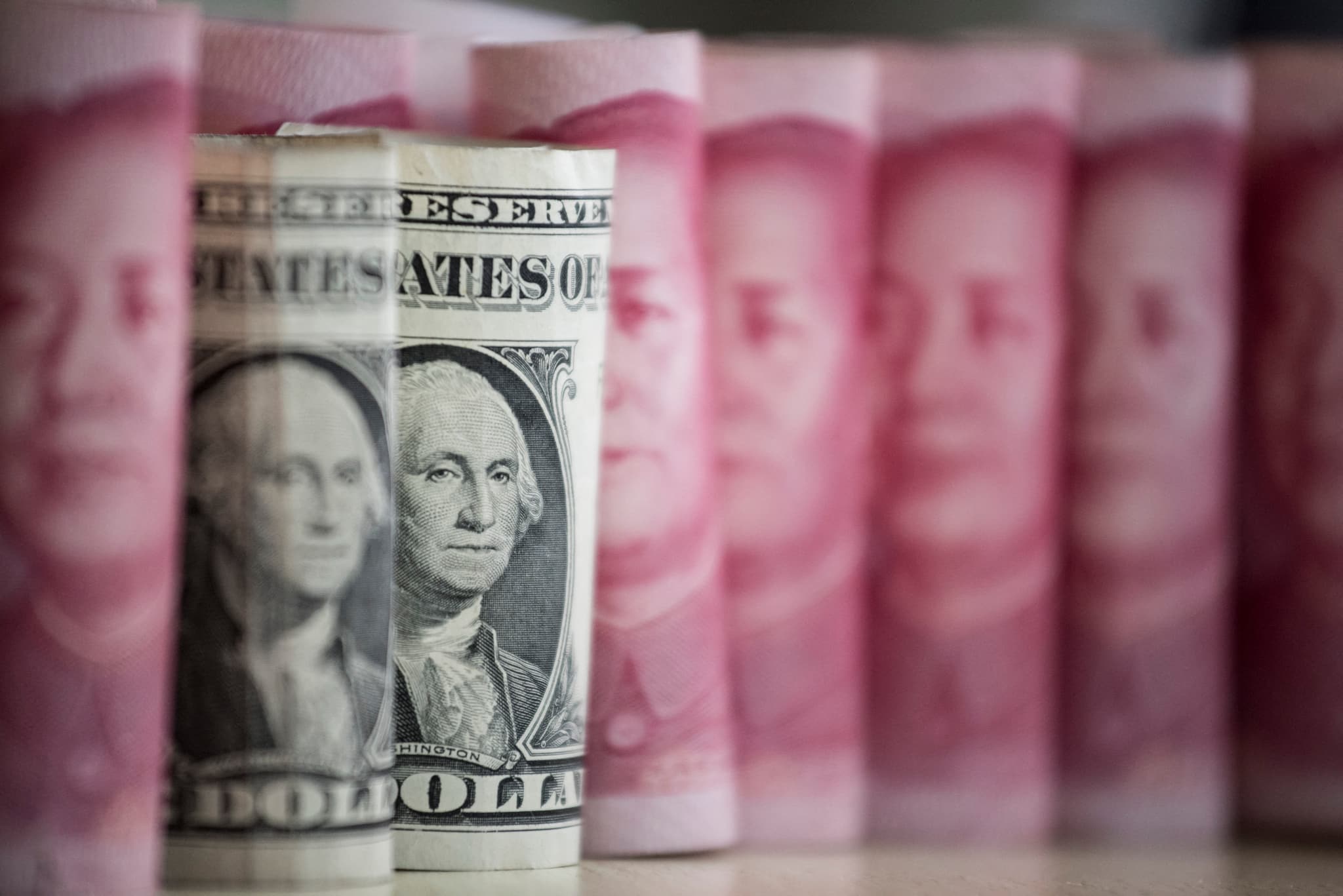
"What do you want money for? You want money for goods and services, right? If robots and AI are providing more goods and services than any human could possibly consume, what do you need money for in that case?"
Elon Musk, CEO, via Arise
According to Indiablooms, the entrepreneur stated that money could become largely irrelevant by the year 2036. He suggested that people may no longer need to save aggressively for retirement because AI-driven productivity will dramatically lower the cost of living.
The vision has attracted external commentary. Billionaire investor Vinod Khosla supported the general outlook while adding a caveat on social media, noting that abundance depends entirely on political conditions, as reported by Indiablooms.
The economic implications of widespread automation sparked robust debate during the discussions. Investingcube reported that Minton Beddoes challenged Musk's proposals on government support, questioning how societies would navigate rising unemployment, inequality, and public anxiety. While Musk suggested governments could provide direct financial assistance through a universal high income or by issuing treasury checks, critics warned that creating money on such a scale could destabilize economies and fuel political divisions.
Musk also addressed inflation and deflation risks. Rather than worrying about inflation from expanding money supplies, he argued that deflation could emerge as a greater long-term challenge if technological productivity outpaces consumer demand.
Reflecting on the psychological toll of technological acceleration, Musk admitted he remains conflicted. He noted that his outlook shifts intraday between exhilaration and terror regarding artificial intelligence.
Beyond economics, the tech founder touched on geopolitical competition, suggesting China could emerge as a dominant force in artificial intelligence due to its growing computing capacity, despite currently having more limited resources.
The conversation also shifted briefly to political matters following Musk's involvement in the United States presidential election and his subsequent work with the Department of Government Efficiency, which concluded operations earlier in the month. He defended himself against personal criticisms regarding his political appointments and statements, rejecting allegations of racism and clarifying his stance on immigration policies.
As the conversation around automation grows, employment experts are evaluating which career paths might remain shielded from artificial intelligence disruption. Anik Devaughn, founder and CEO of Wired to Create in Stockholm, outlined five categories of jobs he believes are safe from an AI takeover:
- Connectors: Roles that require jumping across different domains, such as product managers, founders, solutions architects, strategy consultants, chiefs of staff, and research and development leads.
- Creative roles: Positions requiring accumulated lived experiences and the development of taste, including creative directors, art directors, editors, film directors, curators, casting directors, and heads of design.
- Caretakers and negotiators: Jobs reliant on human accountability rather than just correct answers, such as nurses, therapists, and senior negotiators.
- Trades: Hands-on work requiring improvisation in unstructured environments, including builders, electricians, and plumbers.
- AI supervisors: Emerging management positions dedicated to overseeing artificial intelligence systems, such as Chief AI Officers, Heads of AI, and AI systems architects.
How significant is this development?
Contribute your assessment to the aggregated reader sentiment ledger.
Frequently Asked Questions
Key questions answered in this reportWhat is the key development in: Elon Musk warns AI will surpass human intelligence within five years?
Elon Musk claims artificial intelligence will surpass the sum of human intelligence within five years and potentially make money irrelevant by 2036.
Why is this Business development significant for the UK?
This report covers critical events in our Business beat. Independent reporting monitors related UK statements, regulatory shifts, and public responses as further verified details emerge.
How was this reporting corroborated and verified?
Newsarchy UK compiles and cross-references reporting from primary reporting from ladbible.com and cross-checked wire reports. All coverage adheres to published editorial standards.
When was this report published?
This briefing was published on July 27, 2026 and is permanently cataloged in the Newsarchy UK Business archives.