EU demands Meta dismantle design features it calls addictive for users
EU regulators have formally accused Meta of using design mechanics like infinite scroll and autoplay, threatening penalties of up to 6% of global turnover. The action marks an escalation in the enforcement of the Digital Services Act regarding user mental and physical health.
- Core Development: EU regulators have formally accused Meta of using design mechanics like infinite scroll and autoplay, threatening penalties of up to 6% of global turnover. The action marks an escalation in the enforcement of the Digital Services Act regarding user mental and physical health.
- Beat Context: Categorized under Business with independent corroboration.
- Reporting Depth: 3 minute analytical read synthesized from verified newsroom sources.
European Union regulators have escalated their oversight of Meta, issuing a formal set of charges on Friday that allege the design of Facebook and Instagram encourages addictive behavior. The European Commission claims these practices pose significant risks to the mental and physical health of users, including minors and vulnerable adult populations, thereby breaching the bloc’s Digital Services Act.
The Commission’s preliminary findings identify specific interface elements as primary drivers of this issue. Features such as infinite scroll, video autoplay, push notifications, and highly personalized content recommendations are accused of fueling a compulsive desire to browse. According to regulators, these mechanics effectively shift the brain into autopilot mode
, which contributes to the development of unhealthy habits. Furthermore, the Commission contends that Meta disregarded internal information regarding the amount of time children spend on its platforms during nighttime hours and how specific formats like reels and stories could lead to excessive or compulsive service usage.
Media additions

Regulatory Demands and Compliance Concerns
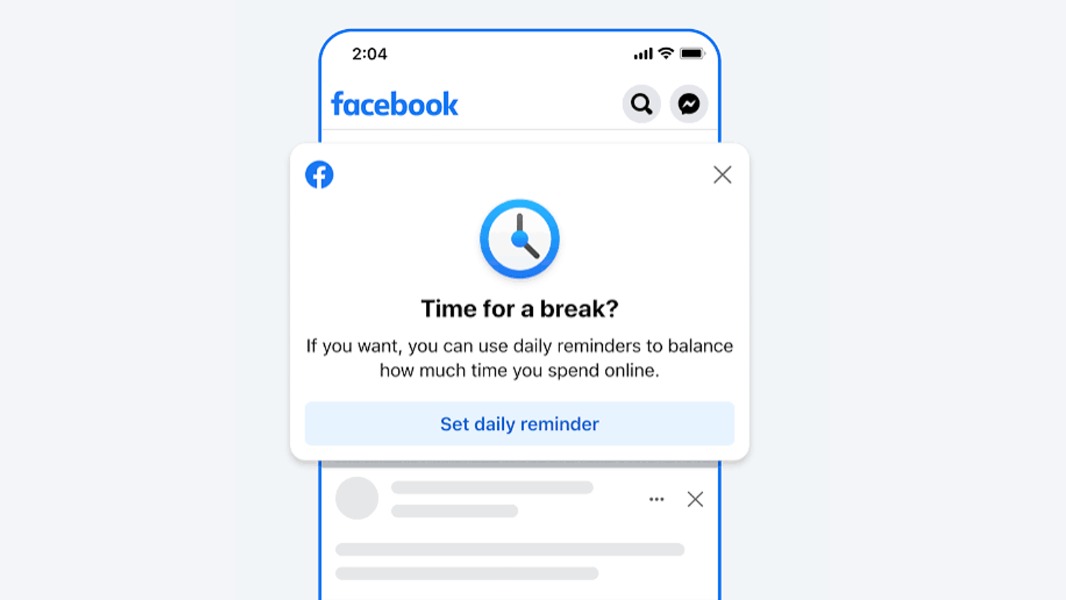
To align with the Digital Services Act, the European Commission has signaled that Meta must fundamentally alter the architecture of its platforms. Suggested remedies include disabling features like infinite scroll and video autoplay by default, incorporating more robust screen-time breaks, and reconfiguring recommendation algorithms to prioritize content that is less centered on maximizing user engagement.
Regulators expressed skepticism regarding the efficacy of Meta's existing safety tools. While the company provides time management settings and parental controls, officials noted that these features can be easily dismissed
by users. the Commission argued that current parental control systems are impractical for many families, as they require a level of technical expertise, time, and effort that many parents may not possess.
Meta’s Response and Ongoing Friction
Meta has pushed back against these findings, asserting that the Commission has failed to acknowledge measures already implemented to safeguard younger users. In a statement, the company highlighted the introduction of Teen Accounts
, which provide parents with the ability to cap daily usage at 15 minutes and restrict access during nighttime hours. Ben Walters, a spokesperson for the company, stated:
"We disagree with these preliminary findings, which don’t accurately take into account the significant steps we’ve taken to protect teens. Since this investigation began, we rolled out 'Teen Accounts' that automatically protect teens and put parents in control – allowing them to block access to Instagram at night and cap daily screen time at just 15 minutes."
Henna Virkkunen, an executive vice-president at the Commission overseeing tech policy, emphasized that protecting the physical and mental health of Europeans must be a priority for social media platforms. While Meta maintains that it continues to engage constructively
with the Commission, the company faces potential financial penalties of up to 6% of its global annual turnover if it fails to satisfy regulators during the upcoming defense phase of the investigation.
Context of the Investigation
The investigation, launched in May 2024, is part of a broader crackdown on large online platforms. Beyond addictive design, the Commission is concurrently examining whether Meta adequately restricts access for children under the age of 13 and is investigating the prevalence of rabbit hole
effects, where users are fed increasingly negative content related to body image and other sensitive topics. These charges follow similar preliminary findings issued by the Commission regarding TikTok earlier this year.
What to Watch Next
- Defense Proceedings: Meta has been granted the opportunity to review the Commission’s investigation files and present a formal defense before any final non-compliance decision is reached.
- Policy Developments: The upcoming report from the special panel on child safety online may influence the broader regulatory trajectory for social media platforms across the European Union.
How significant is this development?
Contribute your assessment to the aggregated reader sentiment ledger.
Frequently Asked Questions
Key questions answered in this reportWhat is the key development in: EU demands Meta dismantle design features it calls addictive for users?
EU regulators have formally accused Meta of using design mechanics like infinite scroll and autoplay, threatening penalties of up to 6% of global turnover. The action marks an escalation in the enforcement of the Digital Services Act regarding user mental and physical health.
Why is this Business development significant for the UK?
This report covers critical events in our Business beat. Independent reporting monitors related UK statements, regulatory shifts, and public responses as further verified details emerge.
How was this reporting corroborated and verified?
Newsarchy UK compiles and cross-references reporting from primary reporting from apnews.com and cross-checked wire reports. All coverage adheres to published editorial standards.
When was this report published?
This briefing was published on July 11, 2026 and is permanently cataloged in the Newsarchy UK Business archives.