US demands Iran guarantee Strait of Hormuz is open and stop attacks
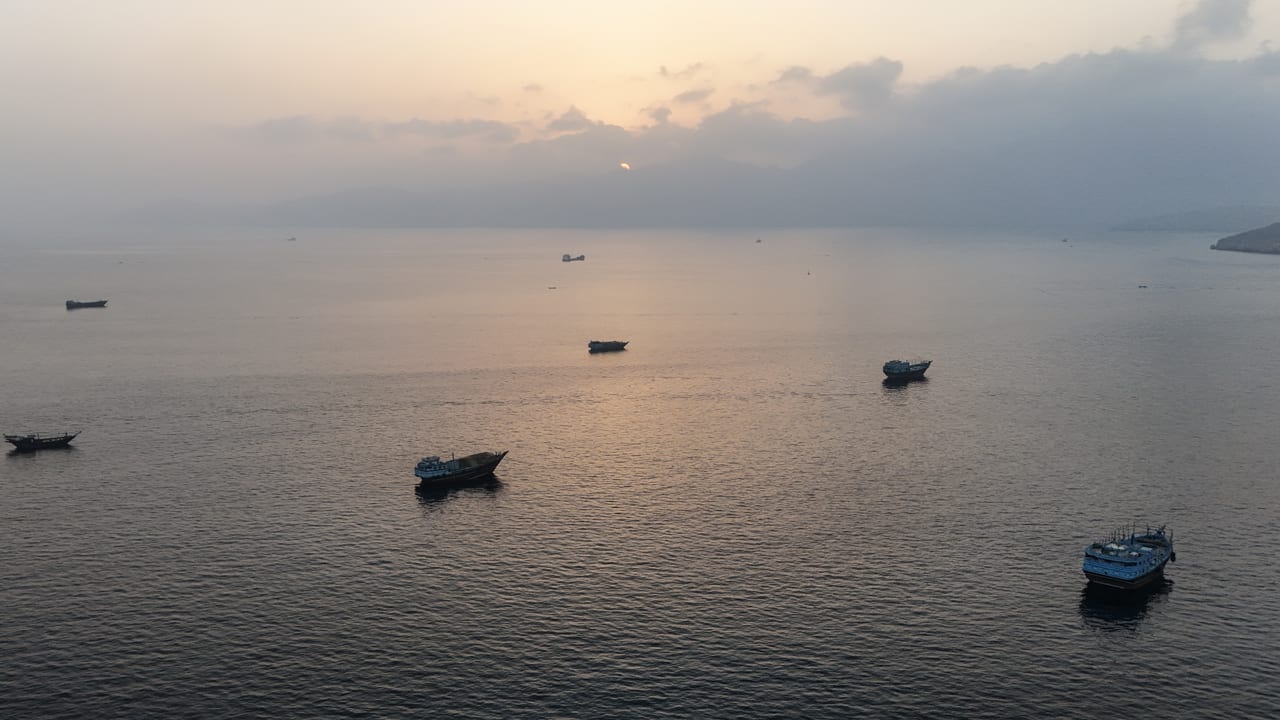
Following the dissolution of an interim ceasefire, the U.S. has demanded that Iran guarantee the Strait of Hormuz remains open and halt all attacks on vessels.
- Core Development: Following the dissolution of an interim ceasefire, the U.S. has demanded that Iran guarantee the Strait of Hormuz remains open and halt all attacks on vessels.
- Beat Context: Categorized under World with independent corroboration.
- Reporting Depth: 3 minute analytical read synthesized from verified newsroom sources.
The United States has issued a demand to Iran, insisting that the government in Tehran publicly declare the Strait of Hormuz is open and that it will cease all future attacks on vessels navigating the vital maritime corridor. This ultimatum, reported by senior American officials on Friday, 10 July 2026, marks a volatile escalation in the regional conflict following the dissolution of an interim ceasefire.
President Trump confirmed via social media on 10 July 2026 that the ceasefire agreement with Iran is OVER!
despite ongoing efforts to maintain diplomatic communication. While the administration continues to engage in talks, officials indicated that the president has provided negotiators with a limited window to secure a resolution, maintaining that the U.S. Retains a variety of military options should those discussions fail.
Media additions

The strategic tension surrounding the strait—a critical artery for international energy markets—has been exacerbated by deep-seated political instability within Iran. According to U.S. Officials, the recent resumption of hostilities is likely driven by rogue hard-line factions within Tehran who seek to undermine the diplomatic process. This internal volatility intensified following the deaths of longtime leader Ayatollah Ali Khamenei during U.S. And Israeli military strikes earlier in the war.
Tehran has adopted a sharply defiant stance in response to the U.S. Demands. Speaking outside the United Nations Security Council, Iranian Ambassador Amir Saeid Iravani asserted that any activity regarding the status or demining of the strait rests exclusively with Iran.
Iravani further warned that interference by external actors would violate previous agreements, potentially delaying the restoration of commercial navigation and increasing regional instability.
The disagreement over the waterway is compounded by competing visions of maritime authority. While the global community has historically viewed the strait as an international waterway, Iranian leadership has suggested that it should be under their sole control and that vessels may be required to pay transit fees to Tehran. This posture arrives at a precarious moment for the region, as Iran recently launched a series of retaliatory attacks across the Middle East, striking targets in Jordan, Bahrain, Kuwait, and Qatar in response to recent airstrikes against Iranian territory.
The diplomatic effort to stabilize the situation involves multiple regional intermediaries. Pakistani Prime Minister Shehbaz Sharif held separate calls with Iranian President Masoud Pezeshkian and the Emir of Qatar, urging both sides to practice restraint. Additionally, Iranian Foreign Minister Abbas Araghchi plans to discuss the status of the strait with his Omani counterpart on Saturday in Oman. Turkish Foreign Minister Hakan Fidan expressed optimism that a solution could be reached between Iran and Oman, which share the coastline of the waterway, during the coming days.
Beyond the immediate shipping concerns, the U.S. Has placed specific conditions on any future nuclear negotiations. Officials stated that any prospective deal requires Tehran to relinquish its stockpile of highly enriched uranium. They emphasized that Washington would not reach a broader nuclear agreement until Iran adheres to ceasefire terms and halts attacks on maritime traffic. Should these conditions not be met, the U.S. Has threatened military action to ensure that Iran’s nuclear material remains permanently inaccessible.
Recent Developments in the Iran-U.S. Conflict
- Ceasefire Status: The U.S. Formally declared the interim ceasefire with Iran to be dissolved as of 10 July 2026.
- Diplomatic Stance: Tehran maintains that sovereignty over the Strait of Hormuz is exclusive to Iran, rejecting U.S. Interference.
- Mediation Efforts: Pakistan and Oman are currently involved in diplomatic shuttle efforts to de-escalate tensions and restore maritime safety.
- Military Context: Following the death of Ayatollah Ali Khamenei, U.S. Intelligence points to a power struggle within Iranian leadership that complicates adherence to any negotiated agreement.
As the situation develops, the U.S. Continues to advise mariners to utilize a southern route through Omani territorial waters to avoid potential conflict zones. Despite the uncertainty, Captain Tim Hawkins of U.S. Central Command confirmed that American forces in the region remain prepared to execute operations as directed by the commander in chief.
How significant is this development?
Contribute your assessment to the aggregated reader sentiment ledger.
Frequently Asked Questions
Key questions answered in this reportWhat is the key development in: US demands Iran guarantee Strait of Hormuz is open and stop attacks?
Following the dissolution of an interim ceasefire, the U.S. has demanded that Iran guarantee the Strait of Hormuz remains open and halt all attacks on vessels.
Why is this World development significant for the UK?
This report covers critical events in our World beat. Independent reporting monitors related UK statements, regulatory shifts, and public responses as further verified details emerge.
How was this reporting corroborated and verified?
Newsarchy UK compiles and cross-references reporting from primary reporting from bostonglobe.com and cross-checked wire reports. All coverage adheres to published editorial standards.
When was this report published?
This briefing was published on July 11, 2026 and is permanently cataloged in the Newsarchy UK World archives.