US continues Iran negotiations despite declared end to ceasefire
The Trump administration is pursuing private diplomatic channels with Tehran following recent military tensions while demanding public accountability for maritime attacks.
- Core Development: The Trump administration is pursuing private diplomatic channels with Tehran following recent military tensions while demanding public accountability for maritime attacks.
- Beat Context: Categorized under World with independent corroboration.
- Reporting Depth: 3 minute analytical read synthesized from verified newsroom sources.
The diplomatic efforts to salvage a fragile peace between Washington and Tehran are continuing despite the official end of a short-lived ceasefire. While President Trump has publicly declared the agreement OVER
following a week of heavy military exchanges, his administration remains engaged in indirect communications with Iranian representatives through international mediators.
The current impasse follows a surge of violence in the Strait of Hormuz, where Iranian forces fired upon three commercial vessels earlier this week. According to senior U.S. Officials, Iranian representatives have privately informed Trump’s team that the attacks were a mistake
committed by an errant
faction of hardliners operating within their own military structure. This communication, reported by CBS News, was offered alongside assurances that Tehran wishes to maintain the diplomatic channel.
Media additions
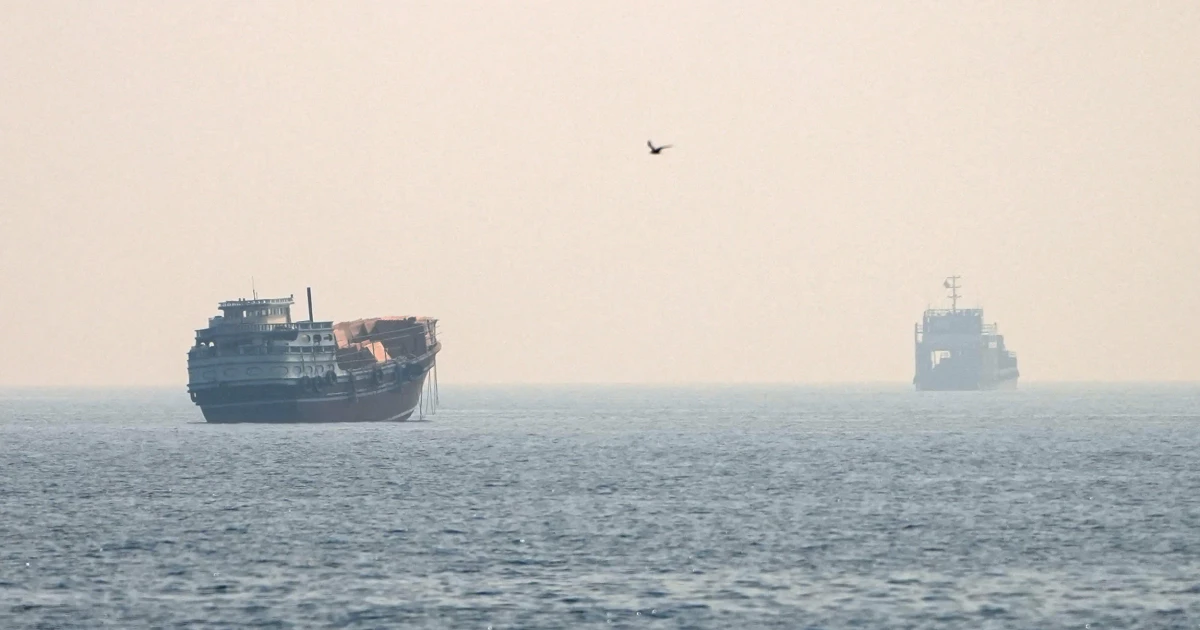
The White House has not accepted these private explanations as sufficient. The Trump administration is pushing for a public admission of fault, viewing the targeting of civilian vessels as a direct violation of the memorandum of understanding that had been in place for less than three weeks. Washington maintains that military and economic leverage remains on the table should hostile acts persist.
Ongoing Mediation and Diplomacy
The U.S. Negotiating team, directed by the president, includes Vice President JD Vance, Jared Kushner, Secretary of State Marco Rubio, and special envoy Steve Witkoff. Mediators from Qatar have traveled to Mashhad to stabilize the dialogue, and discussions are scheduled to take place in Oman on Saturday regarding the regulation of shipping lanes. These lanes have become a primary point of friction, as the U.S. Opposes Iranian attempts to charge transit fees or divert traffic into waters under their direct control.
Regional Escalation
The volatility is not confined to the Persian Gulf. In Lebanon, local media reported that a man was killed Friday by an Israeli drone strike near Nabatieh. The Israeli military stated it targeted a Hezbollah operative positioned near underground infrastructure within their declared security zone. These actions continue despite the existence of a separate U.S.-brokered ceasefire, which Tehran has previously cited as a point of contention, claiming the continued presence of Israeli forces constitutes a breach of the broader regional agreement.
Simultaneously, the U.S. Treasury Department announced new sanctions on Friday targeting a Dubai-based financier and associated exchange houses, accusing them of diverting public wealth to support the Islamic Revolutionary Guard Corps and Iran's leadership. This move follows extensive U.S. Military strikes earlier in the week that reportedly hit 90 targets, including infrastructure and railway links connecting Tehran to Mashhad.
Market and Operational Impact
The return to active conflict has introduced immediate instability for the global maritime industry. While Maersk announced it would restore service via the Suez Canal—a route previously abandoned due to regional threats—shipping through the Strait of Hormuz has reached its lowest daily volume since late June. The financial impact is also visible at the retail level, as gasoline prices have begun to climb again, reversing a recent trend that saw costs dip during the initial weeks of the ceasefire.
What to watch next:
- Saturday Talks: Iranian officials are expected to meet in Oman to discuss the status of shipping in the Strait of Hormuz.
- Public Acknowledgments: The U.S. Demand for a public apology from Tehran regarding the ship attacks remains a condition for de-escalation.
- Infrastructure Security: Iranian leadership, specifically through the head of its security body, has threatened retaliation against infrastructure sites, including potential strikes against Israel, if attacked again.
Despite the White House's rhetoric that the ceasefire is over, the persistence of the diplomatic track suggests that both parties are currently seeking to avoid an unchecked descent into full-scale war, even as they trade military strikes and economic penalties.
How significant is this development?
Contribute your assessment to the aggregated reader sentiment ledger.
Frequently Asked Questions
Key questions answered in this reportWhat is the key development in: US continues Iran negotiations despite declared end to ceasefire?
The Trump administration is pursuing private diplomatic channels with Tehran following recent military tensions while demanding public accountability for maritime attacks.
Why is this World development significant for the UK?
This report covers critical events in our World beat. Independent reporting monitors related UK statements, regulatory shifts, and public responses as further verified details emerge.
How was this reporting corroborated and verified?
Newsarchy UK compiles and cross-references reporting from primary reporting from cbsnews.com and cross-checked wire reports. All coverage adheres to published editorial standards.
When was this report published?
This briefing was published on July 11, 2026 and is permanently cataloged in the Newsarchy UK World archives.