FDA approves Lipfendra as first oral PCSK9 inhibitor for high cholesterol
Merck’s Lipfendra has received FDA approval as the first oral PCSK9 inhibitor, offering a daily pill option to help lower LDL cholesterol levels.

The United States Food and Drug Administration has granted approval to Lipfendra, an oral medication designed to lower low-density lipoprotein (LDL), or “bad” cholesterol. This decision introduces the first daily pill capable of inhibiting the PCSK9 protein, a biological mechanism previously accessible only through injectable therapies.
The approval marks a strategic expansion for the manufacturer, Merck, which faces future patent expirations for its primary oncology treatment, Keytruda, in 2028. Lipfendra, formerly known as enlicitide, received its regulatory clearance via a priority review process that utilized a voucher program intended to expedite medicines deemed vital to public health or national security. The FDA’s official statement focused on the agency's review of the drug’s effectiveness as an add-on to diet and other therapies in adults with high cholesterol, including inherited forms of the condition.
Media additions

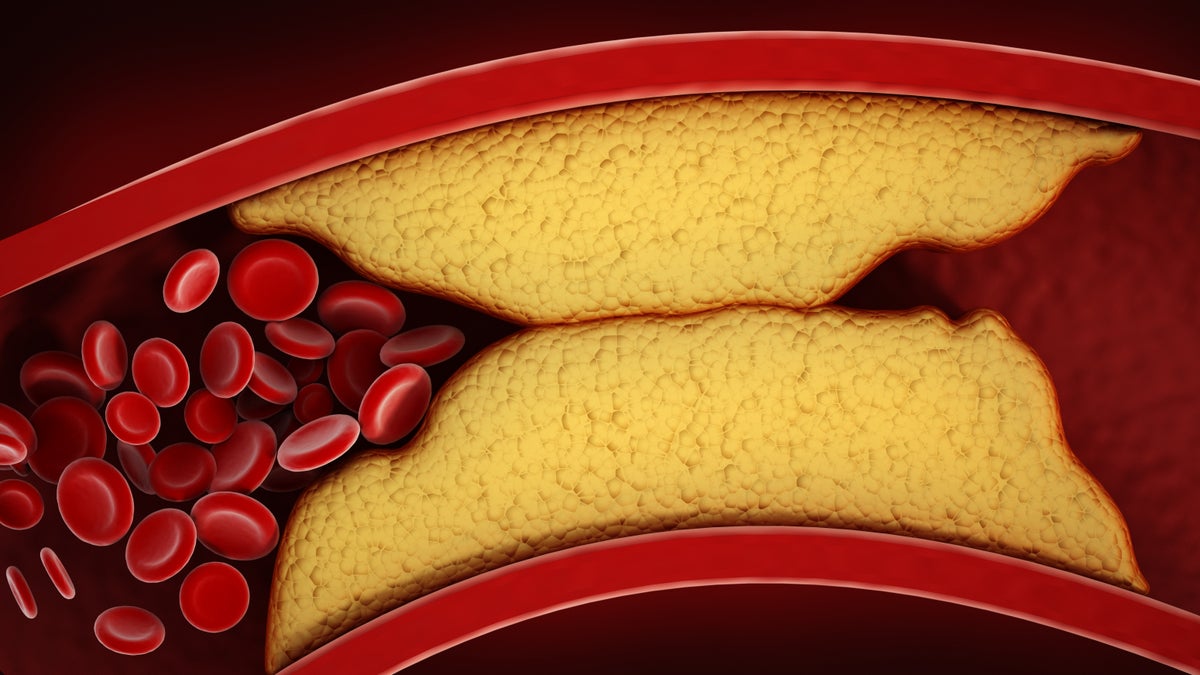

Mechanism and Clinical Performance
Lipfendra functions by targeting the PCSK9 protein produced by the liver. In the human body, this protein limits the ability of the liver to clear LDL cholesterol from the bloodstream by preventing the recycling of LDL receptors. By blocking PCSK9, the medication facilitates the removal of cholesterol. This differs from statins, which operate by blocking an enzyme the liver uses to produce cholesterol in the first place.
Clinical evidence supporting the approval included two phase three trials, CORALreef Lipids and CORALreef HeFH. According to trial results, participants who were already utilizing statin therapy saw their LDL cholesterol levels drop by a placebo-adjusted 56% to 60% after 24 weeks. The medication also demonstrated efficacy in reducing other cardiovascular markers, including non-HDL cholesterol and apolipoprotein B. Many patients in these studies were able to achieve LDL levels of 50 or below, levels that exceed current clinical targets set by the American Heart Association and the American College of Cardiology, which recommend targets below 70 for patients at risk of heart attack or stroke, and below 55 for those at the highest risk.
Market Landscape and Pricing
While the cholesterol-lowering market has long been dominated by injectable PCSK9 inhibitors, such as Amgen’s Repatha and the Regeneron-Sanofi drug Praluent, these agents have faced challenges regarding widespread adoption due to their delivery method and cost. Merck executives and medical analysts suggest that the oral nature of Lipfendra may resolve patient hesitance related to injections, with some analysts noting that physicians may view the oral and injectable options as interchangeable.
Merck has set the list price for Lipfendra at $315 for a 30-day supply. This figure represents a discount compared to the monthly costs associated with injectable PCSK9 inhibitors, which typically range from $500 to $600, or branded statins, which can cost between $400 and $600. Despite the lower list price, financial analysts note that the ultimate "net" price—what patients and insurers pay after manufacturer rebates—remains a subject of ongoing calculation.
| Factor | Lipfendra (Oral) | Injectable PCSK9 Inhibitors |
|---|---|---|
| Delivery | Daily Tablet | Injection |
| List Price (30-day) | $315 | $500 – $600 |
Ongoing Research and Next Steps
Despite the current approval, a definitive link between the use of Lipfendra and a reduction in clinical events, such as heart attacks, strokes, or cardiovascular mortality, has not yet been established. Merck is currently conducting a large-scale clinical trial to determine if the drug effectively prevents these outcomes. Results from this study are anticipated in 2029.
The medical community continues to monitor the medication's safety profile. In clinical trials, the drug was generally well-tolerated. Reported side effects included diarrhea and dizziness, occurring at rates comparable to those observed in placebo groups. As the drug enters the market, practitioners are evaluating its role as an add-on therapy for patients who cannot reach their cholesterol goals through diet, exercise, and statin use alone. In the CORALreef HeFH trial, diarrhea was reported by 7% of users compared to 2% in the placebo group, while dizziness was reported by 9% of users compared to 4% in the placebo group.
What to watch next:
- Evolution of insurance coverage policies and reimbursement strategies as pharmacies begin to stock the medication.
- Publication of long-term data regarding the drug's impact on heart attack and stroke prevention, expected in 2029.

