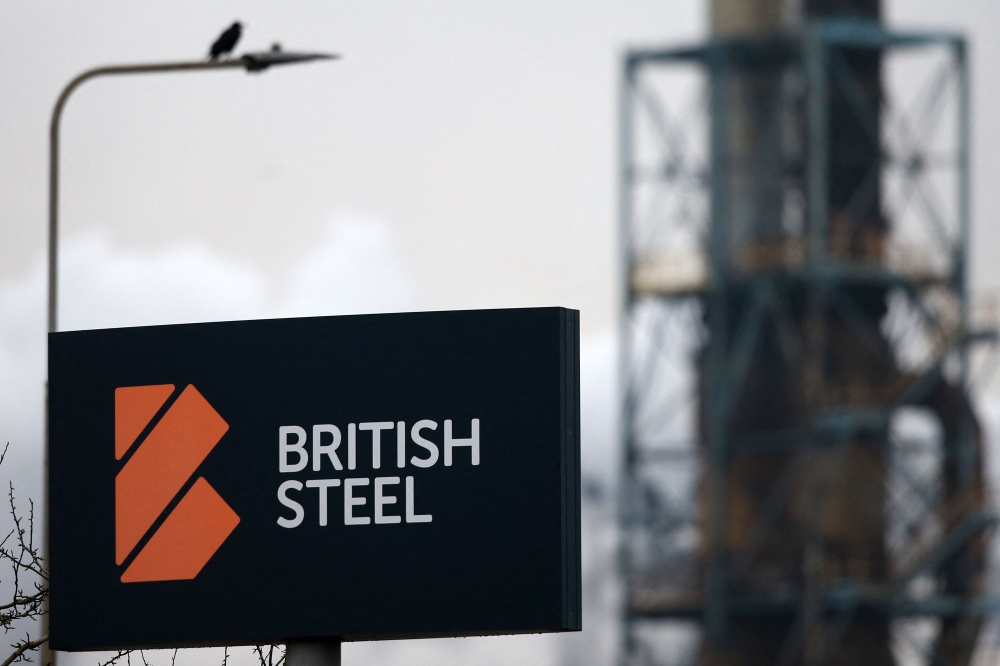
British Steel brought into public ownership to secure UK supply chain
The UK government has officially transitioned British Steel into public ownership to protect the nation's last virgin steel facility and secure essential infrastructure supply chains.
British Steel brought into public ownership to secure UK supply chain
EXECUTIVE BRIEFKey Takeaways & Signal
Core Development: The UK government has officially transitioned British Steel into public ownership to protect the nation's last virgin steel facility and secure essential infrastructure supply chains.
Beat Context: Categorized under Business with independent corroboration.
The United Kingdom government formally transitioned British Steel into public ownership on Thursday, 16 July 2026. This move, which followed the passage of the Steel Industry (Nationalisation) Act on Wednesday, signals a definitive end to the company’s period of private ownership under the Chinese firm Jingye Group.
The state intervention is framed by officials as a necessary step to protect the nation's last remaining facility capable of producing virgin steel from iron ore. Based in Scunthorpe, the plant had faced intense uncertainty over its viability since the government first intervened in April 2025 to prevent the closure of the site's final two blast furnaces. Prime Minister Sir Keir Starmer emphasized the strategic importance of the takeover, noting,
"British Steel is part of the fabric of our nation and a cornerstone of Britain's industrial strength. Today’s decision secures the future of steel making in the UK, protects skilled jobs and safeguards a vital national capability."
Media additions
Image via thepeninsulaqatar.comImage via theguardian.com
Addressing a Strategic Vulnerability
The decision to nationalise was driven by concerns that the loss of primary steel production would leave the UK uniquely vulnerable among G7 economies. Business Secretary Peter Kyle noted that the government had moved to prevent a disorderly closure that would have rendered the UK entirely dependent on global supply chains for the materials essential to domestic construction, railways, and national defense. According to the Department for Business and Trade, the Steel Act provides powers to nationalise steel companies where it is deemed necessary in the public interest to protect foundation industries.
The transition follows a period of government control that began in April 2025, when officials seized the operation to prevent the shutdown of furnaces. The government stated that despite extensive discussions, it could not reach a deal with Jingye that would secure the future of the company while delivering value for taxpayers. The government will now appoint an independent valuer to assess whether any compensation is payable to the previous owners. While Jingye has argued in company accounts and via social media that the business holds value, the government has expressed skepticism, particularly given that the firm had previously expressed a willingness to walk away and allow the site to fail.
Financial pressures remain significant. According to the National Audit Office, the Scunthorpe works had been costing the government roughly £1.3m per day by March of this year. Jingye had previously claimed the business was losing £700,000 a day. Simon Boyd, managing director of Reid Steel, described the government intervention as necessary, noting that while the state will need to invest heavily and will not see a return for 10-20 years, it was essential for the country to maintain the facility.
A Road to Decarbonisation
While the immediate focus remains on stabilizing operations, the long-term future of the site is subject to a technological transition. Business Secretary Peter Kyle confirmed that the government intends to transition the plant toward green steel production. Industry experts suggest the current, ageing blast furnaces will eventually need to be replaced by electric arc furnaces, a decarbonisation project expected to carry costs exceeding a billion pounds.
The move has been welcomed by labour unions, who view the nationalisation as a lifeline for thousands of jobs in north Lincolnshire. Alasdair McDiarmid, assistant general secretary for Community, described the union as incredibly grateful for the intervention, which he said ensures the UK retains the ability to produce steel critical to national security.
Gareth Stace, director-general of UK Steel, noted that British Steel is the only producer of long products such as rails or girders in the UK. Stace called the nationalisation the right move while emphasizing that the incoming administration must now deliver a plan to restore the firm to commercial sustainability.
What to Watch Next
Leadership Transition: The government changeover expected next week will see the incoming administration assume the management of the newly public entity.
Compensation Disputes: The independent assessment process will determine if Jingye receives payment for the assets.
Investment Strategy: The next government must establish a decarbonisation plan to replace ageing blast furnaces with modern, low-carbon alternatives.
Industrial Stability: The impact on the wider supply chain, including companies relying on domestic long products for infrastructure projects, remains a primary indicator for the success of the nationalisation.
READER INTELLIGENCE PULSE
How significant is this development?
Contribute your assessment to the aggregated reader sentiment ledger.
Click an option to register your anonymous assessment.
Frequently Asked Questions
Key questions answered in this report
What is the key development in: British Steel brought into public ownership to secure UK supply chain?
The UK government has officially transitioned British Steel into public ownership to protect the nation's last virgin steel facility and secure essential infrastructure supply chains.
Why is this Business development significant for the UK?
This report covers critical events in our Business beat. Independent reporting monitors related UK statements, regulatory shifts, and public responses as further verified details emerge.
How was this reporting corroborated and verified?
Newsarchy UK compiles and cross-references reporting from primary reporting from theguardian.com and cross-checked wire reports. All coverage adheres to published editorial standards.
When was this report published?
This briefing was published on July 16, 2026 and is permanently cataloged in the Newsarchy UK Business archives.