Myanmar boat sinkings leave over 500 Rohingya refugees feared dead
UN agencies are reporting that more than 500 Rohingya refugees are feared dead following two maritime disasters involving vessels departing from Rakhine state.
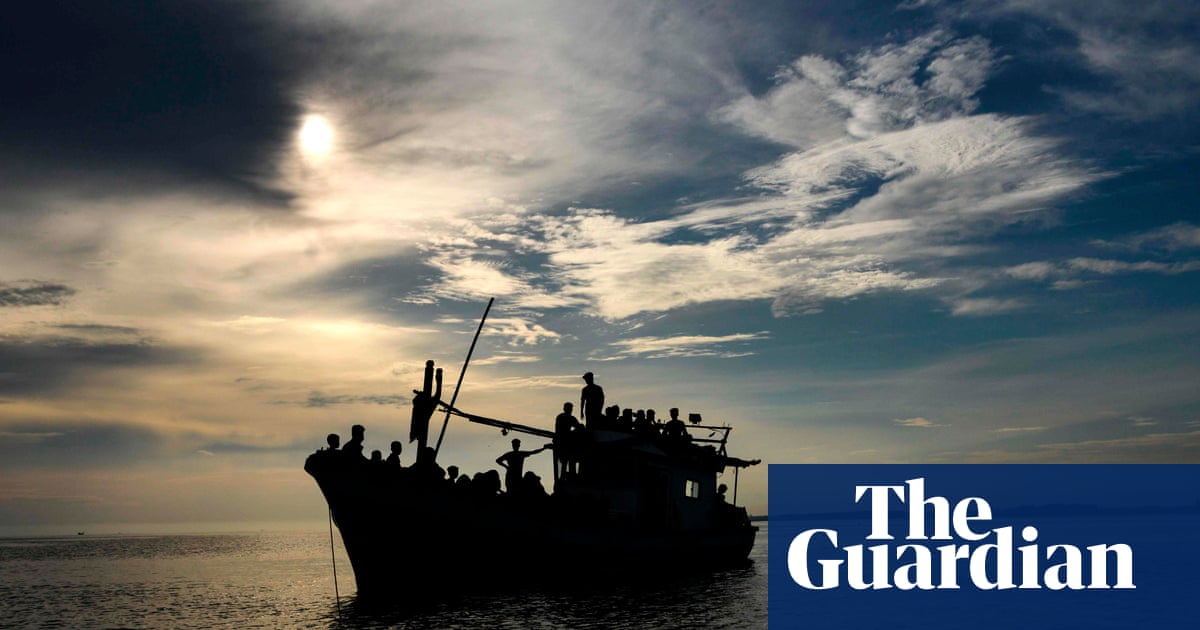
More than 500 Rohingya refugees are feared dead following reports of two maritime disasters off the coast of Myanmar, according to a joint statement released on Thursday, 16 July 2026, by the United Nations High Commissioner for Refugees and the International Organization for Migration. The incidents involve vessels that departed from Rakhine state in late June, marking a grim development in the regional humanitarian crisis.
The first vessel, estimated to be carrying 250 individuals, reportedly lost contact shortly after departure. The second vessel, believed to be carrying 280 people, is thought to have sunk off the Ayeyarwady coast on 8 July. While authorities have yet to formally confirm the casualties, the UN agencies have expressed deep alarm regarding the potential loss of life.
Media additions
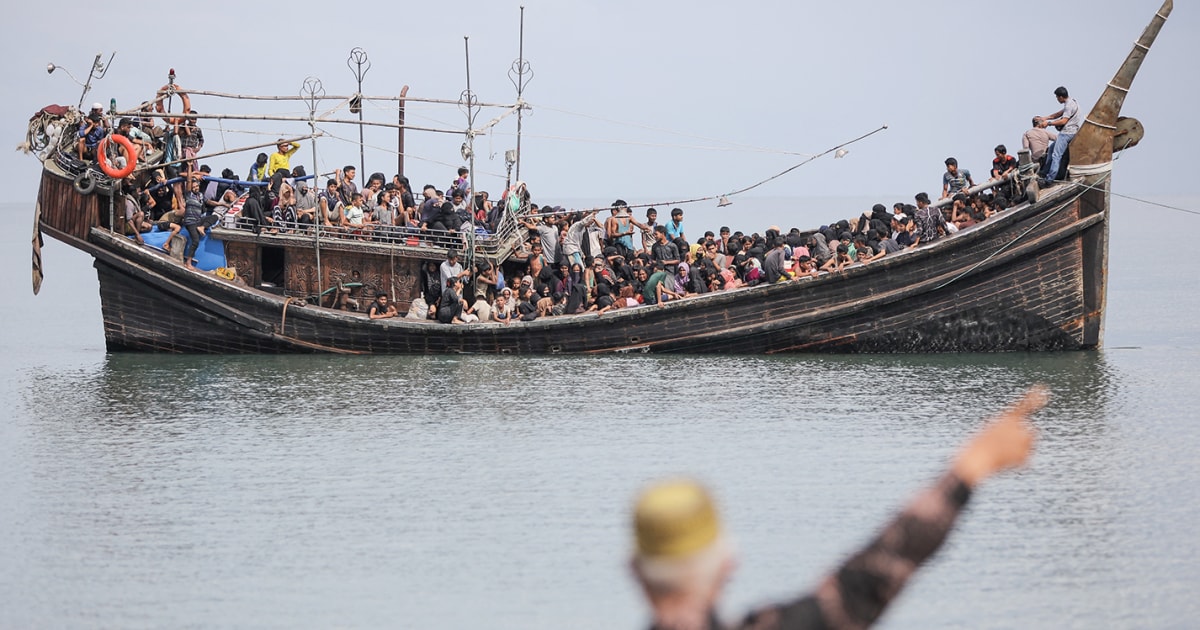

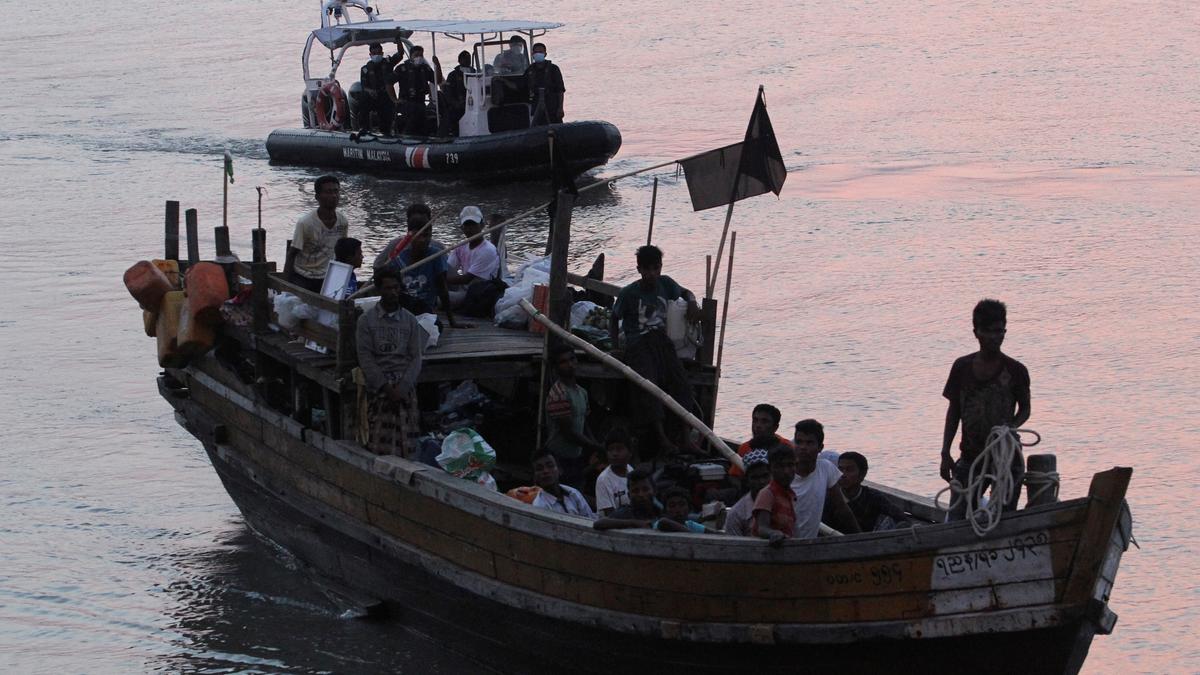
Context of the Perilous Journeys
The refugees involved in these incidents include individuals fleeing the conflict-hit Rakhine state as well as some who had travelled from the refugee camps in Cox’s Bazar, Bangladesh. These camps currently host more than a million Rohingya who have fled successive waves of violence in Myanmar. The UN agencies highlighted that these journeys were attempted outside the regular sailing season, a period when maritime conditions are typically more hazardous. Torrential rain and regional flooding have further increased the risks associated with such sea movements.
The UN agencies noted that the latest reported tragedies reflect the desperation of the Rohingya, who face limited aid in host countries and ongoing systemic violence in their homeland. The military government currently in power in Myanmar remains the same entity that carried out a 2017 crackdown against the Rohingya, which has been described by the United States as genocide. Recent reports indicate that the Rohingya remaining in Myanmar face severe restrictions and are often confined to internment camps, while fighting between the ruling military and ethnic armed organizations continues to destabilize the Rakhine region.
Regional and International Response
The UN agencies have called for intensified international cooperation to address the humanitarian crisis.
"Stronger regional and international efforts are needed to prevent further loss of life along one of the world’s deadliest maritime routes, including through enhanced search and rescue efforts, access to asylum and protection, and actions against smuggling and trafficking networks."
UNHCR and IOM via Joint Statement
While the agencies commended Bangladesh for its long-standing efforts in hosting the displaced population, they emphasized that the reliance on dangerous, trafficking-led sea routes is a direct consequence of a lack of sustainable solutions. According to UNHCR, nearly 900 Rohingya refugees were reported missing or dead at sea in the northern Indian Ocean during 2025, out of more than 6,500 who attempted such crossings. Data from the agencies indicates that nearly 300 refugees and migrants had already been reported missing or dead in the Andaman Sea and Bay of Bengal throughout 2026 prior to these latest incidents.
To date, official engagement with the news remains limited. Soe Lin Aung, acting police brigadier general and spokesperson for Myanmar's Ministry of Home Affairs, declined to comment on the incidents. Representatives for the president of Myanmar and the regional government in Ayeyarwady did not respond to inquiries. International observers warn that local maritime authorities in the region have frequently abandoned the Rohingya at sea, often ignoring reports of boats in distress.
As of 16 July 2026, the status of the missing passengers remains unconfirmed, and humanitarian groups are urging regional governments to bolster search and rescue capabilities to address the increasing mortality rates on these maritime routes.


