Average age of first-time homebuyers hits record high of 40
The average age of a first-time homebuyer has climbed to a record 40 as high mortgage rates and home prices push homeownership further out of reach.

- Core Development: The average age of a first-time homebuyer has climbed to a record 40 as high mortgage rates and home prices push homeownership further out of reach.
- Beat Context: Categorized under Business with independent corroboration.
- Reporting Depth: 3 minute analytical read synthesized from verified newsroom sources.
The milestone of homeownership, once considered a standard marker of adulthood in the United States, has drifted significantly further out of reach for younger generations. The average age of first-time home ownership has now jumped to a record of 40 years old, with high mortgage rates and soaring prices to blame, according to the National Association of Realtors. This shift marks a stark departure from the historical baseline; when the survey was first conducted in 1981, the median age was 29. In comparison, about four years ago, the average age was just 33.
This delay in market entry coincides with a contraction in overall homebuyer participation. The share of first-time homebuyers sank to an all-time low of 24%, according to the National Association of Realtors. Industry experts attribute these trends to a perfect storm
of economic pressures, including persistent inflation, elevated housing costs, and mortgage rate volatility. Americans today need to earn about 70% more than they did six years ago to comfortably afford a median-priced home, according to Realtor’s April 2025 Monthly Housing Market Trends Report.
Media additions


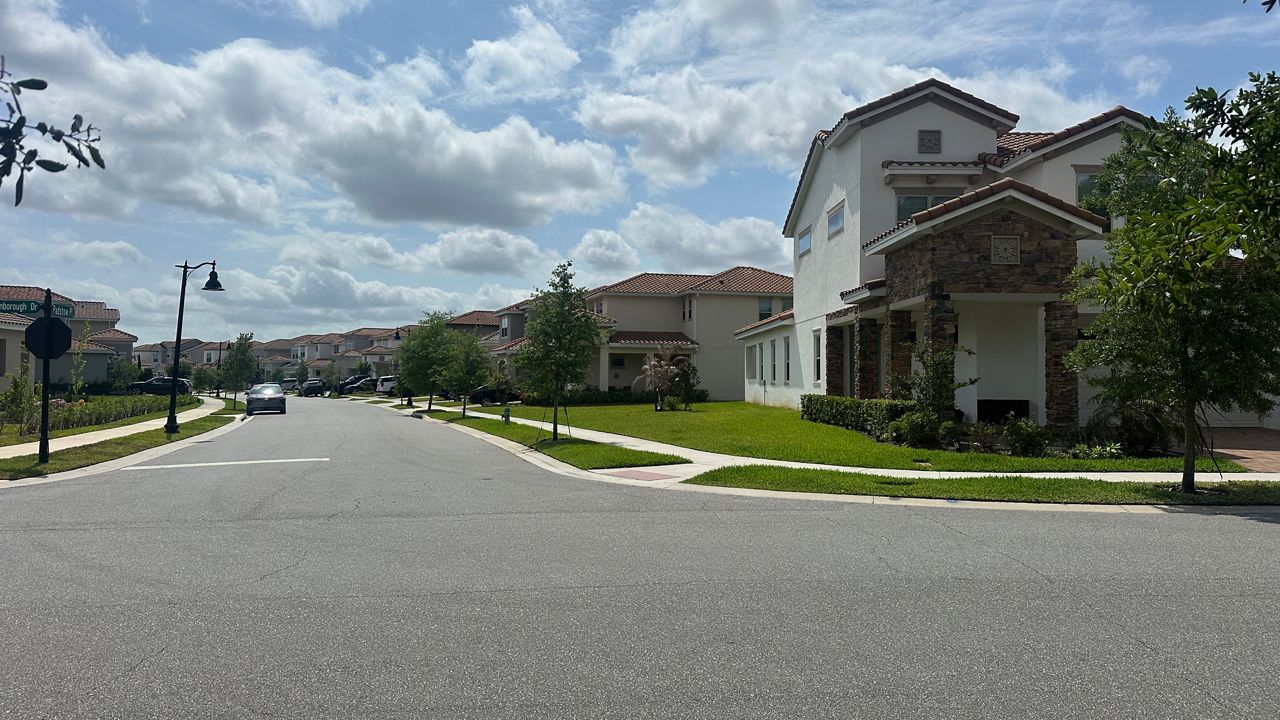
The Cost of Entry
Financial barriers have intensified as home prices have surged. The median price of an existing home is $415,200, up more than 50% since 2019. To buy a house at the national median list price of $431,250, realtor.com estimates a household needs to earn about $114,000 each year. It assumes a 30-year fixed mortgage, 20% down payment, and the buyer adhering to conventional wisdom that they should not spend more than 30% of their gross income on housing. For many younger Americans, this threshold remains inaccessible, exacerbated by a significant generational wealth disparity. Boomers are sitting on $82 trillion in wealth, and today, boomers alone are estimated to own up to $19 trillion in home-equity wealth in the U.S.
Alternative Paths and Geographic Shifts
To navigate these economic headwinds, prospective buyers are increasingly relying on unconventional strategies. Of those BMO surveyed, 60% of Gen Z and 57% of millennials who purchased homes said they couldn’t have done it without family support. Gen Z is also thinking about mortgaging their retirement, with 45% of prospective buyers planning to pull from their 401(k)s for down payments. Additionally, many are adjusting their expectations regarding property types, with more than 6 in 10 open to buying fixer-uppers.
Relocation has emerged as another primary tactic. Realtor.com analysis identified 14 of the 50 largest metropolitan areas where a buyer could purchase a home with an income under $100,000.
Market Dynamics and Future Outlook
By mid-April 2026, the housing market showed signs of a transition toward a more balanced environment in specific regions. In areas such as Central Florida, increased inventory has forced some sellers to adjust their price expectations. Local reports indicate that homes priced inaccurately are experiencing longer periods on the market and frequent price reductions. As of April 16, 2026, Freddie Mac reported the average 30-year fixed mortgage rate at 6.30%. Despite this, mortgage loan officers continue to caution against seeking maximum pre-approval amounts, urging prospective buyers to meet with lenders early to establish budgets based on comfort rather than capacity.
For many young adults, the definition of a successful purchase has evolved. 66% of Gen Z and 61% of millennial renters agree that buying a starter home and upgrading to a larger house a few years later "makes no sense anymore," the BMO survey found. Instead, they want to buy a home they can stay in long-term. This search for security occurs alongside broader concerns, such as climate risk, which 65% of Gen Z and 55% of millennial respondents indicated would influence their future housing decisions. As this demographic remains largely locked out of the market, the societal impact of delayed homeownership remains a point of concern for long-term wealth distribution, with some estimates suggesting the trend could cost Gen Z roughly $150,000 in lost equity.
How significant is this development?
Contribute your assessment to the aggregated reader sentiment ledger.
Frequently Asked Questions
Key questions answered in this reportWhat is the key development in: Average age of first-time homebuyers hits record high of 40?
The average age of a first-time homebuyer has climbed to a record 40 as high mortgage rates and home prices push homeownership further out of reach.
Why is this Business development significant for the UK?
This report covers critical events in our Business beat. Independent reporting monitors related UK statements, regulatory shifts, and public responses as further verified details emerge.
How was this reporting corroborated and verified?
Newsarchy UK compiles and cross-references reporting from primary reporting from usatoday.com and cross-checked wire reports. All coverage adheres to published editorial standards.
When was this report published?
This briefing was published on July 14, 2026 and is permanently cataloged in the Newsarchy UK Business archives.