UK bans support for Iran's Islamic Revolutionary Guard Corps
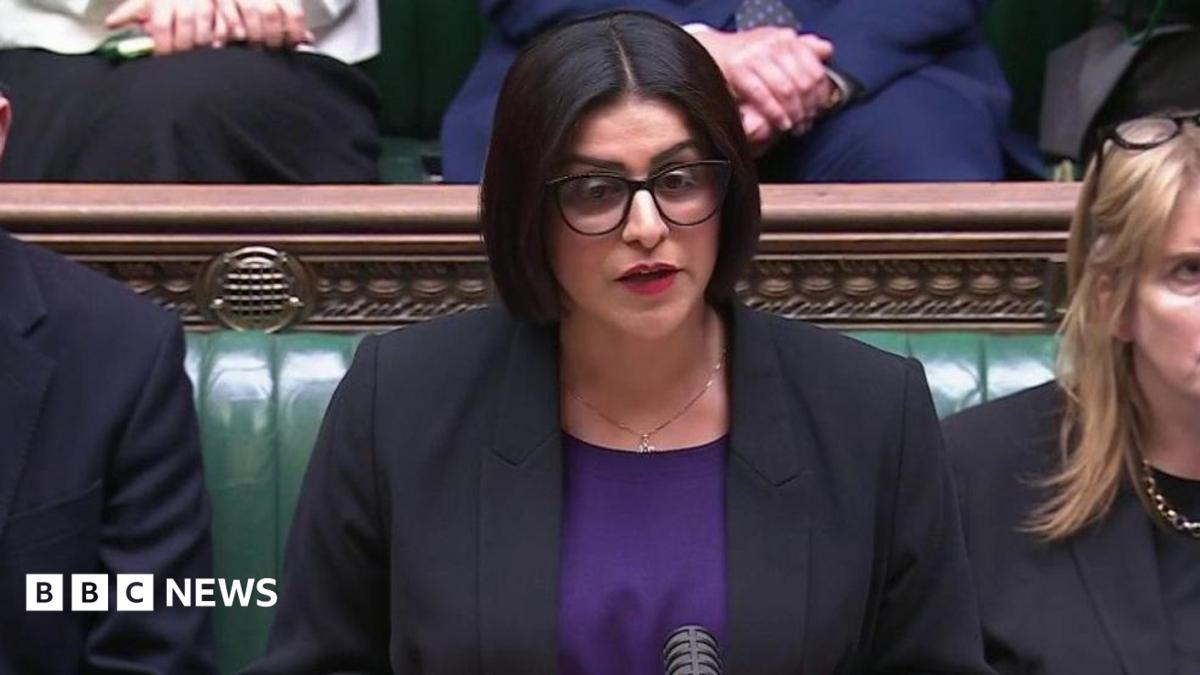
Home Secretary Shabana Mahmood announced the IRGC will be designated a national security threat, making support for the group a criminal offence. The move comes alongside new powers for authorities to tackle foreign interference and state-backed plots.
- Core Development: Home Secretary Shabana Mahmood announced the IRGC will be designated a national security threat, making support for the group a criminal offence. The move comes alongside new powers for authorities to tackle foreign interference and state-backed plots.
- Beat Context: Categorized under News with independent corroboration.
- Reporting Depth: 3 minute analytical read synthesized from verified newsroom sources.
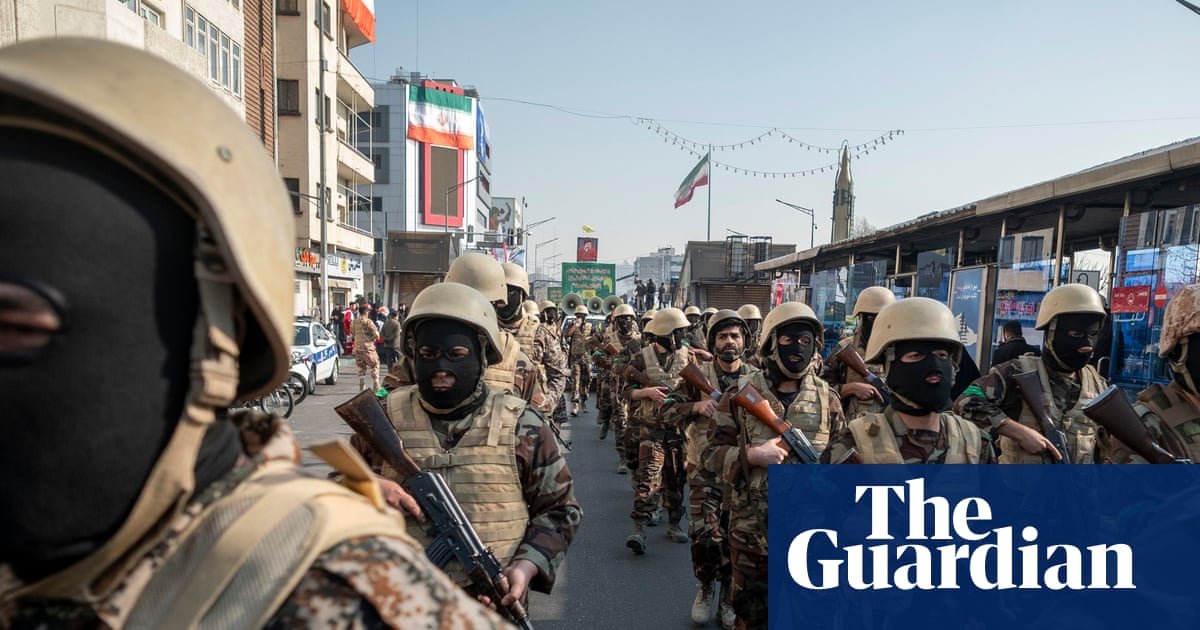
Home Secretary Shabana Mahmood has announced Iran’s Islamic Revolutionary Guard Corps (IRGC) will be designated a threat to national security. In a written statement to Parliament, she set out how support for the IRGC, from expressing a positive opinion to assisting them, will now be an offence punishable by up to 14 years in prison. The designation was announced on 13 July 2026 and will take effect once Parliament signs off later in the week.
The IRGC joins the Islamic Movement of Companions of the Right (IMCR) and the volunteer corps of Russia's GRU (foreign military intelligence agency) as the bodies to be proscribed. New powers will be given to police and intelligence agencies to tackle espionage, foreign interference, sabotage and physical attacks from these groups.
Media additions

Why the bans came now
The IMCR has claimed seven attacks at UK locations linked to Jewish and Israeli communities, including the antisemitic arson attack on four Hatzola ambulances in Golders Green on March 23, which the IMCR publicly claimed responsibility for. Security Minister Angela Eagle told Parliament that “members of Iran’s Islamic Revolutionary Guard Corps Quds Force … almost certainly directed IMCR attacks across Europe.”
MI5 identified at least 20 potentially lethal Iranian‑backed plots against people in the UK in the last year. The prime minister promised to fast-track the National Security (State Threats) Act in April this year.
"We will never let Britain be a playground for states who want to spread fear, division and violence on our streets."
Sir Keir Starmer, Prime Minister, via BBC
Starmer added that the new powers would “make it easier to prosecute and lock up anyone carrying out their dirty work here in Britain”. Mahmood echoed the sentiment, insisting that “Iran and Russia are using proxies and thugs to do their dirty work on our shores” and that she had “rapidly designated three groups so those working for them will be tracked down and put behind bars”.
Official and expert reactions
Lord Walney, a former government independent adviser on political violence and disruption, welcomed the move, but said it did not amount to “full proscription”. The Guardian noted that a full terrorist listing was rejected in 2023 over concerns about the diplomatic fallout. Foreign Secretary Yvette Cooper said she had summoned the Iranian ambassador to “condemn Iran's malign behavior”. The Government has already announced that more than £250 million is to be invested into increasing policing in Jewish communities.
How the new powers differ from previous measures
- Prosecutors will no longer need to establish a foreign power connection in every case, making it easier and more straightforward to build cases.
- If approved by Parliament later this week, those conducting acts of sabotage including arson on behalf of these groups could face life imprisonment.
Unlike earlier sanctions that targeted individuals, the proscription equips law‑enforcement agencies with “reasonable excuse” defences for journalists and NGOs who may need to engage with the groups for reporting or humanitarian purposes, a safeguard highlighted by the Middle East Eye watchdog.
Timeline of key events
| Date | Event |
|---|---|
| 23 March 2026 | Arson attack on four Hatzola ambulances in Golders Green; IMCR claims responsibility. |
| January 2026 | EU adds IRGC to its terror list following crackdowns on Iranian protesters. |
| 13 July 2026 | Home Secretary Mahmood announces IRGC, IMCR and GRU Volunteer Corps designated as threats; Parliament to vote later that week. |
By linking the IRGC’s overseas proxy network to a surge in anti‑Jewish violence and by granting authorities broader tools to disrupt foreign‑state interference, the UK aims to close a legal gap that has long hamstrung its response to state‑backed intimidation.
How significant is this development?
Contribute your assessment to the aggregated reader sentiment ledger.
Frequently Asked Questions
Key questions answered in this reportWhat is the key development in: UK bans support for Iran's Islamic Revolutionary Guard Corps?
Home Secretary Shabana Mahmood announced the IRGC will be designated a national security threat, making support for the group a criminal offence. The move comes alongside new powers for authorities to tackle foreign interference and state-backed plots.
Why is this News development significant for the UK?
This report covers critical events in our News beat. Independent reporting monitors related UK statements, regulatory shifts, and public responses as further verified details emerge.
How was this reporting corroborated and verified?
Newsarchy UK compiles and cross-references reporting from primary reporting from bbc.com and cross-checked wire reports. All coverage adheres to published editorial standards.
When was this report published?
This briefing was published on July 14, 2026 and is permanently cataloged in the Newsarchy UK News archives.