Frontier Airlines Confirms Its Final Day At New York JFK After Only 2 Years
Frontier Airlines confirmed its final day of operations at New York JFK Airport will be October 5, ending a two-year presence due to high operating costs.
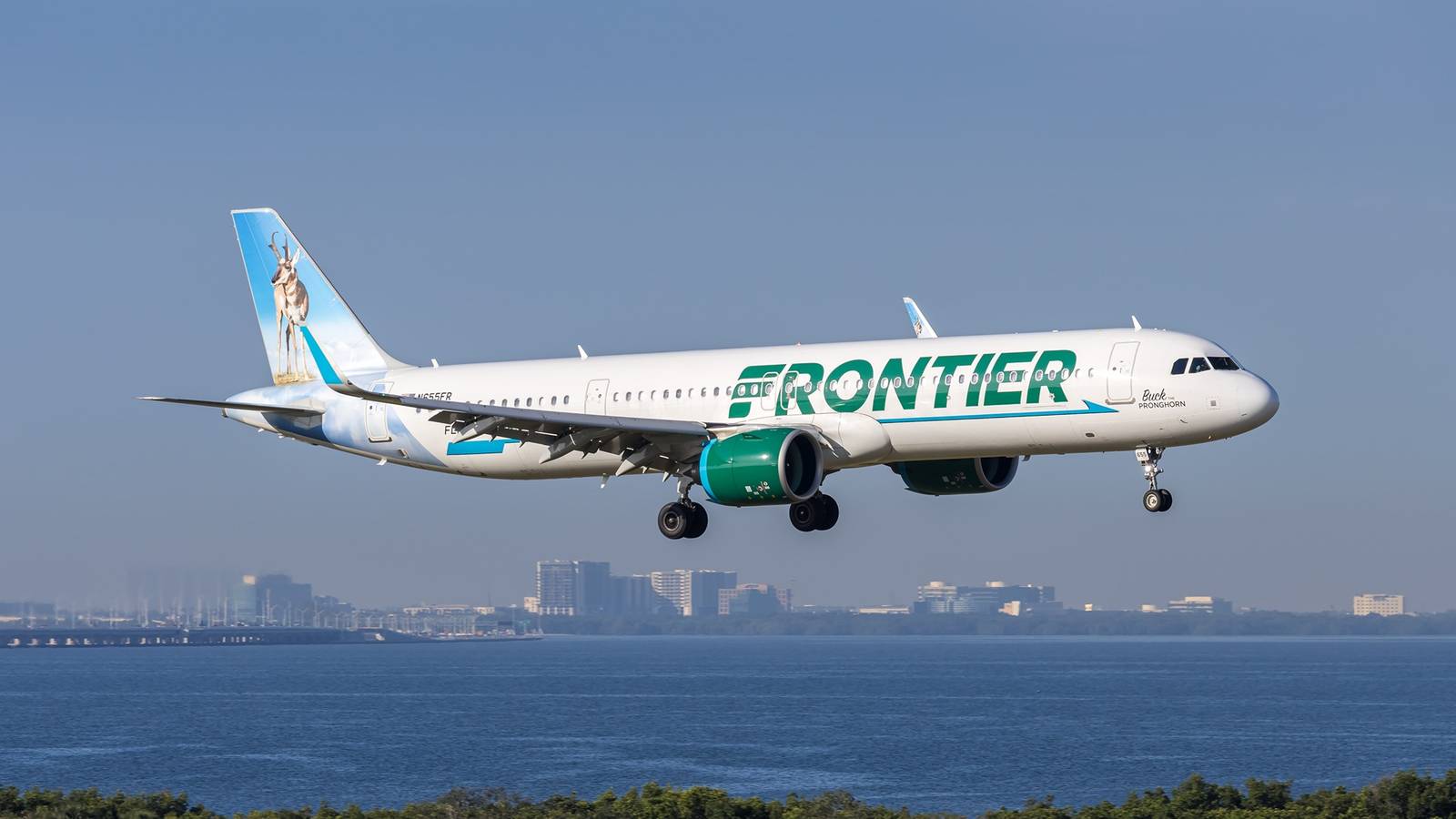
- Core Development: Frontier Airlines confirmed its final day of operations at New York JFK Airport will be October 5, ending a two-year presence due to high operating costs.
- Beat Context: Categorized under Business with independent corroboration.
- Reporting Depth: 4 minute analytical read synthesized from verified newsroom sources.
Frontier Airlines has confirmed that its final day of operations at New York JFK Airport will arrive on October 5, bringing a swift end to a two-year presence at the busy aviation hub. According to Simple Flying, the Denver-based ultra-low-cost carrier is winding down its remaining operations after cutting most of its services at the airport earlier in the year. The final departure from JFK is scheduled to fly to Atlanta, leaving Atlanta as the airline's only remaining route from the airport prior to the total shutdown.
The decision to pull out of JFK stems from a combination of high operating costs associated with the major airport and ongoing evaluations of market demand and seasonality. Aviation critics had previously suggested that operating a budget carrier out of the high-cost hub while maintaining rock-bottom ticket prices posed a structural challenge. Just last summer, Frontier maintained a roster of eight nonstop routes from JFK and was reportedly rumored to be eyeing a move into the airport's newly constructed Terminal 6. Instead, the carrier is abandoning the station entirely, though a company spokesperson noted that the exit does not rule out a potential return if future market conditions shift.
Media additions


Passengers seeking ultra-low-cost options in the New York metropolitan area will now be funneled through the region's remaining facilities. Frontier maintains an active presence at both LaGuardia Airport and Newark Liberty International Airport. From LaGuardia, the carrier serves multiple year-round and seasonal destinations, while Newark supports several year-round ultra-low-cost routes. The consolidation comes at a turbulent time for the low-cost sector. Earlier in the year, the industry was rocked by the collapse of competitor Spirit Airlines, which removed significant budget capacity from major hubs across the United States. Despite the sudden void left in the marketplace, Frontier representatives noted that the airline has not aggressively backfilled all of Spirit's former routes, though leadership continues to evaluate new network opportunities.
The contraction at JFK is part of a broader network adjustment by Frontier, which has pulled back from several regional and secondary markets amid rising operational expenses and intensifying competition from legacy carriers offering stripped-down basic economy fares. Similar strategic exits have played out across the country, reflecting a wider industry pivot toward high-traffic profitability.
| Airport / Route Area | Action Taken | Timing | Alternative Major Carriers |
|---|---|---|---|
| New York JFK (JFK) | Full station exit | October 5 | Delta, JetBlue, American, United |
| Knoxville / McGhee Tyson (TYS) | Seasonal service pause | August 17 | Allegiant, United, Southwest |
| San José, Costa Rica (SJO) | Route suspension | August 17 – October 9 | American, United, JetBlue, Delta |
| Paine Field, Everett (PAE) | Station withdrawal | January 5 | Alaska Airlines |
Industry analysts point out that the erosion of low-cost capacity has direct implications for ticket prices nationwide. According to reports cited by TravelPirates, historical data indicates that average fares can jump significantly on routes abandoned by ultra-low-cost carriers as the competitive pressure on legacy airlines disappears. Major network carriers have successfully cultivated basic economy offerings that mirror budget airline constraints, blunting the unique pricing advantage that independent low-cost operators once enjoyed.
At the same time, external economic pressures have strained airline balance sheets. Spikes in jet fuel prices have forced carriers of all sizes to reevaluate route profitability. While some travel experts suggest that government intervention or proposed rescue financing for struggling competitors could inject temporary stability into the market, others warn that increased regulatory entanglements or loans may ultimately drive fares higher for consumers.
Travelers holding tickets affected by the JFK closure or other seasonal route suspensions are advised to monitor their itineraries closely. Frontier's standard policy entitles passengers facing airline-initiated cancellations to a full refund to the original form of payment if they choose not to accept alternative rebooking options. For those planning future journeys within the business and leisure travel sectors, flexibility regarding departure airports remains essential as airlines continue to reshuffle capacity.
What happens next depends heavily on upcoming schedule filings and quarterly financial reports. As Frontier finalizes its network plans for the late autumn and winter seasons, aviation observers will be watching to see whether additional underperforming stations are trimmed or if emerging demand allows the carrier to restabilize its footprint in key metropolitan corridors.
How significant is this development?
Contribute your assessment to the aggregated reader sentiment ledger.
Frequently Asked Questions
Key questions answered in this reportWhat is the key development in: Frontier Airlines Confirms Its Final Day At New York JFK After Only 2 Years?
Frontier Airlines confirmed its final day of operations at New York JFK Airport will be October 5, ending a two-year presence due to high operating costs.
Why is this Business development significant for the UK?
This report covers critical events in our Business beat. Independent reporting monitors related UK statements, regulatory shifts, and public responses as further verified details emerge.
How was this reporting corroborated and verified?
Newsarchy UK compiles and cross-references reporting from primary reporting from Simple Flying and cross-checked wire reports. All coverage adheres to published editorial standards.
When was this report published?
This briefing was published on September 6, 2026 and is permanently cataloged in the Newsarchy UK Business archives.